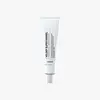
This barrier-repair moisturizer is formulated around Centella Asiatica Leaf Extract and Zinc Oxide to strengthen the skin barrier and calm redness.
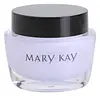
This barrier-repair moisturizer is formulated around Camellia Sinensis Extract and Sodium PCA to strengthen the skin barrier and hydrate skin.


What's inside
What's inside
 Key Ingredients
Benefits
Concerns
Ingredients Side-by-side
Centella Asiatica Leaf Extract
Skin Conditioning



Diphenylsiloxy Phenyl Trimethicone
Skin Conditioning
Cetyl Ethylhexanoate
EmollientPropylene Glycol
Humectant


Dimethicone
Emollient
Paraffinum Liquidum
Emollient


Zinc Oxide
Cosmetic Colorant


Cetyl PEG/PPG-10/1 Dimethicone
Emulsifying
Glycerin
Humectant
Bis-Diglyceryl Polyacyladipate-2
Emollient
Cyclopentasiloxane
Emollient
Caprylic/Capric Triglyceride
Masking
Disteardimonium Hectorite
StabilisingMacadamia Ternifolia Seed Oil
Emollient
Polyglyceryl-4 Isostearate
Emulsifying
1,2-Hexanediol
Skin Conditioning
Magnesium Sulfate
Beta-Sitosterol
Emulsion Stabilising
Calcium Oxide
BufferingDimethicone/Vinyl Dimethicone Crosspolymer
Skin Conditioning
Dimethicone Crosspolymer
Emulsion Stabilising
Microcrystalline Wax
Emulsion StabilisingBeeswax
Emulsion Stabilising
Hydrogen Dimethicone
Butylene Glycol
Humectant
Silica Dimethyl Silylate
EmollientAllantoin
Skin Conditioning
Illicium Verum Fruit Extract
Perfuming
Tocopheryl Acetate
Antioxidant


Hydroxyethylcellulose
Emulsion StabilisingWater
Skin ConditioningScutellaria Baicalensis Root Extract
Astringent
Cyclotetrasiloxane
Emollient
Gluconolactone
Chelating



Hydrolyzed Collagen
Emollient
Polysorbate 60
Emulsifying
Disodium Phosphate
BufferingSodium Phosphate
BufferingSerine
Masking
Glutamic Acid
Humectant
Ethylhexylglycerin
Skin ConditioningAsparagine
MaskingLeucine
Skin ConditioningAspartic Acid
Masking
Glutamine
Skin ConditioningAlanine
Masking
Valine
MaskingArginine
Masking
Lysine
Skin ConditioningTyrosine
MaskingPhenylalanine
Masking
Proline
Skin Conditioning
Threonine
Isoleucine
Skin ConditioningCysteine
Antioxidant
Histidine
Humectant
Methionine
Skin ConditioningTryptophan
MaskingCentella Asiatica Leaf Extract, Diphenylsiloxy Phenyl Trimethicone, Cetyl Ethylhexanoate, Propylene Glycol, Dimethicone, Paraffinum Liquidum, Zinc Oxide, Cetyl PEG/PPG-10/1 Dimethicone, Glycerin, Bis-Diglyceryl Polyacyladipate-2, Cyclopentasiloxane, Caprylic/Capric Triglyceride, Disteardimonium Hectorite, Macadamia Ternifolia Seed Oil, Polyglyceryl-4 Isostearate, 1,2-Hexanediol, Magnesium Sulfate, Beta-Sitosterol, Calcium Oxide, Dimethicone/Vinyl Dimethicone Crosspolymer, Dimethicone Crosspolymer, Microcrystalline Wax, Beeswax, Hydrogen Dimethicone, Butylene Glycol, Silica Dimethyl Silylate, Allantoin, Illicium Verum Fruit Extract, Tocopheryl Acetate, Hydroxyethylcellulose, Water, Scutellaria Baicalensis Root Extract, Cyclotetrasiloxane, Gluconolactone, Hydrolyzed Collagen, Polysorbate 60, Disodium Phosphate, Sodium Phosphate, Serine, Glutamic Acid, Ethylhexylglycerin, Asparagine, Leucine, Aspartic Acid, Glutamine, Alanine, Valine, Arginine, Lysine, Tyrosine, Phenylalanine, Proline, Threonine, Isoleucine, Cysteine, Histidine, Methionine, Tryptophan
Water
Skin ConditioningDimethicone
Emollient
Cyclopentasiloxane
Emollient
Glycerin
Humectant
Propylene Glycol
Humectant
Cyclohexasiloxane
Emollient
Betaine
Humectant
Camellia Sinensis Extract
Antioxidant
Algae Extract
Emollient
Tocopheryl Acetate
Antioxidant
Sodium PCA
Humectant
Proline
Skin Conditioning
Arginine
Masking
Glycine
Buffering
Alanine
Masking
Lysine
Skin ConditioningGlutamic Acid
Humectant
Serine
Masking
Threonine
Sorbitol
Humectant
Butylene Glycol
Humectant
Hydrogenated Polyisobutene
EmollientGlyceryl Polyacrylate
C13-14 Isoparaffin
Emollient
Polyacrylamide
PEG-12
HumectantCarbomer
Emulsion StabilisingLaureth-7
EmulsifyingDisodium EDTA
ChelatingBenzophenone-4
UV Absorber
Triethanolamine
BufferingPhenoxyethanol
Preservative
Methylparaben
Preservative
DMDM Hydantoin
Preservative
CI 60725
Cosmetic ColorantCI 16035
Cosmetic ColorantWater, Dimethicone, Cyclopentasiloxane, Glycerin, Propylene Glycol, Cyclohexasiloxane, Betaine, Camellia Sinensis Extract, Algae Extract, Tocopheryl Acetate, Sodium PCA, Proline, Arginine, Glycine, Alanine, Lysine, Glutamic Acid, Serine, Threonine, Sorbitol, Butylene Glycol, Hydrogenated Polyisobutene, Glyceryl Polyacrylate, C13-14 Isoparaffin, Polyacrylamide, PEG-12, Carbomer, Laureth-7, Disodium EDTA, Benzophenone-4, Triethanolamine, Phenoxyethanol, Methylparaben, DMDM Hydantoin, CI 60725, CI 16035
Reviews
Ingredients Explained
These ingredients are found in both products.
Ingredients higher up in an ingredient list are typically present in a larger amount.
Alanine is an amino acid and is already found in the human body. Our skin uses alanine to build collagen, elastin, and keratin.
Arginine is a semi-essential amino acid. This just means our bodies can product a bit on its own, but sometimes needs a little boost from food sources.
It is a part of your skin's natural moisturizing factor (NMF), or the water-loving molecules in your outermost layer of skin (stratum corneum) that keeps everything hydrated and happy.
Here's an interesting thing about Arginine: your skin converts it into urea through the Krebs-Henseleit urea cycle. Urea is one of the most effective humectants your skin naturally produces.
A clinical study showed applying 2.5% arginine hydrochloride to atopic dermatitis skin showed significant urea levels in the stratum corneum and improved moisture in just four weeks.
Arginine is also a precursor to nitric oxide; nitric oxide improves microcirculation and supports wound healing and collagen synthesis.
One study found that an amino acid complex containing Arginine reduced skin irritation, improved hydration, and accelerated skin repair in clinical / in-vivo studies.
Arginine itself is an amino acid and not a fatty acid, oil, or ester. On its own, it's not a direct food source for Malassezia, or the yeast that causes fungal acne.
Learn more about ArginineButylene Glycol (or BG) is used within cosmetic products for a few different reasons:
Overall, Butylene Glycol is a safe and well-rounded ingredient that works well with other ingredients.
Though this ingredient works well with most skin types, some people with sensitive skin may experience a reaction such as allergic rashes, closed comedones, or itchiness.
Learn more about Butylene GlycolCyclopentasiloxane (D5) is a lightweight silicone that mostly acts as an emollient and solvent in cosmetics. Its the reason your products feel silky, fast-spreading, and non-greasy.
Since D5 is volatile, it does its thing and then evaporates off the skin quickly.
The safety profile of this ingredient is reassuring; the US CIR Expert Panel concluded D5 is safe as used in cosmetics and Health Canada concluded that D5 is not harmful to human health or the environment as currently used in cosmetics
There's a study that people mention about D5 in a rat study showing tumors. This study is related to long-term inhalation of high D5 levels.
Regulatory bodies have judged this study to be not applicable in topical skincare since skin absorption of D5 is very low and we're not really inhaling huge amounts of D5.
The only restriction for this ingredient is environmental. The European Chemicals Agency (ECHA) restricted D5 in wash-off cosmetics at or above 0.1% due to their persistence in water.
Learn more about CyclopentasiloxaneDimethicone is a type of synthetic silicone created from natural materials such as quartz. It is also known as polydimethylsiloxane.
What it does:
Dimethicone comes in different viscosities:
Depending on the viscosity, dimethicone has different properties.
Ingredients lists don't always show which type is used, so we recommend reaching out to the brand if you have questions about the viscosity.
This ingredient is unlikely to cause irritation because it does not get absorbed into skin. However, people with silicone allergies should be careful about using this ingredient.
Note: Dimethicone may contribute to pilling. This is because it is not oil or water soluble, so pilling may occur when layered with products. When mixed with heavy oils in a formula, the outcome is also quite greasy.
Learn more about DimethiconeGlutamic Acid is an amino acid that is found in all living organisms. Our bodies use this to help nerve cells in the brain communicate with other cells.
In cosmetics, glutamic acid is a famous humectant. It draws water from the air to your skin, keeping your skin hydrated (like hyaluronic acid).
An in-vitro study from 2024 found glutamic acid to play a role in inhibiting inflammation and thus a potential skin-soothing ingredient.
Other studies show it to be have potential wound healing, skin barrier repair, and hair growth properties.
Glutamic acid has poor solubility in water and other solvents.
Learn more about Glutamic AcidGlycerin (or glycerol) is a compound naturally found in your skin. It's a powerhouse humectant that pulls water into the stratum corneum.
Topically, glycerin does several things at once:
Your skin makes glycerin on its own (mostly from sebaceous oil breakdown) and shuttles it to your outermost layer of skin, or your epidermis, via aquaporin-3.
Aquaporin-3 is a transporter that is essential for normal skin hydration, elasticity, and repair. Interestingly, mice lacking in AQP3 have dry and less elastic skin that can be fully corrected with glycerin.
This ingredient is non-irritating, plays well with almost every ingredient, and works across all skin types. Typical use is anywhere between 3-10% but can go up to 79% in some leave-on products.
Just know very high concentrations (>40%) can feel tacky in low humidity.
Glycerin is the name for this ingredient in American English. British English uses Glycerol/Glycerine.
Learn more about GlycerinLysine is an essential amino acid (your body cannot make it on its own). It has skin conditioning properties and one of the key players in collagen synthesis.
When your body creates collagen, lysine is basically the glue that holds everything together. It helps collagen fibers lock into each other and stay strong, with vitamin C being its trusty sidekick. Without enough lysine, this glue gets flimsy and less firm, resulting in less bouncy skin.
In skincare, lysine is mostly there to help keep your skin moisturized. It carries water through your skin's layers so everything stays plump.
So will putting lysine on your face create bouncier skin?
It's hard to say; most of the exciting collagen research on lysine comes from oral supplements or lab studies on mice. Further research is needed to truly understand what role topical lysine plays in skincare and your skin.
However, there's no harm in adding lysine to your routine as a supportive and hydrating ingredient.
Learn more about LysineProline is a non-essential amino acid, meaning your body can make it on its own. In skincare, it is a skin conditioning ingredient that keeps skin soft and hydrated.
It makes up about 23% of the collagen molecule (collagen is the protein responsible for keeping your skin firm) and is involved in your skin's natural hyaluronic acid production. When applied topically, proline can penetrate the skin fairly well due to its small molecular size.
Reviews of this ingredient have found it to be neither a dermal irritant nor a sensitizer.
Fun fact: Proline can be found in protein-rich foods like meat, fish, eggs, and dairy.
Learn more about ProlinePropylene Glycol is a synthetic, colorless, odorless liquid that has been a staple in cosmetics for decades. It is a skin conditioning agent, humectant, and solvent.
As a humectant, it draw water to the skin to reduce flaking and restore suppleness. It's also a solvent that helps dissolve other actives and keeps formulas stable across temperature changes.
The CIR Expert Panel has confirmed this ingredient to be nontoxic and clinical studies show no sensitization at cosmetic use concentrations.
True allergic reactions are quite rare: a 15-year retrospective study of 6,751 patients found only 0.31% had a positive reaction (and less than half were considered clinically relevant).
It seemed that when sensitization does occur, it's most commonly linked to topical medication (like corticosteroids) and not cosmetics. Allergic contact dermatitis also appears largely limited to individuals with underlying skin conditions.
Overall, propylene glycol is a well-studied ingredient that most people can tolerate without issue.
Learn more about Propylene GlycolSerine is a non-essential amino acid (your body makes it on its own!). It is a major player in your skin's natural moisturizing factor (NMF), or the water-loving molecules in your outermost layer of skin (stratum corneum) that keeps everything hydrated and happy.
Serine is one of your NMF's most abundant components that works as a skin-identical humectant. Its hydroxyl group grabs onto water molecules to boost hydration without any heaviness or occlusion.
Research on a hydrogel with serine confirmed this serine got delivered to your stratum corneum and demonstrated enhanced skin moisturization.
Interestingly serine also helps your skin produce filaggrin, a protein that keeps your skin barrier strong and used to create collagen.
Learn more about SerineThreonine is an amino-acid. It helps hydrate the skin and has antioxidant benefits.
Our skin uses threonine for creating collagen and elastin. Humans are not able to create threonine and must get it through eating foods such as fish, lentils, poultry, sesame seeds, and more.
Tocopheryl Acetate is a stable, shelf-friendly form of vitamin E.
Formulators love it because plain vitamin E oxidizes quickly once it hits air. This acetate version stays stable and resists going off, helping to extend a product's shelf life.
It's actually inactive on its own and works like a slow-release "storage" form; the enzymes in your skin called esterases gradually convert it into active vitamin E over time.
One in vivo study showed 5% of the acetate in the living layer of the epidermis converted to vitamin E after 5 days of application. This study also found the skin gained protection against UV damage even though the conversion was slow and small.
Once converted, vitamin E acts as a skin's main fat-soluble antioxidant that fights free radicals to protect skin from damage.
Topical vitamin E generally boosts the skin's photoprotection, and it reduced UV-damage in animal models.
This ingredient has some brightening potential but it's more of a prevention ingredient than spot-fader. Cell studies show it can slow down melanin production but it's worth noting that it's not the most powerful brightener out there.
Overall, it has a pretty solid safety profile and has been found to be non-irritating and non-comedogenic. Allergic reactions may happen but stay rare due to how widely the ingredient gets used.
The concentration will vary depending on the formula; industry data shows 0.1% in baby lotions, 3% in lipsticks, and 5% in foot powders. You can also find this ingredient at 100% in a pure vitamin E oil.
Most leave-on skincare keeps it at the lower end, often between 0.5-1%.
Learn more about Tocopheryl AcetateWater. It's the most common cosmetic ingredient of all. You'll usually see it at the top of ingredient lists, meaning that it makes up the largest part of the product.
So why is it so popular? Water most often acts as a solvent - this means that it helps dissolve other ingredients into the formulation.
You'll also recognize water as that liquid we all need to stay alive. If you see this, drink a glass of water. Remember to stay hydrated!
Learn more about Water

