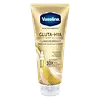
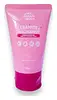
Vaseline Gluta-Hya Serum Burst UV Lotion Flawless Bright Versus My Dream Skin Ceramide + Niacinamide Barrier Defense And Dark Spot Fader Gel Cream
This barrier-repair moisturizer is formulated around Niacinamide and Alpha-Arbutin to strengthen the skin barrier and fade the look of dark spots.


What's inside
What's inside
 Key Ingredients
Benefits
Concerns
Ingredients Side-by-side
Water
Skin ConditioningEthylhexyl Methoxycinnamate
UV Absorber


Niacinamide
Smoothing











Glycerin
Humectant
Astaxanthin
Skin Conditioning
Haematococcus Pluvialis Extract
Antioxidant
Sodium Acetylated Hyaluronate
Humectant
Sodium Hyaluronate
Humectant
Sodium Hyaluronate Crosspolymer
Humectant
Hydrolyzed Sodium Hyaluronate
Skin Conditioning
Butyl Methoxydibenzoylmethane
UV Absorber
Retinyl Palmitate
Skin Conditioning


Helianthus Annuus Seed Oil
Emollient
Cystine
MaskingGlycine
Buffering
Sodium PCA
Humectant
Glutathione
Hydrolyzed Collagen
Emollient
Petrolatum
Emollient
Dimethicone
Emollient
Cyclopentasiloxane
Emollient
Acrylates/C10-30 Alkyl Acrylate Crosspolymer
Emulsion StabilisingPhenoxyethanol
Preservative
Triethanolamine
BufferingMethylparaben
Preservative

Propylparaben
Preservative
Parfum
Masking

Potassium Hydroxide
BufferingStyrene/Acrylates Copolymer
Disodium EDTA
ChelatingCoco-Glucoside
Cleansing
Benzoic Acid
Masking
Citric Acid
Buffering
Acetyl Hexapeptide-8
Humectant
Caprylic/Capric Triglyceride
Masking
Tocopherol
Antioxidant
BHT
Antioxidant
Ethylhexylglycerin
Skin ConditioningCyclodextrin
AbsorbentPentylene Glycol
Skin Conditioning
Potassium Carbonate
BufferingPotassium Chloride
Sodium Benzoate
Masking
Caprylyl Glycol
Emollient
CI 77489
Cosmetic ColorantWater, Ethylhexyl Methoxycinnamate, Niacinamide, Glycerin, Astaxanthin, Haematococcus Pluvialis Extract, Sodium Acetylated Hyaluronate, Sodium Hyaluronate, Sodium Hyaluronate Crosspolymer, Hydrolyzed Sodium Hyaluronate, Butyl Methoxydibenzoylmethane, Retinyl Palmitate, Helianthus Annuus Seed Oil, Cystine, Glycine, Sodium PCA, Glutathione, Hydrolyzed Collagen, Petrolatum, Dimethicone, Cyclopentasiloxane, Acrylates/C10-30 Alkyl Acrylate Crosspolymer, Phenoxyethanol, Triethanolamine, Methylparaben, Propylparaben, Parfum, Potassium Hydroxide, Styrene/Acrylates Copolymer, Disodium EDTA, Coco-Glucoside, Benzoic Acid, Citric Acid, Acetyl Hexapeptide-8, Caprylic/Capric Triglyceride, Tocopherol, BHT, Ethylhexylglycerin, Cyclodextrin, Pentylene Glycol, Potassium Carbonate, Potassium Chloride, Sodium Benzoate, Caprylyl Glycol, CI 77489
Niacinamide
Smoothing
Polyacrylamide
C13-14 Isoparaffin
Emollient
Laureth-7
EmulsifyingGlycerin
Humectant
Persea Gratissima Oil
Skin Conditioning
Cyclopentasiloxane
Emollient
Dimethicone Crosspolymer
Emulsion Stabilising
Dimethiconol
Emollient
Saccharide Isomerate
Humectant
Centella Asiatica Leaf Extract
Skin Conditioning
Octyldodecanol
Emollient
Leptospermum Scoparium Branch/Leaf Oil
Tonic
Piper Nigrum Seed Extract
RefreshingMagnolia Officinalis Bark Extract
Antimicrobial
Phenoxyethanol
Preservative
Ethylhexylglycerin
Skin ConditioningAcrylates/C10-30 Alkyl Acrylate Crosspolymer
Emulsion StabilisingAlpha-Arbutin
Antioxidant
Butylene Glycol
Humectant
Water
Skin ConditioningCryptomeria Japonica Bud Extract
Skin ConditioningPentylene Glycol
Skin Conditioning
Phospholipids
Skin Conditioning
Sphingolipids
Emollient
Ceramide EOP
Skin Conditioning
Triethanolamine
BufferingDisodium EDTA
ChelatingNiacinamide, Polyacrylamide, C13-14 Isoparaffin, Laureth-7, Glycerin, Persea Gratissima Oil, Cyclopentasiloxane, Dimethicone Crosspolymer, Dimethiconol, Saccharide Isomerate, Centella Asiatica Leaf Extract, Octyldodecanol, Leptospermum Scoparium Branch/Leaf Oil, Piper Nigrum Seed Extract, Magnolia Officinalis Bark Extract, Phenoxyethanol, Ethylhexylglycerin, Acrylates/C10-30 Alkyl Acrylate Crosspolymer, Alpha-Arbutin, Butylene Glycol, Water, Cryptomeria Japonica Bud Extract, Pentylene Glycol, Phospholipids, Sphingolipids, Ceramide EOP, Triethanolamine, Disodium EDTA
Reviews
Ingredients Explained
These ingredients are found in both products.
Ingredients higher up in an ingredient list are typically present in a larger amount.
Acrylates/C10-30 Alkyl Acrylate Crosspolymer is a synthetic polymer. It is used to thicken, emulsify, and improve the texture of products.
As an emulsifier, it helps stabilize oil-in-water emulsions to give products an elegant feel when applied.
It can also form a thin protective film on skin. One study found that a formula using this polymer helped slow down how quickly other ingredients (like DEET) were absorbed through skin.
A 2024 study of over 1,300 patients confirmed that sensitization to this ingredient is rare. It is also non-mutagenic and has a clean track record.
Learn more about Acrylates/C10-30 Alkyl Acrylate CrosspolymerCyclopentasiloxane (D5) is a lightweight silicone that mostly acts as an emollient and solvent in cosmetics. Its the reason your products feel silky, fast-spreading, and non-greasy.
Since D5 is volatile, it does its thing and then evaporates off the skin quickly.
The safety profile of this ingredient is reassuring; the US CIR Expert Panel concluded D5 is safe as used in cosmetics and Health Canada concluded that D5 is not harmful to human health or the environment as currently used in cosmetics
There's a study that people mention about D5 in a rat study showing tumors. This study is related to long-term inhalation of high D5 levels.
Regulatory bodies have judged this study to be not applicable in topical skincare since skin absorption of D5 is very low and we're not really inhaling huge amounts of D5.
The only restriction for this ingredient is environmental. The European Chemicals Agency (ECHA) restricted D5 in wash-off cosmetics at or above 0.1% due to their persistence in water.
Learn more about CyclopentasiloxaneDisodium EDTA is a chelating agent. It grabs onto and deactivates metal ions that sneak into your products from water, packaging, or air.
This ingredient mainly works behind the scenes and helps with:
On top of that, this ingredient can counteract the effects of hard water by binding to the minerals in it.
One thing worth knowing is that Disodium EDTA has been shown to be a mild penetration enhancer. It can help other ingredients absorb into skin more effectively which can be a double-edged sword (great for actives, but can also make the active too strong if you have sensitive skin).
Clinical patch testing showed no significant skin irritation at typical use concentrations and minimal dermal absorption.
You'll most likely see this ingredient near the end of an ingredient list. It's typically found in concentrations less than 1%.
Learn more about Disodium EDTAEthylhexylglycerin is created from glycerin. It is a multitasker ingredient that:
The CIR Expert Panel found minimal skin absorption or sensitization of any kind in a safety assessment. Though this ingredient is considered well-tolerated, a small number of cases of allergic dermatitis have been published since 2002. Just be sure to patch test if you are unsure.
Industry-reported use ranges from 8% in rinse-off products and 2% in leave-on formulations.
Learn more about EthylhexylglycerinGlycerin (or glycerol) is a compound naturally found in your skin. It's a powerhouse humectant that pulls water into the stratum corneum.
Topically, glycerin does several things at once:
Your skin makes glycerin on its own (mostly from sebaceous oil breakdown) and shuttles it to your outermost layer of skin, or your epidermis, via aquaporin-3.
Aquaporin-3 is a transporter that is essential for normal skin hydration, elasticity, and repair. Interestingly, mice lacking in AQP3 have dry and less elastic skin that can be fully corrected with glycerin.
This ingredient is non-irritating, plays well with almost every ingredient, and works across all skin types. Typical use is anywhere between 3-10% but can go up to 79% in some leave-on products.
Just know very high concentrations (>40%) can feel tacky in low humidity.
Glycerin is the name for this ingredient in American English. British English uses Glycerol/Glycerine.
Learn more about GlycerinNiacinamide is a multitasking form of vitamin B3 that strengthens the skin barrier, reduces pores and dark spots, regulates oil, and improves signs of aging.
And the best part? It's gentle and well-tolerated by most skin types, including sensitive and reactive skin.
You might have heard of "niacin flush", or the reddening of skin that causes itchiness. Niacinamide has not been found to cause this.
In very rare cases, some individuals may not be able to tolerate niacinamide at all or experience an allergic reaction to it.
If you are experiencing flaking, irritation, and dryness with this ingredient, be sure to double check all your products as this ingredient can be found in all categories of skincare.
When incorporating niacinamide into your routine, look out for concentration amounts. Typically, 5% niacinamide provides benefits such as fading dark spots. However, if you have sensitive skin, it is better to begin with a smaller concentration.
When you apply niacinamide to your skin, your body converts it into nicotinamide adenine dinucleotide (NAD). NAD is an essential coenzyme that is already found in your cells as "fuel" and powers countless biological processes.
In your skin, NAD helps repair cell damage, produce new healthy cells, support collagen production, strengthen the skin barrier, and fight environmental stressors (like UV and pollution).
Our natural NAD levels start to decline with age, leading to slower skin repair, visible aging, and a weaker skin barrier. By providing your skin niacinamide, you're recharging your skin's NAD levels. This leads to stronger, healthier, and younger looking skin.
Another name for vitamin B3 is nicotinamide. This vitamin is water-soluble and our bodies don't store it. We obtain Vitamin B3 from either food or skincare. Meat, fish, wheat, yeast, and leafy greens contain vitamin B3.
The type of niacinamide used in skincare is synthetically created.
Learn more about NiacinamidePentylene Glycol (1,2-pentanediol) is a multitasking little diol with three main roles in a formula:
Research on alkanediols (the family pentylene glycol belongs to) show they work by disrupting microbial cell membranes. This disruption helps the primary preservative system in a product work more effectively at lower doses.
On the safety side, the Cosmetic Ingredient Review Expert Panel has concluded this ingredient to be safe as used in current cosmetic practices + concentrations.
Typical use levels in a formula run about 1-5%.
Learn more about Pentylene GlycolPhenoxyethanol is one of the most widely used preservatives in skincare (and for good reason!).
It has a large spectrum of antimicrobial activity and especially effective bacteria, yeast, and mold while only having a weak effect on your skin's natural microbiome.
On a cellular level, it disrupts the cell membranes of microbes by poking holes that make the cell leak. This shuts down the chemical reactions the microbe needs to make energy so it can no longer survive.
Another perk of this ingredient is that it stays functional across a wide pH range (3-10).
You'll often see it paired with boosters like Ethylhexylglycerin; one study showed that a 1:9 ratio of Ethylhexylglycerin to Phenoxyethanol damages bacterial membranes as effectively as doubling the Phenoxyethanol concentration on its own.
Typical use concentrations range from 0.3-1% depending on the formula, and this ingredient is capped at 1% int the EU.
Safety-wise, the fear mongering does not hold up to the evidence. The EU's Scientific Committee on Consumer Safety and FDA consider it safe as a preservative at up to 1%, including for children of all ages.
Adverse systemic effects only showed up in animal studies at exposures roughly 200x higher than what people get from cosmetics. And despite its very widespread use, this ingredient is a rare sensitizer and allergic reactions are uncommon.
Learn more about PhenoxyethanolTriethanolamine (TEA) is an emulsifier and pH adjuster. It is created using ethylene oxide and ammonia. This gives Triethanolamine a nitrogen core and a similar scent to ammonia.
As an emulsifier, it prevents ingredients from separating and enhances texture by adding volume to a product.
PH adjusters are common in cosmetic products. The pH of a product can affect the effectiveness of other ingredients. A product with a high pH may also irritate the skin.
If you are looking for the tea leaf ingredient, click here.
Learn more about TriethanolamineWater. It's the most common cosmetic ingredient of all. You'll usually see it at the top of ingredient lists, meaning that it makes up the largest part of the product.
So why is it so popular? Water most often acts as a solvent - this means that it helps dissolve other ingredients into the formulation.
You'll also recognize water as that liquid we all need to stay alive. If you see this, drink a glass of water. Remember to stay hydrated!
Learn more about Water

