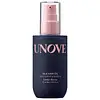
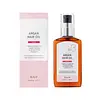
unove Silk Hair Oil Versus Raip R3 Argan Hair Oil

What's inside
What's inside
 Key Ingredients
Benefits
Concerns
Ingredients Side-by-side
Cyclopentasiloxane
Emollient
Dimethiconol
Emollient
C12-15 Alkyl Benzoate
AntimicrobialDimethicone
Emollient
Alcohol
Antimicrobial




Argania Spinosa Kernel Oil
Emollient






Hippophae Rhamnoides Oil
Emollient
Lithospermum Officinale Root Extract
Skin ConditioningCamellia Japonica Seed Oil
Emollient
Helianthus Annuus Seed Oil
Emollient
Hydrolyzed Silk
Humectant
Olea Europaea Fruit Oil
Masking

Hydrolyzed Vegetable Protein
Skin ConditioningHydrolyzed Keratin
Humectant
Aspergillus Ferment
Skin ConditioningVegetable Amino Acids
Skin ConditioningLinum Usitatissimum Seed Extract
Perfuming
Salvia Hispanica Seed Extract
Emollient
Silk Amino Acids
HumectantXylitol
Humectant
Hydrolyzed Conchiolin Protein
Skin ConditioningSqualane
Emollient
Water
Skin ConditioningCyclohexasiloxane
Emollient
Maltodextrin
Absorbent
Glycerin
Humectant
Arginine
Masking
Panthenol
Skin Conditioning
Polyglyceryl-10 Laurate
Skin Conditioning
Pentylene Glycol
Skin Conditioning
Ethylhexylglycerin
Skin ConditioningCaprylic Acid
Cleansing1,2-Hexanediol
Skin Conditioning
Caprylyl Glycol
Emollient
Citric Acid
Buffering

Ceramide NP
Skin Conditioning
Phospholipids
Skin Conditioning
Phytosphingosine
Skin Conditioning
Phytosterols
Skin Conditioning
Potassium Benzoate
Preservative
Potassium Sorbate
Preservative
Parfum
Masking
Hexyl Cinnamal
Perfuming
Geraniol
Perfuming
Limonene
Perfuming
Citronellol
Perfuming
Alpha-Isomethyl Ionone
Perfuming
Benzyl Alcohol
Perfuming
Cyclopentasiloxane, Dimethiconol, C12-15 Alkyl Benzoate, Dimethicone, Alcohol, Argania Spinosa Kernel Oil, Hippophae Rhamnoides Oil, Lithospermum Officinale Root Extract, Camellia Japonica Seed Oil, Helianthus Annuus Seed Oil, Hydrolyzed Silk, Olea Europaea Fruit Oil, Hydrolyzed Vegetable Protein, Hydrolyzed Keratin, Aspergillus Ferment, Vegetable Amino Acids, Linum Usitatissimum Seed Extract, Salvia Hispanica Seed Extract, Silk Amino Acids, Xylitol, Hydrolyzed Conchiolin Protein, Squalane, Water, Cyclohexasiloxane, Maltodextrin, Glycerin, Arginine, Panthenol, Polyglyceryl-10 Laurate, Pentylene Glycol, Ethylhexylglycerin, Caprylic Acid, 1,2-Hexanediol, Caprylyl Glycol, Citric Acid, Ceramide NP, Phospholipids, Phytosphingosine, Phytosterols, Potassium Benzoate, Potassium Sorbate, Parfum, Hexyl Cinnamal, Geraniol, Limonene, Citronellol, Alpha-Isomethyl Ionone, Benzyl Alcohol
Cyclopentasiloxane
Emollient
Disiloxane
Skin Conditioning
Dimethicone
Emollient
Argania Spinosa Kernel Oil
Emollient
Hippophae Rhamnoides Oil
Emollient
Camellia Japonica Seed Oil
Emollient
Simmondsia Chinensis Seed Extract
Abrasive
Persea Gratissima Oil
Skin Conditioning
Vitis Vinifera Seed Oil
Emollient
Olea Europaea Fruit Oil
Masking
Helianthus Annuus Seed Oil
Emollient
Panthenol
Skin Conditioning
Tocopheryl Acetate
Antioxidant

Parfum
Masking
Cyclopentasiloxane, Disiloxane, Dimethicone, Argania Spinosa Kernel Oil, Hippophae Rhamnoides Oil, Camellia Japonica Seed Oil, Simmondsia Chinensis Seed Extract, Persea Gratissima Oil, Vitis Vinifera Seed Oil, Olea Europaea Fruit Oil, Helianthus Annuus Seed Oil, Panthenol, Tocopheryl Acetate, Parfum
Reviews
Ingredients Explained
These ingredients are found in both products.
Ingredients higher up in an ingredient list are typically present in a larger amount.
You may know this ingredient as argan oil. It has emollient and skin conditioning properties that help soften skin and reinforce the lipid barrier.
The fatty acid profile of argan oil is roughly 45-55% oleic acid, 28-36% linoleic acid, 10-15% palmitic acid, and 5-7% stearic acid. It also contains vitamin E, sterols, squalene, and polyphenols like ferulic acid.
Two clinical studies in postmenopausal women found that applying argan oil for 60 days significantly improved skin elasticity and moisturization (reduced transepidermal water loss and increased epidermal water content).
Since it is high in oleic and linoleic acid, this ingredient may not be fungal acne safe. Both of these fall in the C11-C24 range that Malassezia yeast can metabolize.
Learn more about Argania Spinosa Kernel OilThis ingredient is also known as Tsubaki oil, or the fixed oil from the seeds of the Japanese camellia.
It's basically a fatty acid delivery system (~75-85% oleic acid) plus some minor extras like squalene, tocopherols, and phytosterols.
That profile makes it a classic emollient; it works by hanging out with the skin's surface lipids, softens, and slows down water loss.
The most cited study on it was done on skin cells in a dish where this oil got them to make more of the building blocks for collagen while also slowing down the enzyme that breaks collagen down. Researchers tested this on human skin too; it didn't cause irritation and helped skin hold onto moisture better.
Another study done on cells and mice found this oil quieted down some of the body's inflammation signals.
These studies are still small, early, and not done on humans, so it's best to think of this ingredient as a great supporting ingredient for the rest of your routine and not the main active.
Concentrations can range from 1-5% in serums to 100% as a single face oil (how it's most traditionally used).
Because this ingredient is a triglyceride of long-chain fatty acids, this ingredient may not be Malassezia safe.
Allergies to this protein are quite rare as the refined seed oil contains very little residual protein. Human irritation testing also came back clean. But it is a plant and as with any botanical ingredient, contact allergy is possible.
Learn more about Camellia Japonica Seed OilCyclopentasiloxane (D5) is a lightweight silicone that mostly acts as an emollient and solvent in cosmetics. Its the reason your products feel silky, fast-spreading, and non-greasy.
Since D5 is volatile, it does its thing and then evaporates off the skin quickly.
The safety profile of this ingredient is reassuring; the US CIR Expert Panel concluded D5 is safe as used in cosmetics and Health Canada concluded that D5 is not harmful to human health or the environment as currently used in cosmetics
There's a study that people mention about D5 in a rat study showing tumors. This study is related to long-term inhalation of high D5 levels.
Regulatory bodies have judged this study to be not applicable in topical skincare since skin absorption of D5 is very low and we're not really inhaling huge amounts of D5.
The only restriction for this ingredient is environmental. The European Chemicals Agency (ECHA) restricted D5 in wash-off cosmetics at or above 0.1% due to their persistence in water.
Learn more about CyclopentasiloxaneDimethicone is a type of synthetic silicone created from natural materials such as quartz. It is also known as polydimethylsiloxane.
What it does:
Dimethicone comes in different viscosities:
Depending on the viscosity, dimethicone has different properties.
Ingredients lists don't always show which type is used, so we recommend reaching out to the brand if you have questions about the viscosity.
This ingredient is unlikely to cause irritation because it does not get absorbed into skin. However, people with silicone allergies should be careful about using this ingredient.
Note: Dimethicone may contribute to pilling. This is because it is not oil or water soluble, so pilling may occur when layered with products. When mixed with heavy oils in a formula, the outcome is also quite greasy.
Learn more about DimethiconeHelianthus Annuus Seed Oil is a plant oil derived from the seeds of a sunflower.
It is rich in fatty acids, primarily linoleic acid and oleic acid. This gives it emollient and skin conditioning properties.
The reason this ingredient is so effective is because it forms a thin film on the skin that reduces transepidermal water loss (TEWL) while supplying linoleic acid to the stratum corneum to improve barrier strength.
The high linoleic acid content is particularly noteworthy for acne-prone skin.
Research suggests that acne-prone skin tends to be deficient in linoleic acid in sebum. Topical application may help replenish this to support a healthier follicular environment and less comedone-promoting sebum.
One randomized study found sunflower seed oil preserved skin barrier integrity in adult volunteers with and without atopic dermatitis (outperforming olive oil).
This ingredient is well-studied, gentle, and an effective emollient suitable for most skin types.
On fungal acne: This ingredient may not be Fungal acne (Malassezia folliculitis) safe. This is because it contains fatty acids with carbon chain lengths in the C11-C24 range.
Learn more about Helianthus Annuus Seed OilHippophae Rhamnoides Oil also known as seabuckthorn oil. This oil is usually extracted from the fruit pulp or seeds.
Seabuckthorn is rich in phytosterols, carotenoids, Vitamins A, C, and E. This gives it strong antioxidant properties that can help soothe and protect your skin from oxidative damage.
This oil is rich in fatty acids, including: two types of linoleic acid (~30-34%), oleic acid (17%), and palmiteic acid (35%). Note these numbers are averages, and different parts of the plant will vary.
Palmitoleic acid has been shown to help soothe inflammation and promote wound healing. It is also naturally found in the fat of our skin.
Overall, seabuckthorn oil is great for nourishing, hydrating, and soothing skin. While it shows UV protecting properties, it should not replace sunscreen.
Due to the rich fatty acid content, this ingredient may not be Malassezia folliculitis, or fungal acne, safe.
Seabuckthorn berries are little orange fruits. This plant is native to Asia.
Learn more about Hippophae Rhamnoides OilThis ingredient is also known as olive oil. It has been used in skincare for centuries and science largely backs up its reputation as a nourishing emollient.
The main components of olive oil are oleic acid (55-83%), linoleic acid (3.5-20%), and palmitic acid (7-20%). Oleic acid promotes skin regeneration and helps regulate inflammatory responses.
Squalene is also naturally present in olive oil and exhibits moisturizing and antioxidant properties.
The polyphenols in olive oil also show anti-aging promise; one clinical study found a measurable improvement in skin appearance after 30 days of topical serum use.
Just be aware that applying olive oil directly to skin can weaken the barrier and cause redness. One study with volunteers found even people without sensitive skin experienced a significant reduction in stratum corneum integrity and induced mild erythema.
It's best to use this ingredient as part of a carefully crafted formula (instead of putting it on skin directly from the bottle).
Because it has a 0-2 on the comedogenic scale, it is low risk for acne-prone skin. Just remember the overall formulation of a product matters more than a few ingredients with comedogenic ratings.
This ingredient may not be fungal acne safe because of the oleic and palmitic acid content. These fall within the C11-24 fatty acid range that the Malassezia yeast can metabolize to grow.
Overall, olive oil is a well-studied and nourishing skincare ingredient.
Learn more about Olea Europaea Fruit OilPanthenol is a common ingredient that helps hydrate and soothe the skin. It is found naturally in our skin and hair.
There are two forms of panthenol: D and L.
D-panthenol is also known as dexpanthenol. Most cosmetics use dexpanthenol or a mixture of D and L-panthenol.
Panthenol is famous due to its ability to go deeper into the skin's layers. Using this ingredient has numerous pros (and no cons):
Like hyaluronic acid, panthenol is a humectant. Humectants are able to bind and hold large amounts of water to keep skin hydrated.
This ingredient works well for wound healing. It works by increasing tissue in the wound and helps close open wounds.
Once oxidized, panthenol converts to pantothenic acid. Panthothenic acid is found in all living cells.
This ingredient is also referred to as pro-vitamin B5.
Learn more about PanthenolParfum is a catch-all term for an ingredient or more that is used to give a scent to products.
Also called "fragrance", this ingredient can be a blend of hundreds of chemicals or plant oils. This means every product with "fragrance" or "parfum" in the ingredients list is a different mixture.
For instance, Habanolide is a proprietary trade name for a specific aroma chemical. When used as a fragrance ingredient in cosmetics, most aroma chemicals fall under the broad labeling category of “FRAGRANCE” or “PARFUM” according to EU and US regulations.
The term 'parfum' or 'fragrance' is not regulated in many countries. In many cases, it is up to the brand to define this term.
For instance, many brands choose to label themselves as "fragrance-free" because they are not using synthetic fragrances. However, their products may still contain ingredients such as essential oils that are considered a fragrance by INCI standards.
One example is Calendula flower extract. Calendula is an essential oil that still imparts a scent or 'fragrance'.
Depending on the blend, the ingredients in the mixture can cause allergies and sensitivities on the skin. Some ingredients that are known EU allergens include linalool and citronellol.
Parfum can also be used to mask or cover an unpleasant scent.
The bottom line is: not all fragrances/parfum/ingredients are created equally. If you are worried about fragrances, we recommend taking a closer look at an ingredient. And of course, we always recommend speaking with a professional.
Learn more about Parfum

