Ultra Violette Lean Screen SPF 50+ Versus Ultra Violette Queen Screen SPF 50+ Luminising Serum Skinscreen
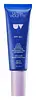
This mineral sunscreen covers the full UV range and blocks ~98% of UVB at SPF 50.
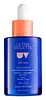
This chemical sunscreen covers the full UV range and blocks ~98% of UVB at SPF 50.

What's inside
What's inside
 Key Ingredients
Benefits
Concerns
Ingredients Side-by-side
Water
Skin ConditioningZinc Oxide
Cosmetic Colorant


Coco-Caprylate/Caprate
Emollient
Polyglyceryl-3 Polyricinoleate
Emulsifying

Isostearic Acid
Cleansing

Cetearyl Alcohol
Emollient

Cetearyl Glucoside
Emulsifying
Pentane
SolventTerminalia Ferdinandiana Fruit Extract
Antioxidant
Xanthan Gum
EmulsifyingGluconolactone
Chelating






Sodium Benzoate
Masking
Glycerin
Humectant

Ammonium Acryloyldimethyltaurate/Vp Copolymer
Octyldodecanol
Emollient
Caprylic/Capric Triglyceride
Masking
Sodium Chloride
MaskingPEG-30 Dipolyhydroxystearate
Emulsifying
Disodium EDTA
ChelatingIron Oxides
Water, Zinc Oxide, Coco-Caprylate/Caprate, Polyglyceryl-3 Polyricinoleate, Isostearic Acid, Cetearyl Alcohol, Cetearyl Glucoside, Pentane, Terminalia Ferdinandiana Fruit Extract, Xanthan Gum, Gluconolactone, Sodium Benzoate, Glycerin, Ammonium Acryloyldimethyltaurate/Vp Copolymer, Octyldodecanol, Caprylic/Capric Triglyceride, Sodium Chloride, PEG-30 Dipolyhydroxystearate, Disodium EDTA, Iron Oxides
Water
Skin ConditioningDicaprylyl Carbonate
EmollientDiisopropyl Adipate
EmollientIsostearyl Neopentanoate
Emollient
Ethylhexyl Salicylate
UV Absorber
Phenylbenzimidazole Sulfonic Acid
UV Absorber
Bis-Ethylhexyloxyphenol Methoxyphenyl Triazine
UV Absorber
Isododecane
EmollientDiethylamino Hydroxybenzoyl Hexyl Benzoate
UV Filter
C12-15 Alkyl Benzoate
AntimicrobialCetyl PEG/PPG-10/1 Dimethicone
Emulsifying
Glycerin
Humectant
Methylene Bis-Benzotriazolyl Tetramethylbutylphenol
UV Filter
Cetyl Dimethicone
Emollient
Lauryl PEG/PPG-18/18 Methicone
Skin Conditioning
Acrylates/C12-22 Alkyl Methacrylate Copolymer
Phenyl Trimethicone
Skin Conditioning
Ethylhexyl Triazone
UV Absorber
Sodium Chloride
MaskingStearalkonium Hectorite
Gel FormingOryza Sativa Bran Cera
Skin ConditioningSodium Hydroxide
BufferingSaccharide Isomerate
Humectant
Phenoxyethanol
Preservative
Tocopheryl Acetate
Antioxidant
Simmondsia Chinensis Seed Oil
Emollient
Hydroxyacetophenone
Antioxidant
Panthenol
Skin Conditioning
Mica
Cosmetic ColorantDecyl Glucoside
Cleansing
Arginine
Masking
Parfum
Masking


Lauryl Glucoside
CleansingPropylene Carbonate
SolventBenzyl Alcohol
Perfuming

Ethyl Linoleate
Emollient
Disodium Lauryl Sulfosuccinate
CleansingDunaliella Salina Extract
Skin ConditioningTerminalia Ferdinandiana Fruit Extract
Antioxidant
Propylene Glycol
Humectant
Xanthan Gum
EmulsifyingCitric Acid
Buffering
Pantolactone
Humectant
Sodium Citrate
BufferingTocopherol
Antioxidant
Tin Oxide
Abrasive
Geraniol
Perfuming
Citronellol
Perfuming
Linalool
Perfuming
Eugenol
Perfuming
CI 77891
Cosmetic ColorantWater, Dicaprylyl Carbonate, Diisopropyl Adipate, Isostearyl Neopentanoate, Ethylhexyl Salicylate, Phenylbenzimidazole Sulfonic Acid, Bis-Ethylhexyloxyphenol Methoxyphenyl Triazine, Isododecane, Diethylamino Hydroxybenzoyl Hexyl Benzoate, C12-15 Alkyl Benzoate, Cetyl PEG/PPG-10/1 Dimethicone, Glycerin, Methylene Bis-Benzotriazolyl Tetramethylbutylphenol, Cetyl Dimethicone, Lauryl PEG/PPG-18/18 Methicone, Acrylates/C12-22 Alkyl Methacrylate Copolymer, Phenyl Trimethicone, Ethylhexyl Triazone, Sodium Chloride, Stearalkonium Hectorite, Oryza Sativa Bran Cera, Sodium Hydroxide, Saccharide Isomerate, Phenoxyethanol, Tocopheryl Acetate, Simmondsia Chinensis Seed Oil, Hydroxyacetophenone, Panthenol, Mica, Decyl Glucoside, Arginine, Parfum, Lauryl Glucoside, Propylene Carbonate, Benzyl Alcohol, Ethyl Linoleate, Disodium Lauryl Sulfosuccinate, Dunaliella Salina Extract, Terminalia Ferdinandiana Fruit Extract, Propylene Glycol, Xanthan Gum, Citric Acid, Pantolactone, Sodium Citrate, Tocopherol, Tin Oxide, Geraniol, Citronellol, Linalool, Eugenol, CI 77891
Reviews
Ingredients Explained
These ingredients are found in both products.
Ingredients higher up in an ingredient list are typically present in a larger amount.
Glycerin (or glycerol) is a compound naturally found in your skin. It's a powerhouse humectant that pulls water into the stratum corneum.
Topically, glycerin does several things at once:
Your skin makes glycerin on its own (mostly from sebaceous oil breakdown) and shuttles it to your outermost layer of skin, or your epidermis, via aquaporin-3.
Aquaporin-3 is a transporter that is essential for normal skin hydration, elasticity, and repair. Interestingly, mice lacking in AQP3 have dry and less elastic skin that can be fully corrected with glycerin.
This ingredient is non-irritating, plays well with almost every ingredient, and works across all skin types. Typical use is anywhere between 3-10% but can go up to 79% in some leave-on products.
Just know very high concentrations (>40%) can feel tacky in low humidity.
Glycerin is the name for this ingredient in American English. British English uses Glycerol/Glycerine.
Learn more about GlycerinChances are, you eat sodium chloride every day. Sodium Chloride is also known as table salt. This ingredient has many purposes in skincare: thickener, emulsifier, and exfoliator.
You'll most likely find this ingredient in cleansers where it is used to create a gel-like texture. As an emulsifier, it also prevents ingredients from separating.
You might see people debate whether Sodium Chloride is comedogenic, but there actually haven't been any comedogenic tests done on it. Either way, the overall formulation of a product matters a lot more than any single ingredient.
You might see this ingredient used in scrubs as a primary exfoliating ingredient.
Learn more about Sodium ChlorideTerminalia Ferdinandiana Fruit Extract is from the Kakadu plum. The Kakadu plum is native to northern Australia. The Kakadu plum holds the record for having the highest amount of natural vitamin C.
This ingredient is an antioxidant. Antioxidants help fight free-radical molecules. Free-radical molecules are capable of damaging our cells and other genetic material. Antioxidants help stabilize free-radicals and thus may reduce the signs of aging.
The high vitamin C content of Kakadu plum also helps lighten skin. Vitamin C has been shown to block the process of skin darkening that leads to hyperpigmentation.
Kakadu plums have been used by indigenous cultures as medicine to help treat colds and as an antiseptic.
Learn more about Terminalia Ferdinandiana Fruit ExtractWater. It's the most common cosmetic ingredient of all. You'll usually see it at the top of ingredient lists, meaning that it makes up the largest part of the product.
So why is it so popular? Water most often acts as a solvent - this means that it helps dissolve other ingredients into the formulation.
You'll also recognize water as that liquid we all need to stay alive. If you see this, drink a glass of water. Remember to stay hydrated!
Learn more about WaterXanthan gum is used as a stabilizer and thickener within cosmetic products. It helps give products a sticky, thick feeling - preventing them from being too runny.
On the technical side of things, xanthan gum is a polysaccharide - a combination consisting of multiple sugar molecules bonded together.
Xanthan gum is a pretty common and great ingredient. It is a natural, non-toxic, non-irritating ingredient that is also commonly used in food products.
Learn more about Xanthan Gum

