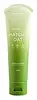
This mild gel cleanser is made to cleanse while calming and soothing your skin.
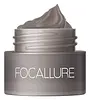
This wash off mask is made with Kaolin for a rinse-off pore-care boost.


What's inside
What's inside
 Key Ingredients
Benefits
Concerns
Ingredients Side-by-side
Water
Skin ConditioningPotassium Cocoyl Hydrolyzed Collagen
Skin Conditioning

Glycerin
Humectant


Acrylates Copolymer
Cocamidopropyl Betaine
Cleansing


Potassium Cocoyl Glycinate
Surfactant
Butylene Glycol
Humectant
Decyl Glucoside
Cleansing
PEG-120 Methyl Glucose Dioleate
Emulsifying
Pentylene Glycol
Skin Conditioning
Xanthan Gum
EmulsifyingAvena Sativa Kernel Extract
Abrasive



Panthenol
Skin Conditioning
Glycyrrhiza Glabra Leaf Extract
Skin ConditioningTriethanolamine
BufferingClitoria Ternatea Flower Extract
Skin Conditioning1,2-Hexanediol
Skin Conditioning
Houttuynia Cordata Extract
Skin Conditioning
Sodium Hyaluronate
Humectant
Ethylhexylglycerin
Skin ConditioningCinnamomum Zeylanicum Bark Extract
Antimicrobial
Capryloyl Glycine
CleansingSarcosine
Skin Conditioning
Citrus Junos Seed Extract
Antioxidant
Citrus Unshiu Peel Extract
MaskingActinidia Chinensis Seed
Abrasive
Salicylic Acid 0.01%
Masking






Fragaria Chiloensis Fruit Extract
Skin Conditioning
Vitis Vinifera Seed Extract
Antimicrobial
Vitis Vinifera Skin Extract
Antioxidant
Vitis Vinifera Leaf Extract
Skin ConditioningGarcinia Mangostana Peel Extract
Skin ConditioningPropanediol
Solvent
Sodium Hydroxide
BufferingDipotassium Glycyrrhizate
Humectant
Chlorphenesin
Antimicrobial
Allantoin
Skin Conditioning
Disodium EDTA
ChelatingCamellia Sinensis Leaf
Perfuming
Water, Potassium Cocoyl Hydrolyzed Collagen, Glycerin, Acrylates Copolymer, Cocamidopropyl Betaine, Potassium Cocoyl Glycinate, Butylene Glycol, Decyl Glucoside, PEG-120 Methyl Glucose Dioleate, Pentylene Glycol, Xanthan Gum, Avena Sativa Kernel Extract, Panthenol, Glycyrrhiza Glabra Leaf Extract, Triethanolamine, Clitoria Ternatea Flower Extract, 1,2-Hexanediol, Houttuynia Cordata Extract, Sodium Hyaluronate, Ethylhexylglycerin, Cinnamomum Zeylanicum Bark Extract, Capryloyl Glycine, Sarcosine, Citrus Junos Seed Extract, Citrus Unshiu Peel Extract, Actinidia Chinensis Seed, Salicylic Acid 0.01%, Fragaria Chiloensis Fruit Extract, Vitis Vinifera Seed Extract, Vitis Vinifera Skin Extract, Vitis Vinifera Leaf Extract, Garcinia Mangostana Peel Extract, Propanediol, Sodium Hydroxide, Dipotassium Glycyrrhizate, Chlorphenesin, Allantoin, Disodium EDTA, Camellia Sinensis Leaf
Water
Skin ConditioningIsododecane
EmollientKaolin
Abrasive
Polyglyceryl-3 Methylglucose Distearate
Emulsifying
Ethylhexyl Palmitate
Emollient

Cetearyl Alcohol
Emollient
Palmitic Acid
Emollient
Glycerin
Humectant
Butylene Glycol
Humectant
Dimethicone
Emollient
Macadamia Integrifolia Seed Oil
Skin Conditioning
Olea Europaea Fruit Oil
Masking
CI 77891
Cosmetic ColorantGlyceryl Stearate
Emollient
Stearic Acid
Cleansing
PEG-100 Stearate
Surfactant
1,2-Hexanediol
Skin Conditioning
Sodium Polyacrylate
Absorbent
Xanthan Gum
EmulsifyingPhenoxyethanol
Preservative
C13-14 Isoparaffin
Emollient
CI 77492
Cosmetic ColorantChlorphenesin
Antimicrobial
CI 77499
Cosmetic ColorantC11-13 Isoparaffin
Solvent
CI 77288
Cosmetic ColorantBisabolol
Antioxidant
Dipotassium Glycyrrhizate
Humectant
Melaleuca Alternifolia Leaf
Abrasive
Water, Isododecane, Kaolin, Polyglyceryl-3 Methylglucose Distearate, Ethylhexyl Palmitate, Cetearyl Alcohol, Palmitic Acid, Glycerin, Butylene Glycol, Dimethicone, Macadamia Integrifolia Seed Oil, Olea Europaea Fruit Oil, CI 77891, Glyceryl Stearate, Stearic Acid, PEG-100 Stearate, 1,2-Hexanediol, Sodium Polyacrylate, Xanthan Gum, Phenoxyethanol, C13-14 Isoparaffin, CI 77492, Chlorphenesin, CI 77499, C11-13 Isoparaffin, CI 77288, Bisabolol, Dipotassium Glycyrrhizate, Melaleuca Alternifolia Leaf
Reviews
Ingredients Explained
These ingredients are found in both products.
Ingredients higher up in an ingredient list are typically present in a larger amount.
1,2-Hexanediol is a synthetic liquid and another multi-functional powerhouse.
It is a:
- Humectant, drawing moisture into the skin
- Emollient, helping to soften skin
- Solvent, dispersing and stabilizing formulas
- Preservative booster, enhancing the antimicrobial activity of other preservatives
Butylene Glycol (or BG) is used within cosmetic products for a few different reasons:
Overall, Butylene Glycol is a safe and well-rounded ingredient that works well with other ingredients.
Though this ingredient works well with most skin types, some people with sensitive skin may experience a reaction such as allergic rashes, closed comedones, or itchiness.
Learn more about Butylene GlycolChlorphenesin is a synthetic preservative. It helps protect a product against bacteria in order to extend shelf life. In most cases, Chlorphenesin is paired with other preservatives such as phenoxyethanol and caprylyl glycol.
Chlorphenesin is a biocide. This means it is able to help fight the microorganisms on our skin. It is also able to fight odor-releasing bacteria.
Chlorphenesin is soluble in both water and glycerin.
Studies show Chlorphenesin is easily absorbed by our skin. You should speak with a skincare professional if you have concerns about using Chlorphenesin.
Learn more about ChlorphenesinDipotassium Glycyrrhizate comes from licorice root.
Extracts of licorice have demonstrated to have antibacterial, anti‐inflammatory, antiviral, antioxidant properties.
One component, glabridin, has extra potent antioxidant and soothing properties. It has also been found to block pigmentation from UVB rays in guinea pigs.
Licorice Root also contains a flavonoid. Flavonoids are a natural substance from in plants. Flavonoids also have antioxidant properties.
Another component, glycyrrhizin, has been found to have anti-inflammatory and antimicrobial benefits. This may make licorice root extract effective at treating acne. However, more research is needed to support this.
Liquiritin is one of the flavone compounds found in licorice. It has been found to help lighten skin by preventing tyrosinase from reacting with tyrosine. When the two react, protein is converted to melanin. Melanin is the substance in your body that gives your features pigmentation.
Licorice root is native to Southern Europe and Asia. It has been used in traditional Chinese medicine to help with respiratory issues.
Learn more about Dipotassium GlycyrrhizateGlycerin (or glycerol) is a compound naturally found in your skin. It's a powerhouse humectant that pulls water into the stratum corneum.
Topically, glycerin does several things at once:
Your skin makes glycerin on its own (mostly from sebaceous oil breakdown) and shuttles it to your outermost layer of skin, or your epidermis, via aquaporin-3.
Aquaporin-3 is a transporter that is essential for normal skin hydration, elasticity, and repair. Interestingly, mice lacking in AQP3 have dry and less elastic skin that can be fully corrected with glycerin.
This ingredient is non-irritating, plays well with almost every ingredient, and works across all skin types. Typical use is anywhere between 3-10% but can go up to 79% in some leave-on products.
Just know very high concentrations (>40%) can feel tacky in low humidity.
Glycerin is the name for this ingredient in American English. British English uses Glycerol/Glycerine.
Learn more about GlycerinWater. It's the most common cosmetic ingredient of all. You'll usually see it at the top of ingredient lists, meaning that it makes up the largest part of the product.
So why is it so popular? Water most often acts as a solvent - this means that it helps dissolve other ingredients into the formulation.
You'll also recognize water as that liquid we all need to stay alive. If you see this, drink a glass of water. Remember to stay hydrated!
Learn more about WaterXanthan gum is used as a stabilizer and thickener within cosmetic products. It helps give products a sticky, thick feeling - preventing them from being too runny.
On the technical side of things, xanthan gum is a polysaccharide - a combination consisting of multiple sugar molecules bonded together.
Xanthan gum is a pretty common and great ingredient. It is a natural, non-toxic, non-irritating ingredient that is also commonly used in food products.
Learn more about Xanthan Gum

