
What's inside
What's inside
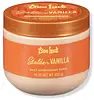 Key Ingredients
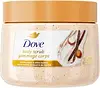
Benefits
Concerns
Ingredients Side-by-side
Glycerin
Humectant


Water
Skin ConditioningSodium Cocoyl Isethionate
Cleansing
Sorbitol
Humectant
Hydrated Silica
Abrasive
Stearic Acid
Cleansing


Sodium Methyl Cocoyl Taurate
Cleansing
Propanediol
Solvent
Parfum
Masking



Calcium Aluminum Borosilicate
Hydroxyacetophenone
Antioxidant
Calcium Sodium Borosilicate
Phenoxyethanol
Preservative
Caprylyl Glycol
Emollient
Silica
Abrasive

Trisodium Ethylenediamine Disuccinate
ChelatingSorbic Acid
Preservative
Macadamia Ternifolia Seed Oil
Emollient
Persea Gratissima Oil
Skin Conditioning
Oenothera Biennis Oil
Emollient

Carthamus Tinctorius Seed Oil
Masking
Citrus Aurantium Dulcis Peel Oil
Masking
Prunus Amygdalus Dulcis Oil
Skin Conditioning
Butyrospermum Parkii Butter
Skin Conditioning
Lycium Barbarum Fruit Extract
Astringent
Retinyl Palmitate
Skin Conditioning


Saccharum Officinarum Extract
MoisturisingLeuconostoc/Radish Root Ferment Filtrate
Antimicrobial
Tocopherol
Antioxidant

Sodium Benzoate
Masking
Potassium Sorbate
Preservative
Benzyl Benzoate
Antimicrobial
Vanillin
Masking
Linalyl Acetate
Masking
Limonene
Perfuming
CI 77891
Cosmetic ColorantCI 77492
Cosmetic ColorantCI 77491
Cosmetic ColorantTin Oxide
Abrasive
Glycerin, Water, Sodium Cocoyl Isethionate, Sorbitol, Hydrated Silica, Stearic Acid, Sodium Methyl Cocoyl Taurate, Propanediol, Parfum, Calcium Aluminum Borosilicate, Hydroxyacetophenone, Calcium Sodium Borosilicate, Phenoxyethanol, Caprylyl Glycol, Silica, Trisodium Ethylenediamine Disuccinate, Sorbic Acid, Macadamia Ternifolia Seed Oil, Persea Gratissima Oil, Oenothera Biennis Oil, Carthamus Tinctorius Seed Oil, Citrus Aurantium Dulcis Peel Oil, Prunus Amygdalus Dulcis Oil, Butyrospermum Parkii Butter, Lycium Barbarum Fruit Extract, Retinyl Palmitate, Saccharum Officinarum Extract, Leuconostoc/Radish Root Ferment Filtrate, Tocopherol, Sodium Benzoate, Potassium Sorbate, Benzyl Benzoate, Vanillin, Linalyl Acetate, Limonene, CI 77891, CI 77492, CI 77491, Tin Oxide
Water
Skin ConditioningGlycerin
Humectant
Sodium Lauroyl Isethionate
CleansingPerlite
Absorbent
Stearic Acid
Cleansing
Sodium Stearate
CleansingCocamidopropyl Betaine
Cleansing
Lauric Acid
Cleansing
Sodium Oleate
CleansingParfum
Masking
Sucrose
Humectant
Cocos Nucifera Oil
Masking
Sodium Isethionate
CleansingCetearyl Alcohol
Emollient
Synthetic Wax
Abrasive
Sodium Chloride
MaskingSodium Benzoate
Masking
Hydroxyacetophenone
Antioxidant
Sodium Laurate
CleansingTetrasodium EDTA
ChelatingTetrasodium Etidronate
ChelatingCaprylic/Capric Triglyceride
Masking
Coumarin
Perfuming
CI 77891
Cosmetic ColorantCI 19140
Cosmetic ColorantCI 77492
Cosmetic ColorantCI 77491
Cosmetic ColorantCI 15985
Cosmetic ColorantCI 42090
Cosmetic ColorantCI 77499
Cosmetic ColorantCI 61570
Cosmetic ColorantCI 17200
Cosmetic ColorantWater, Glycerin, Sodium Lauroyl Isethionate, Perlite, Stearic Acid, Sodium Stearate, Cocamidopropyl Betaine, Lauric Acid, Sodium Oleate, Parfum, Sucrose, Cocos Nucifera Oil, Sodium Isethionate, Cetearyl Alcohol, Synthetic Wax, Sodium Chloride, Sodium Benzoate, Hydroxyacetophenone, Sodium Laurate, Tetrasodium EDTA, Tetrasodium Etidronate, Caprylic/Capric Triglyceride, Coumarin, CI 77891, CI 19140, CI 77492, CI 77491, CI 15985, CI 42090, CI 77499, CI 61570, CI 17200
Reviews
Ingredients Explained
These ingredients are found in both products.
Ingredients higher up in an ingredient list are typically present in a larger amount.
Ci 77491 is also hydrated iron III oxide. It's sole purpose is to give a red/pink hue to products.
Iron III oxides are classified as inorganic chemicals for coloring.
Synthetically created Ci 77491 is considered safer than those naturally found. This is because the synthetically created version may contain less impurities. Iron oxides are generally non-toxic and non-allergenic.
Learn more about CI 77491CI 77492 is also hydrated iron III oxide. It's sole purpose is to give a yellow hue to products.
Iron III oxides are classified as inorganic chemicals for coloring.
Synthetically created CI 77492 is considered safer than those naturally found. This is because the synthetically created version may contain less impurities. Iron oxides are generally non-toxic and non-allergenic.
Learn more about CI 77492Ci 77891 is a white pigment from Titanium dioxide. It is naturally found in minerals such as rutile and ilmenite.
It's main function is to add a white color to cosmetics. It can also be mixed with other colors to create different shades.
Ci 77891 is commonly found in sunscreens due to its ability to block UV rays.
Learn more about CI 77891Glycerin (or glycerol) is a compound naturally found in your skin. It's a powerhouse humectant that pulls water into the stratum corneum.
Topically, glycerin does several things at once:
Your skin makes glycerin on its own (mostly from sebaceous oil breakdown) and shuttles it to your outermost layer of skin, or your epidermis, via aquaporin-3.
Aquaporin-3 is a transporter that is essential for normal skin hydration, elasticity, and repair. Interestingly, mice lacking in AQP3 have dry and less elastic skin that can be fully corrected with glycerin.
This ingredient is non-irritating, plays well with almost every ingredient, and works across all skin types. Typical use is anywhere between 3-10% but can go up to 79% in some leave-on products.
Just know very high concentrations (>40%) can feel tacky in low humidity.
Glycerin is the name for this ingredient in American English. British English uses Glycerol/Glycerine.
Learn more about GlycerinHydroxyacetophenone is a small phenolic molecule that earns its place in a formulas as an antioxidant and preservative booster.
As a phenol, it is able to neutralize free radicals to protect both the product and the skin from oxidative stress.
Though it can't kill microbes on its own, it works as a good supporting agent when combined with other preservatives like Phenoxyethanol or 1,2-Hexanediol.
This ingredient naturally occurs as piceol in Norwegian spruce needles (~0.4-1.1% dry weight and in cloudberries). Though the cosmetic-grade material is synthesized for purity and consistency.
You'll usually see it used at low levels and suppliers recommend up to 1% added to a water phase.
Safety testing was done at concentrations like 0.05% in SPF products and 0.5% in a Human Repeated Insult Patch Test. The safety evidence is assuring; this ingredient is safe for cosmetics in current use and also holds safety status as a food flavoring as well.
An honest caveat: the "soothing" and "anti-inflammatory" claims come mostly from supplier marketing rather than published clinical trials. The Cosmetic Ingredient Review's own literature search found no useful efficacy studies on this ingredient.
So the antioxidant and preservative-boosting roles are the well supported ones while the calming benefit is plausible but thinly evidenced.
Overall, this is a well-tolerated, low-irritation multitasker that quietly helps a formula stay fresh and stable.
Learn more about HydroxyacetophenoneParfum is a catch-all term for an ingredient or more that is used to give a scent to products.
Also called "fragrance", this ingredient can be a blend of hundreds of chemicals or plant oils. This means every product with "fragrance" or "parfum" in the ingredients list is a different mixture.
For instance, Habanolide is a proprietary trade name for a specific aroma chemical. When used as a fragrance ingredient in cosmetics, most aroma chemicals fall under the broad labeling category of “FRAGRANCE” or “PARFUM” according to EU and US regulations.
The term 'parfum' or 'fragrance' is not regulated in many countries. In many cases, it is up to the brand to define this term.
For instance, many brands choose to label themselves as "fragrance-free" because they are not using synthetic fragrances. However, their products may still contain ingredients such as essential oils that are considered a fragrance by INCI standards.
One example is Calendula flower extract. Calendula is an essential oil that still imparts a scent or 'fragrance'.
Depending on the blend, the ingredients in the mixture can cause allergies and sensitivities on the skin. Some ingredients that are known EU allergens include linalool and citronellol.
Parfum can also be used to mask or cover an unpleasant scent.
The bottom line is: not all fragrances/parfum/ingredients are created equally. If you are worried about fragrances, we recommend taking a closer look at an ingredient. And of course, we always recommend speaking with a professional.
Learn more about ParfumSodium Benzoate is a preservative. It's used in both cosmetic and food products to inhibit the growth of mold and bacteria. It is typically produced synthetically.
Both the US FDA and EU Health Committee have approved the use of sodium benzoate. In the US, levels of 0.1% (of the total product) are allowed.
Sodium benzoate works as a preservative by inhibiting the growth of bacteria inside of cells. It prevents the cell from fermenting a type of sugar using an enzyme called phosphofructokinase.
It is the salt of benzoic acid. Foods containing sodium benzoate include soda, salad dressings, condiments, fruit juices, wines, and snack foods.
Studies for using ascorbic acid and sodium benzoate in cosmetics are lacking, especially in skincare routines with multiple steps.
We always recommend speaking with a professional, such as a dermatologist, if you have any concerns.
Learn more about Sodium BenzoateStearic Acid is a fatty acid that is already found in your skin. It's one of the free fatty acids that works alongside ceramides and cholesterols to maintain your barrier.
In cosmetics, it is a multitasker:
Safety-wise, the CIR Expert Panel has concluded it to be safe in cosmetics when formulated to be non-irritating and non-sensitizing.
Free stearic acid is a C18 fatty acid that the Malassezia yeast can substrate, so this ingredient may not be fungal acne safe.
This ingredient does have a comedogenic rating of 2-3, but this doesn't mean a formula with this ingredient will clog pores.
Human testing has proved that any finished product with this ingredient won't automatically make you break out; it really comes down to concentration, formula, and your skin.
Learn more about Stearic AcidWater. It's the most common cosmetic ingredient of all. You'll usually see it at the top of ingredient lists, meaning that it makes up the largest part of the product.
So why is it so popular? Water most often acts as a solvent - this means that it helps dissolve other ingredients into the formulation.
You'll also recognize water as that liquid we all need to stay alive. If you see this, drink a glass of water. Remember to stay hydrated!
Learn more about Water

