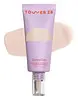
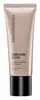
Tower 28 Beauty SunnyDays Tinted SPF 30 Versus bareMinerals Complexion Rescue Tinted Hydrating Gel Cream SPF30

What's inside
What's inside
 Key Ingredients
Benefits
Concerns
Ingredients Side-by-side
Zinc Oxide 12.6%
Cosmetic Colorant


Water
Skin ConditioningIsononyl Isononanoate
EmollientC9-12 Alkane
SolventButyloctyl Salicylate
Skin Conditioning
Polyglyceryl-6 Polyricinoleate
Emulsifying

Caprylic/Capric Triglyceride
Masking


Glycerin
Humectant
Ethylhexyl Methoxycrylene
Skin Conditioning
Trimethylsiloxysilicate
Emollient
Mica
Cosmetic ColorantPolyglyceryl-2 Isostearate
Emulsifying
Sodium Chloride
MaskingPhenoxyethanol
Preservative
Disteardimonium Hectorite
StabilisingPolyglyceryl-3 Polyricinoleate
Emulsifying
Polyhydroxystearic Acid
Emulsifying
Coco-Caprylate/Caprate
Emollient
Isostearic Acid
Cleansing

Lecithin
Emollient
Polyglyceryl-6 Polyhydroxystearate
Emulsifying
Jojoba Esters
Emollient
Ethylhexylglycerin
Skin ConditioningSodium Phytate
ChelatingAloe Barbadensis Leaf Water
MaskingCentella Asiatica Extract
Cleansing



Opuntia Tuna Fruit
Skin ConditioningSalvia Officinalis Extract
Antimicrobial
Iron Oxides
CI 77891
Cosmetic ColorantZinc Oxide 12.6%, Water, Isononyl Isononanoate, C9-12 Alkane, Butyloctyl Salicylate, Polyglyceryl-6 Polyricinoleate, Caprylic/Capric Triglyceride, Glycerin, Ethylhexyl Methoxycrylene, Trimethylsiloxysilicate, Mica, Polyglyceryl-2 Isostearate, Sodium Chloride, Phenoxyethanol, Disteardimonium Hectorite, Polyglyceryl-3 Polyricinoleate, Polyhydroxystearic Acid, Coco-Caprylate/Caprate, Isostearic Acid, Lecithin, Polyglyceryl-6 Polyhydroxystearate, Jojoba Esters, Ethylhexylglycerin, Sodium Phytate, Aloe Barbadensis Leaf Water, Centella Asiatica Extract, Opuntia Tuna Fruit, Salvia Officinalis Extract, Iron Oxides, CI 77891
Water
Skin ConditioningCoconut Alkanes
Emollient
Propanediol
Solvent
Titanium Dioxide
Cosmetic Colorant
Squalane
Emollient
Sorbitan Sesquiisostearate
Emulsifying
Isostearic Acid
Cleansing
Polysorbate 60
Emulsifying
Trehalose
Humectant
Glycerin
Humectant
Agar
MaskingSilica
Abrasive

Moringa Oleifera Seed Extract
Skin Conditioning
Salicornia Herbacea Extract
Skin ConditioningMelilotus Officinalis Extract
AstringentTheobroma Cacao Seed Extract
Antioxidant
Coco-Caprylate/Caprate
Emollient
Caprylic/Capric Triglyceride
Masking
Caffeine
Skin Conditioning
Lauroyl Lysine
Skin Conditioning
Succinoglycan
Skin ConditioningAluminum Hydroxide
EmollientHydrogen Dimethicone
Citric Acid
Buffering

Disodium Phosphate
BufferingAcetyl Tetrapeptide-5
Humectant
Butylene Glycol
Humectant
Polyglyceryl-4 Laurate/Succinate
Cellulose Gum
Emulsion StabilisingMagnesium Chloride
Calcium Chloride
AstringentPotassium Chloride
Sodium Hyaluronate
Humectant
Magnesium Stearate
Cosmetic ColorantPhenoxyethanol
Preservative
Mica
Cosmetic ColorantCI 77491
Cosmetic ColorantCI 77492
Cosmetic ColorantCI 77499
Cosmetic ColorantCI 77891
Cosmetic ColorantWater, Coconut Alkanes, Propanediol, Titanium Dioxide, Squalane, Sorbitan Sesquiisostearate, Isostearic Acid, Polysorbate 60, Trehalose, Glycerin, Agar, Silica, Moringa Oleifera Seed Extract, Salicornia Herbacea Extract, Melilotus Officinalis Extract, Theobroma Cacao Seed Extract, Coco-Caprylate/Caprate, Caprylic/Capric Triglyceride, Caffeine, Lauroyl Lysine, Succinoglycan, Aluminum Hydroxide, Hydrogen Dimethicone, Citric Acid, Disodium Phosphate, Acetyl Tetrapeptide-5, Butylene Glycol, Polyglyceryl-4 Laurate/Succinate, Cellulose Gum, Magnesium Chloride, Calcium Chloride, Potassium Chloride, Sodium Hyaluronate, Magnesium Stearate, Phenoxyethanol, Mica, CI 77491, CI 77492, CI 77499, CI 77891
Reviews
Ingredients Explained
These ingredients are found in both products.
Ingredients higher up in an ingredient list are typically present in a larger amount.
Caprylic/Capric Triglyceride (aka MCT Oil) is a lightweight emollient, solvent, and texture enhancer. It is considered a skin-softener by helping to prevent moisture loss.
Though it behaves like an oil, it is not technically one due to its chemical composition. One perk of this ingredient is that it is very stable, resistant to oxidation, and unlikely to go rancid.
In practice, that translates to a long shelf life and a consistently elegant skin feel.
While there is an assumption Caprylic Triglyceride can clog pores due to it being derived from coconut oil, there is no research supporting this. Just patch test if you have concerns.
Fractionated coconut oil and MCT Oil are both listed as Caprylic/Capric Triglyceride according to INCI. This is because INCI names are based on the ingredient’s final chemical composition and not its marketing name or source.
This ingredient is treated as the gold standard fungal acne safe oil. Even though it is coconut derived, the problematic lauric acid is stripped out.
This leaves just caprylic (C8) and capric (C10) acid. These chain lengths actually trend antifungal; a 2020 study found caprylic acid was enough to disrupt Malassezia furfur cell membrane, with a caprylic acid derivative damaging membrane structures at concentrations as low as 0.2%.
Learn more about Caprylic/Capric TriglycerideCi 77891 is a white pigment from Titanium dioxide. It is naturally found in minerals such as rutile and ilmenite.
It's main function is to add a white color to cosmetics. It can also be mixed with other colors to create different shades.
Ci 77891 is commonly found in sunscreens due to its ability to block UV rays.
Learn more about CI 77891Coco-Caprylate/Caprate is a lightweight ester created from coconut oil fatty acids, caprylic acid, and capric acid.
It is an emollient that helps soften skin and reduce transepidermal water loss (TEWL). What sets it apart from heavier emollients is its ultralight, non-greasy feel.
Once applied, this ingredient dries down quickly and leaves a dry, silky finish behind. This also helps improve spreadability and texture.
This ingredient has an excellent safety-record and is non-irritating.
Typical concentrations for cosmetics range from 0.5-62%.
Research on Malassezia growth found no growth on fatty acid esters with chain lengths shorter than 12 carbons (it prefers C11-24).
Since Coco-Caprylate/Caprate is built on C8 and C10 fatty acids, it is out of the range that Malassezia metabolizes, and therefore safe for fungal acne.
Learn more about Coco-Caprylate/CaprateGlycerin (or glycerol) is a compound naturally found in your skin. It's a powerhouse humectant that pulls water into the stratum corneum.
Topically, glycerin does several things at once:
Your skin makes glycerin on its own (mostly from sebaceous oil breakdown) and shuttles it to your outermost layer of skin, or your epidermis, via aquaporin-3.
Aquaporin-3 is a transporter that is essential for normal skin hydration, elasticity, and repair. Interestingly, mice lacking in AQP3 have dry and less elastic skin that can be fully corrected with glycerin.
This ingredient is non-irritating, plays well with almost every ingredient, and works across all skin types. Typical use is anywhere between 3-10% but can go up to 79% in some leave-on products.
Just know very high concentrations (>40%) can feel tacky in low humidity.
Glycerin is the name for this ingredient in American English. British English uses Glycerol/Glycerine.
Learn more about GlycerinIsostearic Acid is a fatty acid and a structural cousin of stearic acid. It is an emulsifier.
The branched structure of this ingredient enhances fluidity and gives it a lighter, less greasy feel compared to other fatty acids. It helps improve texture and consistency because it prevents oil and water phases from separating.
This ingredient is sourced from plant-based oils like soybean or rapeseed.
Clinical studies found no signs of irritation from this ingredient.
Since Isostearic Acid is an 18-carbon fatty acid, it is in the range that Malassezia can feed on. This ingredient may not be fungal acne safe.
You might have seen sources that this ingredient is comedogenic. The original comedogenic testing on rabbit ear actually tested the ester, Isopropyl Isostearate and not Isostearic acid itself.
Any finished product with this ingredient won't automatically make you break out; it really comes down to concentration, formula, and your skin.
Learn more about Isostearic AcidMica is a naturally occurring mineral used to add shimmer and color in cosmetics. It can also help improve the texture of a product or give it an opaque, white/silver color.
Serecite is the name for very fine but ragged grains of mica.
This ingredient is often coated with metal oxides like titanium dioxide. Trace amounts of heavy metals may be found in mica, but these metals are not harmful in our personal products.
Mica has been used since prehistoric times throughout the world. Ancient Egyptian, Indian, Greek, Roman, Aztec, and Chinese civilizations have used mica.
Learn more about MicaPhenoxyethanol is one of the most widely used preservatives in skincare (and for good reason!).
It has a large spectrum of antimicrobial activity and especially effective bacteria, yeast, and mold while only having a weak effect on your skin's natural microbiome.
On a cellular level, it disrupts the cell membranes of microbes by poking holes that make the cell leak. This shuts down the chemical reactions the microbe needs to make energy so it can no longer survive.
Another perk of this ingredient is that it stays functional across a wide pH range (3-10).
You'll often see it paired with boosters like Ethylhexylglycerin; one study showed that a 1:9 ratio of Ethylhexylglycerin to Phenoxyethanol damages bacterial membranes as effectively as doubling the Phenoxyethanol concentration on its own.
Typical use concentrations range from 0.3-1% depending on the formula, and this ingredient is capped at 1% int the EU.
Safety-wise, the fear mongering does not hold up to the evidence. The EU's Scientific Committee on Consumer Safety and FDA consider it safe as a preservative at up to 1%, including for children of all ages.
Adverse systemic effects only showed up in animal studies at exposures roughly 200x higher than what people get from cosmetics. And despite its very widespread use, this ingredient is a rare sensitizer and allergic reactions are uncommon.
Learn more about PhenoxyethanolWater. It's the most common cosmetic ingredient of all. You'll usually see it at the top of ingredient lists, meaning that it makes up the largest part of the product.
So why is it so popular? Water most often acts as a solvent - this means that it helps dissolve other ingredients into the formulation.
You'll also recognize water as that liquid we all need to stay alive. If you see this, drink a glass of water. Remember to stay hydrated!
Learn more about Water

