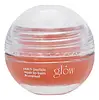
This anti-aging lip moisturizer is formulated around Copper Tripeptide-1 and Palmitoyl Pentapeptide-4 to soften the look of wrinkles and strengthen the lip barrier.

What's inside
What's inside
 Key Ingredients
Benefits
Concerns
Ingredients Side-by-side
Water
Skin ConditioningCyclopentasiloxane
Emollient
CI 77891
Cosmetic ColorantTrimethylsiloxysilicate
Emollient
Propanediol
Solvent

CI 77492
Cosmetic ColorantIsododecane
EmollientDiphenylsiloxy Phenyl Trimethicone
Skin Conditioning
Methyl Trimethicone
Skin Conditioning
Niacinamide
Smoothing










PEG-10 Dimethicone
Skin Conditioning
Dimethicone
Emollient
Octyldodecanol
Emollient
Polyglyceryl-3 Polydimethylsiloxyethyl Dimethicone
Skin Conditioning
PEG/PPG-18/18 Dimethicone
Emulsifying
1,2-Hexanediol
Skin Conditioning
Haematococcus Pluvialis Oil
Antioxidant

Hibiscus Sabdariffa Flower Extract
Skin ConditioningRosa Rugosa Flower Extract
Skin ConditioningPancratium Maritimum Extract
BleachingNymphaea Alba Flower Extract
Skin ConditioningPropolis Extract
Skin Conditioning
Magnesium Sulfate
Disteardimonium Hectorite
StabilisingAluminum Hydroxide
EmollientStearic Acid
Cleansing


Polyhydroxystearic Acid
Emulsifying
Triethoxycaprylylsilane
Alumina
Abrasive
Polyglyceryl-4 Isostearate
Emulsifying
Isopropyl Titanium Triisostearate
Emollient
Neopentyl Glycol Diethylhexanoate
Emollient
Adenosine
Skin Conditioning
Trisodium Ethylenediamine Disuccinate
ChelatingPolymethyl Methacrylate
Butylene Glycol
Humectant
Glycerin
Humectant
Dipropylene Glycol
HumectantSodium Palmitoyl Proline
Skin ConditioningCetearyl Dimethicone/Vinyl Dimethicone Crosspolymer
Emollient
Astaxanthin
Skin Conditioning
Potassium Sorbate
Preservative
Parfum
Masking



CI 77491
Cosmetic ColorantCI 77499
Cosmetic ColorantWater, Cyclopentasiloxane, CI 77891, Trimethylsiloxysilicate, Propanediol, CI 77492, Isododecane, Diphenylsiloxy Phenyl Trimethicone, Methyl Trimethicone, Niacinamide, PEG-10 Dimethicone, Dimethicone, Octyldodecanol, Polyglyceryl-3 Polydimethylsiloxyethyl Dimethicone, PEG/PPG-18/18 Dimethicone, 1,2-Hexanediol, Haematococcus Pluvialis Oil, Hibiscus Sabdariffa Flower Extract, Rosa Rugosa Flower Extract, Pancratium Maritimum Extract, Nymphaea Alba Flower Extract, Propolis Extract, Magnesium Sulfate, Disteardimonium Hectorite, Aluminum Hydroxide, Stearic Acid, Polyhydroxystearic Acid, Triethoxycaprylylsilane, Alumina, Polyglyceryl-4 Isostearate, Isopropyl Titanium Triisostearate, Neopentyl Glycol Diethylhexanoate, Adenosine, Trisodium Ethylenediamine Disuccinate, Polymethyl Methacrylate, Butylene Glycol, Glycerin, Dipropylene Glycol, Sodium Palmitoyl Proline, Cetearyl Dimethicone/Vinyl Dimethicone Crosspolymer, Astaxanthin, Potassium Sorbate, Parfum, CI 77491, CI 77499
Octyldodecanol
Emollient
Isononyl Isononanoate
EmollientPropylene Glycol Dibenzoate
Skin ConditioningPhenyl Trimethicone
Skin Conditioning
Bis-Behenyl/Isostearyl/Phytosteryl Dimer Dilinoleyl Dimer Dilinoleate
EmollientPolymethylsilsesquioxane
Dextrin Palmitate/Ethylhexanoate
Emulsifying
Trimethylsiloxyphenyl Dimethicone
Ethylcellulose
Dextrin Palmitate
Emulsifying
Silica Silylate
Emollient
1,2-Hexanediol
Skin Conditioning
Sorbitan Isostearate
Emulsifying
Lauryl Polyglyceryl-3 Polydimethylsiloxyethyl Dimethicone
Skin Conditioning
Caprylyl Glycol
Emollient
Ethylhexylglycerin
Skin ConditioningParfum
Masking
Linalool
Perfuming
Diisostearyl Malate
EmollientIron Oxides
CI 77491
Cosmetic ColorantLimonene
Perfuming
Water
Skin ConditioningAluminum Hydroxide
EmollientPropyl Gallate
Antioxidant
CI 17200
Cosmetic ColorantTocopherol
Antioxidant
Sorbitan Sesquioleate
Emulsifying
Leontopodium Alpinum Callus Culture Extract
Antioxidant
Prunus Persica Flower Extract
MoisturisingCopper Tripeptide-1
Skin Conditioning
Tripeptide-1
Skin Conditioning
Palmitoyl Pentapeptide-4
Skin Conditioning
Oligopeptide-1
Skin Conditioning
Dipeptide-2
Skin Conditioning
Octyldodecanol, Isononyl Isononanoate, Propylene Glycol Dibenzoate, Phenyl Trimethicone, Bis-Behenyl/Isostearyl/Phytosteryl Dimer Dilinoleyl Dimer Dilinoleate, Polymethylsilsesquioxane, Dextrin Palmitate/Ethylhexanoate, Trimethylsiloxyphenyl Dimethicone, Ethylcellulose, Dextrin Palmitate, Silica Silylate, 1,2-Hexanediol, Sorbitan Isostearate, Lauryl Polyglyceryl-3 Polydimethylsiloxyethyl Dimethicone, Caprylyl Glycol, Ethylhexylglycerin, Parfum, Linalool, Diisostearyl Malate, Iron Oxides, CI 77491, Limonene, Water, Aluminum Hydroxide, Propyl Gallate, CI 17200, Tocopherol, Sorbitan Sesquioleate, Leontopodium Alpinum Callus Culture Extract, Prunus Persica Flower Extract, Copper Tripeptide-1, Tripeptide-1, Palmitoyl Pentapeptide-4, Oligopeptide-1, Dipeptide-2
Reviews
Ingredients Explained
These ingredients are found in both products.
Ingredients higher up in an ingredient list are typically present in a larger amount.
1,2-Hexanediol is a synthetic liquid and another multi-functional powerhouse.
It is a:
- Humectant, drawing moisture into the skin
- Emollient, helping to soften skin
- Solvent, dispersing and stabilizing formulas
- Preservative booster, enhancing the antimicrobial activity of other preservatives
Aluminum Hydroxide is a form of aluminum. It can be naturally found in nature as the mineral gibbsite. In cosmetics, Aluminum Hydroxide is used as a colorant, pH adjuster, and absorbent.
As a colorant, Aluminum Hydroxide may add opacity, or reduce the transparency. Aluminum hydroxide is contains both basic and acidic properties.
According to manufacturers, this ingredient is an emollient and humectant. This means it helps hydrate the skin.
In medicine, this ingredient is used to help relieve heartburn and help heal ulcers.
There is currently no credible scientific evidence linking aluminum hydroxide in cosmetics to increased cancer risk.
Major health organizations allow the use of aluminum hydroxide in personal care products and have not flagged it as a carcinogenic risk at typical usage levels.
Learn more about Aluminum HydroxideCi 77491 is also hydrated iron III oxide. It's sole purpose is to give a red/pink hue to products.
Iron III oxides are classified as inorganic chemicals for coloring.
Synthetically created Ci 77491 is considered safer than those naturally found. This is because the synthetically created version may contain less impurities. Iron oxides are generally non-toxic and non-allergenic.
Learn more about CI 77491Octyldodecanol is a fatty alcohol sourced from plant oils like coconut or palm (or made synthetically).
It is:
You'll likely see this in many BHA products because this is the go-to solvent for salicylic acid.
This ingredient is typically used at levels between 2-20%.
Regarding fungal acne:
In 2019, this ingredient was tested against multiple Malassezia species (the yeast that causes fungal acne) and showed no growth.
Parfum is a catch-all term for an ingredient or more that is used to give a scent to products.
Also called "fragrance", this ingredient can be a blend of hundreds of chemicals or plant oils. This means every product with "fragrance" or "parfum" in the ingredients list is a different mixture.
For instance, Habanolide is a proprietary trade name for a specific aroma chemical. When used as a fragrance ingredient in cosmetics, most aroma chemicals fall under the broad labeling category of “FRAGRANCE” or “PARFUM” according to EU and US regulations.
The term 'parfum' or 'fragrance' is not regulated in many countries. In many cases, it is up to the brand to define this term.
For instance, many brands choose to label themselves as "fragrance-free" because they are not using synthetic fragrances. However, their products may still contain ingredients such as essential oils that are considered a fragrance by INCI standards.
One example is Calendula flower extract. Calendula is an essential oil that still imparts a scent or 'fragrance'.
Depending on the blend, the ingredients in the mixture can cause allergies and sensitivities on the skin. Some ingredients that are known EU allergens include linalool and citronellol.
Parfum can also be used to mask or cover an unpleasant scent.
The bottom line is: not all fragrances/parfum/ingredients are created equally. If you are worried about fragrances, we recommend taking a closer look at an ingredient. And of course, we always recommend speaking with a professional.
Learn more about ParfumWater. It's the most common cosmetic ingredient of all. You'll usually see it at the top of ingredient lists, meaning that it makes up the largest part of the product.
So why is it so popular? Water most often acts as a solvent - this means that it helps dissolve other ingredients into the formulation.
You'll also recognize water as that liquid we all need to stay alive. If you see this, drink a glass of water. Remember to stay hydrated!
Learn more about Water

