
What's inside
What's inside
 Key Ingredients
Benefits
Concerns
Ingredients Side-by-side
CI 77891
Cosmetic ColorantCaprylic/Capric Triglyceride
Masking


Polyisobutene
Mica
Cosmetic ColorantIsodecyl Neopentanoate
EmollientDiisostearyl Malate
EmollientHydrogenated Castor Oil
Emollient


Dipentaerythrityl Hexahydroxystearate/Hexastearate/Hexarosinate
Skin ConditioningMethyl Methacrylate Crosspolymer

Butyloctyl Salicylate
Skin Conditioning

CI 77492
Cosmetic ColorantParaffin
Skin Conditioning
Aluminum Hydroxide
Emollient1,2-Hexanediol
Skin Conditioning
Sorbitan Sesquioleate
Emulsifying
Microcrystalline Wax
Emulsion StabilisingCI 77491
Cosmetic ColorantMethicone
Emollient
CI 77499
Cosmetic ColorantCaprylyl Glycol
Emollient
Squalane
Emollient
Parfum
Masking


Prunus Amygdalus Dulcis Oil
Skin Conditioning
Water
Skin ConditioningBHT
Antioxidant
Butylene Glycol
Humectant
Aspalathus Linearis Leaf Extract
Skin ConditioningThymus Vulgaris Extract
Perfuming
Foeniculum Vulgare Leaf Extract
HumectantLinalool
Perfuming
Limonene
Perfuming
Hexyl Cinnamal
Perfuming
Titanium Dioxide
Cosmetic Colorant
CI 77288
Cosmetic ColorantAlpha-Isomethyl Ionone
Perfuming
CI 77891, Caprylic/Capric Triglyceride, Polyisobutene, Mica, Isodecyl Neopentanoate, Diisostearyl Malate, Hydrogenated Castor Oil, Dipentaerythrityl Hexahydroxystearate/Hexastearate/Hexarosinate, Methyl Methacrylate Crosspolymer, Butyloctyl Salicylate, CI 77492, Paraffin, Aluminum Hydroxide, 1,2-Hexanediol, Sorbitan Sesquioleate, Microcrystalline Wax, CI 77491, Methicone, CI 77499, Caprylyl Glycol, Squalane, Parfum, Prunus Amygdalus Dulcis Oil, Water, BHT, Butylene Glycol, Aspalathus Linearis Leaf Extract, Thymus Vulgaris Extract, Foeniculum Vulgare Leaf Extract, Linalool, Limonene, Hexyl Cinnamal, Titanium Dioxide, CI 77288, Alpha-Isomethyl Ionone
Titanium Dioxide
Cosmetic Colorant
Dimethicone
Emollient
Phenyl Trimethicone
Skin Conditioning
Isoamyl Laurate
Emollient
Isononyl Isononanoate
EmollientSynthetic Wax
Abrasive

Hydrogenated Polyisobutene
EmollientBis-Diglyceryl Polyacyladipate-2
Emollient
Aluminum Starch Octenylsuccinate
Absorbent
Microcrystalline Wax
Emulsion StabilisingPolymethylsilsesquioxane
Sorbitan Oleate
Emulsifying
CI 77492
Cosmetic ColorantMica
Cosmetic ColorantSilica
Abrasive
Hydrogenated Polydecene
EmollientVp/Hexadecene Copolymer
Polyglyceryl-6 Polyricinoleate
Emulsifying
Dipentaerythrityl Hexahydroxystearate/Hexastearate/Hexarosinate
Skin ConditioningSorbitan Sesquioleate
Emulsifying
Triethoxycaprylylsilane
CI 77491
Cosmetic ColorantAluminum Hydroxide
EmollientGlyceryl Caprylate
EmollientCaprylyl Glycol
Emollient
Disteardimonium Hectorite
StabilisingIron Oxides
Squalane
Emollient
Water
Skin ConditioningGlycerin
Humectant
Portulaca Oleracea Extract
Skin Conditioning

Butylene Glycol
Humectant
Caprylic/Capric Triglyceride
Masking
Ceramide NP
Skin Conditioning
Hydrogenated Lecithin
Emulsifying
1,2-Hexanediol
Skin Conditioning
Sodium Hyaluronate
Humectant
Centella Asiatica Extract
Cleansing
Sorbitan Olivate
Emulsifying
CI 77499
Cosmetic ColorantCI 77288
Cosmetic ColorantTitanium Dioxide, Dimethicone, Phenyl Trimethicone, Isoamyl Laurate, Isononyl Isononanoate, Synthetic Wax, Hydrogenated Polyisobutene, Bis-Diglyceryl Polyacyladipate-2, Aluminum Starch Octenylsuccinate, Microcrystalline Wax, Polymethylsilsesquioxane, Sorbitan Oleate, CI 77492, Mica, Silica, Hydrogenated Polydecene, Vp/Hexadecene Copolymer, Polyglyceryl-6 Polyricinoleate, Dipentaerythrityl Hexahydroxystearate/Hexastearate/Hexarosinate, Sorbitan Sesquioleate, Triethoxycaprylylsilane, CI 77491, Aluminum Hydroxide, Glyceryl Caprylate, Caprylyl Glycol, Disteardimonium Hectorite, Iron Oxides, Squalane, Water, Glycerin, Portulaca Oleracea Extract, Butylene Glycol, Caprylic/Capric Triglyceride, Ceramide NP, Hydrogenated Lecithin, 1,2-Hexanediol, Sodium Hyaluronate, Centella Asiatica Extract, Sorbitan Olivate, CI 77499, CI 77288
Reviews
Ingredients Explained
These ingredients are found in both products.
Ingredients higher up in an ingredient list are typically present in a larger amount.
1,2-Hexanediol is a synthetic liquid and another multi-functional powerhouse.
It is a:
- Humectant, drawing moisture into the skin
- Emollient, helping to soften skin
- Solvent, dispersing and stabilizing formulas
- Preservative booster, enhancing the antimicrobial activity of other preservatives
Aluminum Hydroxide is a form of aluminum. It can be naturally found in nature as the mineral gibbsite. In cosmetics, Aluminum Hydroxide is used as a colorant, pH adjuster, and absorbent.
As a colorant, Aluminum Hydroxide may add opacity, or reduce the transparency. Aluminum hydroxide is contains both basic and acidic properties.
According to manufacturers, this ingredient is an emollient and humectant. This means it helps hydrate the skin.
In medicine, this ingredient is used to help relieve heartburn and help heal ulcers.
There is currently no credible scientific evidence linking aluminum hydroxide in cosmetics to increased cancer risk.
Major health organizations allow the use of aluminum hydroxide in personal care products and have not flagged it as a carcinogenic risk at typical usage levels.
Learn more about Aluminum HydroxideButylene Glycol (or BG) is used within cosmetic products for a few different reasons:
Overall, Butylene Glycol is a safe and well-rounded ingredient that works well with other ingredients.
Though this ingredient works well with most skin types, some people with sensitive skin may experience a reaction such as allergic rashes, closed comedones, or itchiness.
Learn more about Butylene GlycolCaprylic/Capric Triglyceride (aka MCT Oil) is a lightweight emollient, solvent, and texture enhancer. It is considered a skin-softener by helping to prevent moisture loss.
Though it behaves like an oil, it is not technically one due to its chemical composition. One perk of this ingredient is that it is very stable, resistant to oxidation, and unlikely to go rancid.
In practice, that translates to a long shelf life and a consistently elegant skin feel.
While there is an assumption Caprylic Triglyceride can clog pores due to it being derived from coconut oil, there is no research supporting this. Just patch test if you have concerns.
Fractionated coconut oil and MCT Oil are both listed as Caprylic/Capric Triglyceride according to INCI. This is because INCI names are based on the ingredient’s final chemical composition and not its marketing name or source.
This ingredient is treated as the gold standard fungal acne safe oil. Even though it is coconut derived, the problematic lauric acid is stripped out.
This leaves just caprylic (C8) and capric (C10) acid. These chain lengths actually trend antifungal; a 2020 study found caprylic acid was enough to disrupt Malassezia furfur cell membrane, with a caprylic acid derivative damaging membrane structures at concentrations as low as 0.2%.
Learn more about Caprylic/Capric TriglycerideCaprylyl Glycol is a humectant, skin conditioner, emollient, and preservative booster derived from either caprylic acid or synthetically created.
Typical use levels vary from 0.3-1% as a preservative booster and go up to 2% to condition skin.
Because it is not a free-fatty acid, this ingredient is fungal acne safe (there's nothing for Malassezia to feed on).
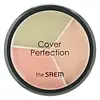
Learn more about Caprylyl GlycolCi 77288 is used to add green pigment to products.
Ci 77491 is also hydrated iron III oxide. It's sole purpose is to give a red/pink hue to products.
Iron III oxides are classified as inorganic chemicals for coloring.
Synthetically created Ci 77491 is considered safer than those naturally found. This is because the synthetically created version may contain less impurities. Iron oxides are generally non-toxic and non-allergenic.
Learn more about CI 77491CI 77492 is also hydrated iron III oxide. It's sole purpose is to give a yellow hue to products.
Iron III oxides are classified as inorganic chemicals for coloring.
Synthetically created CI 77492 is considered safer than those naturally found. This is because the synthetically created version may contain less impurities. Iron oxides are generally non-toxic and non-allergenic.
Learn more about CI 77492Ci 77499 is also hydrated iron III oxide. It is created from mixing red and black iron oxides. This helps give shades of darkness to a product.
Iron III oxides are classified as inorganic chemicals for coloring.
This ingredient is a high molecular weight fatty acid ester. It has skin conditioning properties and is also used as an emollient, texture enhancer, and viscosity emulsifier.
Mica is a naturally occurring mineral used to add shimmer and color in cosmetics. It can also help improve the texture of a product or give it an opaque, white/silver color.
Serecite is the name for very fine but ragged grains of mica.
This ingredient is often coated with metal oxides like titanium dioxide. Trace amounts of heavy metals may be found in mica, but these metals are not harmful in our personal products.
Mica has been used since prehistoric times throughout the world. Ancient Egyptian, Indian, Greek, Roman, Aztec, and Chinese civilizations have used mica.
Learn more about MicaMicrocrystalline Wax is derived from petroleum through a de-oiling process, then highly refined and purified before use in cosmetics.
In skincare formulations, it is used to improve texture and create a smooth, even consistency. It also helps stabilize products by preventing ingredients from separating.
Sorbitan Sesquioleate is derived from sorbitol and oleic acid. It is an emulsifier and prevents ingredients from separating.
Specifically, this ingredient is a water-in-oil emulsifier, meaning it helps water dissolve into oil.
Some studies suggest this ingredient may cause irritation in some people. If you are unsure, it is best to patch test.
This ingredient may not be Malassezia folliculitis, or fungal-acne safe due to the oleic acid. In vitro studies have shown that Oleic Acid is one of the fatty acids that induce rapid Malassezia growth in lab settings.
This ingredient does have a comedogenic rating of 0-1. The original test stated 0-1 meant an ingredient is unlikely to cause comedones.
Just remember human testing has proved that any finished product with a comedogenic ingredient won't automatically make you break out; it really comes down to concentration, formula, and your skin.
Learn more about Sorbitan SesquioleateSqualane is the hydrogenated and shelf-stable form of squalene (a lipid that naturally occurs in human sebum).
It is an emollient and skin conditioning agent that is able to integrate seamlessly into the skin's lipid barrier without clogging pores.
This is due to how structurally similar it is to what your skin already produces.
Though it is mostly an emollient that helps soften and hydrate skin, it also has some humectant and occlusive action. Humectants help the skin retain moisture while occlusives seal it in, making squalane a triple-threat moisturizer.
Research shows it has antioxidant capabilities that help protect against stressors like UV exposure, specifically UVA induced oxidative stress. This study also found that it supports collagen biosynthesis in human dermal fibroblasts.
No clinical study has reported significant adverse effects and irritation reactions are very rare from this ingredient (even at 100% concentration).
Overall, it's a fantastic ingredient for hydration and is suitable for all skin types.
This depends on the source. Squalane can be derived from both plants and animals. Most squalane used in skincare comes from plants.
Please note: the source of squalane is only known if disclosed by the brand. We recommend reaching out to the brand if you have any questions about their squalane.
Read more about squalene with an "e".
Though squalane is often called an oil, it’s technically not one. It is a hydrocarbon, meaning it is only made of carbon and hydrogen. True oils are triglycerides and made of fatty acids and glycerol.
The term “oil-free” isn’t regulated so companies can define it however they want. Some exclude all oils, while others just avoid mineral oil or comedogenic oils.
Squalane has a comedogenic rating of 1 from the original 1972 study that tested raw ingredients under occlusion on rabbit ears. This system is not standardized or peer-reviewed, and using the raw ingredients is very different from how diluted cosmetic formulations are used on human skin.
A comedogenic rating of 1 means it is "unlikely to clog pores" according to the original rating system.
The overall formula of a product matters more than the individual ingredients on whether or not it will cause clogged pores.
Learn more about SqualaneTitanium Dioxide (TD) is a mineral UV filter widely used in sunscreens and cosmetics.
It's one of only two UV filters officially classified as "mineral" by regulatory agencies (the other being Zinc Oxide).
A really common myth is that mineral filters work by reflecting UV light off your skin like tiny mirrors.
They don't only do that; modern research shows TD protects mostly by absorbing UV radiation, the same way chemical filters do.
When researchers measured this, reflection accounted for only about 4-5% of the protection (and less than SPF 2 on its own). The other ~95% comes from absorption: the UV photons hit the particle and their energy gets soaked up by its semiconductor band gap rather than bouncing off.
So "reflects vs. absorbs" was never really the right way to split mineral from chemical filters.
TD gives broad-spectrum protection that's strongest in the UVB and UVA-2 range and weaker in the UVA-1 range. Its UVA protection isn't quite as strong as Zinc Oxide's which is why you'll often see the two paired together.
Together, they make a solid broad-spectrum system.
TD is a great pick for sensitive, acne-prone, or redness-prone skin because it's non-irritating and chemically inert. Regulatory reviews classify it as a non-sensitizer and mild-to-non-irritant.
It's also unlikely to cause the "eye sting" some chemical filters are known for.
The main trade-off is cosmetic; TD can leave a white cast and has a thicker texture. This is why mineral sunscreens are often less cosmetically elegant than chemical or hybrid formulas (and harder to shade-match on deeper skin tones).
Formulators often use micronized or nano-sized TD to cut down on white case and improve spreadability. Smaller particles scatter less visible light so the formula looks less chalky while still filtering UV.
TD is almost always bundled with coatings like Alumina, Silica, Stearic Acid, or Dimethicone. These coatings do two important jobs:
TD can be used at up to 25% in a finished sunscreen; this is the regulatory ceiling in both the US and the EU.
In practice, the amount in any given product varies a lot depending on the target SPF and whether it's paired with other UV filters.
TD is one of the most heavily vetted sunscreen ingredients out there. It is approved as a UV filter in all major markets worldwide, including the US, EU, UK, Japan, Korea, China, Australia, and Canada.
The safety evidence is solid. There was an old worry that nano particles might absorb through skin into the body but multiple studies (including on damaged, sunburned, and UV-irradiated skin) have shown that TD stays on the surface and the layer of dead skin cells on top of everything else.
There's also no evidence of carcinogenicity, mutagenicity, or reproductive toxicity from dermal exposure of this ingredient.
For those who have seen the headline about a 2022 EU ban on TD, that was on TD as a food additive (a complete separate use from topical sunscreen).
There are ongoing questions about how nano-TD might affect marine ecosystems. As of now, there has been no conclusive evidence that any form of TD (or any other sunscreen filter) harms coral reefs or marine life.
The science is still developing and it's a space worth watching rather than packing over.
However, several destinations have reef-safety sunscreen rules that restrict certain chemical filters and steer visitors toward mineral, non-nano options. If you're traveling somewhere with these rules, a non-nano mineral sunscreen is the safe bet.
Learn more about Titanium DioxideWater. It's the most common cosmetic ingredient of all. You'll usually see it at the top of ingredient lists, meaning that it makes up the largest part of the product.
So why is it so popular? Water most often acts as a solvent - this means that it helps dissolve other ingredients into the formulation.
You'll also recognize water as that liquid we all need to stay alive. If you see this, drink a glass of water. Remember to stay hydrated!
Learn more about Water

