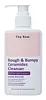
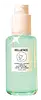
The Raw Rough and Bumpy Ceramides Cleanser Versus HOLLAFACE Refreshing Facial Cleanser (Blueprint Edition)
This salicylic acid gel cleanser is formulated around Salicylic Acid to clear breakouts and unclog pores.
This mild gel cleanser is made to cleanse without leaving your skin tight or dry.

What's inside
What's inside
 Key Ingredients
Benefits
Concerns
Ingredients Side-by-side
Water
Skin ConditioningSodium Laureth Sulfate
Cleansing



Propylene Glycol
Humectant

Cocamidopropyl Betaine
Cleansing
Disodium Laureth Sulfosuccinate
CleansingGlycerin
Humectant

Hydroxyethylcellulose
Emulsion StabilisingNiacinamide 1%
Smoothing









Ceramide EOP
Skin Conditioning
Ceramide Ns
Skin Conditioning
Ceramide NP
Skin Conditioning
Ceramide As
Skin Conditioning
Ceramide AP
Skin Conditioning
Hydrolyzed Centella Asiatica Extract
Antioxidant
Polygonum Cuspidatum Root Extract
Antioxidant
Scutellaria Baicalensis Root Extract
Astringent
Camellia Sinensis Leaf Extract
Antimicrobial
Glycyrrhiza Glabra Root Extract
Bleaching
Chamomilla Recutita Flower Extract
Masking
Rosmarinus Officinalis Leaf Extract
AntimicrobialAlpha-Glucan Oligosaccharide
Cleansing
Dipotassium Glycyrrhizate
Humectant
Hyaluronic Acid
Humectant
Panthenol
Skin Conditioning
1,2-Butanediol
HumectantCaprylyl Glycol
Emollient
Butylene Glycol
Humectant
Cholesterol
Emollient
Hydrogenated Lecithin
Emulsifying
Glyceryl Stearate
Emollient
Dipropylene Glycol
HumectantHydroxyacetophenone
Antioxidant
Salicylic Acid 0.5%
Masking

Lactic Acid
Buffering
Tetrasodium EDTA
ChelatingMethylchloroisothiazolinone
Preservative
Methylisothiazolinone
Preservative
Water, Sodium Laureth Sulfate, Propylene Glycol, Cocamidopropyl Betaine, Disodium Laureth Sulfosuccinate, Glycerin, Hydroxyethylcellulose, Niacinamide 1%, Ceramide EOP, Ceramide Ns, Ceramide NP, Ceramide As, Ceramide AP, Hydrolyzed Centella Asiatica Extract, Polygonum Cuspidatum Root Extract, Scutellaria Baicalensis Root Extract, Camellia Sinensis Leaf Extract, Glycyrrhiza Glabra Root Extract, Chamomilla Recutita Flower Extract, Rosmarinus Officinalis Leaf Extract, Alpha-Glucan Oligosaccharide, Dipotassium Glycyrrhizate, Hyaluronic Acid, Panthenol, 1,2-Butanediol, Caprylyl Glycol, Butylene Glycol, Cholesterol, Hydrogenated Lecithin, Glyceryl Stearate, Dipropylene Glycol, Hydroxyacetophenone, Salicylic Acid 0.5%, Lactic Acid, Tetrasodium EDTA, Methylchloroisothiazolinone, Methylisothiazolinone
Water
Skin ConditioningDisodium Cocoamphodiacetate
CleansingCocamidopropyl Betaine
Cleansing
Acrylates Copolymer
Glycerin
Humectant
Sodium Cocoyl Glutamate
Cleansing
Sodium Cocoyl Isethionate
Cleansing
Polyquaternium-7
Phenoxyethanol
Preservative
Menthol
Masking
Panthenol
Skin Conditioning
Polysorbate 20
Emulsifying
Ethylhexylglycerin
Skin ConditioningMentha Piperita Oil
Masking


Camellia Sinensis Leaf Extract
Antimicrobial
1,2-Hexanediol
Skin Conditioning
Citrullus Lanatus Fruit Extract
Skin Conditioning
Pyrus Malus Fruit Extract
Skin Conditioning
Lens Esculenta Fruit Extract
Skin ConditioningSodium Lactate
Buffering
Sodium PCA
Humectant
Sodium Hyaluronate
Humectant
Propylene Glycol
Humectant
Caviar Extract
Skin ConditioningWater, Disodium Cocoamphodiacetate, Cocamidopropyl Betaine, Acrylates Copolymer, Glycerin, Sodium Cocoyl Glutamate, Sodium Cocoyl Isethionate, Polyquaternium-7, Phenoxyethanol, Menthol, Panthenol, Polysorbate 20, Ethylhexylglycerin, Mentha Piperita Oil, Camellia Sinensis Leaf Extract, 1,2-Hexanediol, Citrullus Lanatus Fruit Extract, Pyrus Malus Fruit Extract, Lens Esculenta Fruit Extract, Sodium Lactate, Sodium PCA, Sodium Hyaluronate, Propylene Glycol, Caviar Extract
Reviews
Ingredients Explained
These ingredients are found in both products.
Ingredients higher up in an ingredient list are typically present in a larger amount.
Camellia Sinensis Leaf Extract (tea extract) is one of the most well-researched plant extracts in skincare with an impressive resume.
Black tea, green tea, and oolong tea are all harvested from the Camellia Sinensis plant.
Studies show green tea extract and its catechins (like epigallocatechin gallate (EGCG)) help your skin cells product energy more efficiently and reducing the number of free-radicals that can damage your skin from the inside.
In lab-grown skin models, this translated to younger, healthier, and stronger skin.
There's also good sun protection data; researchers saw less DNA damage and redness on human skin when green tea was applied before UVB exposure. And the more they applied, the better the protection.
Needless to say, this ingredient shouldn't replace your sunscreen. But it is a great supportive ingredient that you can already find in many sunscreens and antioxidant serums.
A 2009 study found a 2% green tea lotion was effective for mild-to-moderate acne thanks to its anti-inflammatory and mild antimicrobial activity.
The quality of the extract matters a lot here:
Good extracts contain 50-90% catechins while lower quality ones are mostly there for marketing. We recommend reaching out to the brand if you have questions about the quality or source of their ingredients.
Human Repeated Insult Patch Testing showed no irritation or sensitization at use concentrations (0.86% in leave-on products and up to 30% as leaf water).
Learn more about Camellia Sinensis Leaf ExtractCocamidopropyl Betaine is a fatty acid created by mixing similar compounds in coconut oil and dimethylaminopropylamine, a compound with two amino groups.
This ingredient is a surfactant and cleanser. It helps gather the dirt, pollutants, and other impurities in your skin to be washed away. It also helps thicken a product and make the texture more creamy.
Being created from coconut oil means Cocamidopropyl Betaine is hydrating for the skin.
While Cocamidopropyl Betaine was believed to be an allergen, a study from 2012 disproved this. It found two compounds in unpure Cocamidopropyl Betaine to be the irritants: aminoamide and 3-dimethylaminopropylamine. High-grade and pure Cocamidopropyl Betaine did not induce allergic reactions during this study.
Learn more about Cocamidopropyl BetaineGlycerin (or glycerol) is a compound naturally found in your skin. It's a powerhouse humectant that pulls water into the stratum corneum.
Topically, glycerin does several things at once:
Your skin makes glycerin on its own (mostly from sebaceous oil breakdown) and shuttles it to your outermost layer of skin, or your epidermis, via aquaporin-3.
Aquaporin-3 is a transporter that is essential for normal skin hydration, elasticity, and repair. Interestingly, mice lacking in AQP3 have dry and less elastic skin that can be fully corrected with glycerin.
This ingredient is non-irritating, plays well with almost every ingredient, and works across all skin types. Typical use is anywhere between 3-10% but can go up to 79% in some leave-on products.
Just know very high concentrations (>40%) can feel tacky in low humidity.
Glycerin is the name for this ingredient in American English. British English uses Glycerol/Glycerine.
Learn more about GlycerinPanthenol is a common ingredient that helps hydrate and soothe the skin. It is found naturally in our skin and hair.
There are two forms of panthenol: D and L.
D-panthenol is also known as dexpanthenol. Most cosmetics use dexpanthenol or a mixture of D and L-panthenol.
Panthenol is famous due to its ability to go deeper into the skin's layers. Using this ingredient has numerous pros (and no cons):
Like hyaluronic acid, panthenol is a humectant. Humectants are able to bind and hold large amounts of water to keep skin hydrated.
This ingredient works well for wound healing. It works by increasing tissue in the wound and helps close open wounds.
Once oxidized, panthenol converts to pantothenic acid. Panthothenic acid is found in all living cells.
This ingredient is also referred to as pro-vitamin B5.
Learn more about PanthenolPropylene Glycol is a synthetic, colorless, odorless liquid that has been a staple in cosmetics for decades. It is a skin conditioning agent, humectant, and solvent.
As a humectant, it draw water to the skin to reduce flaking and restore suppleness. It's also a solvent that helps dissolve other actives and keeps formulas stable across temperature changes.
The CIR Expert Panel has confirmed this ingredient to be nontoxic and clinical studies show no sensitization at cosmetic use concentrations.
True allergic reactions are quite rare: a 15-year retrospective study of 6,751 patients found only 0.31% had a positive reaction (and less than half were considered clinically relevant).
It seemed that when sensitization does occur, it's most commonly linked to topical medication (like corticosteroids) and not cosmetics. Allergic contact dermatitis also appears largely limited to individuals with underlying skin conditions.
Overall, propylene glycol is a well-studied ingredient that most people can tolerate without issue.
Learn more about Propylene GlycolWater. It's the most common cosmetic ingredient of all. You'll usually see it at the top of ingredient lists, meaning that it makes up the largest part of the product.
So why is it so popular? Water most often acts as a solvent - this means that it helps dissolve other ingredients into the formulation.
You'll also recognize water as that liquid we all need to stay alive. If you see this, drink a glass of water. Remember to stay hydrated!
Learn more about Water

