The Ordinary "Buffet" Versus Hylamide SubQ Skin
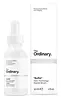
This anti-aging serum is formulated around Lactococcus Ferment Lysate and Acetyl Hexapeptide-8 to soften the look of wrinkles.
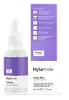
This anti-aging serum is formulated around Palmitoyl Tripeptide-38 and Sodium Hyaluronate Crosspolymer to soften the look of wrinkles and hydrate skin.

What's inside
What's inside
 Key Ingredients
Benefits
Concerns
Ingredients Side-by-side
Water
Skin ConditioningGlycerin
Humectant


Lactococcus Ferment Lysate
Skin Conditioning
Acetyl Hexapeptide-8
Humectant

Pentapeptide-18
Skin Conditioning
Palmitoyl Tripeptide-1
Skin Conditioning
Palmitoyl Tetrapeptide-7
Skin Conditioning
Palmitoyl Tripeptide-38
Skin Conditioning
Dipeptide Diaminobutyroyl Benzylamide Diacetate
Skin Conditioning
Acetylarginyltryptophyl Diphenylglycine
Skin ConditioningSodium Hyaluronate Crosspolymer
Humectant
Sodium Hyaluronate
Humectant
Allantoin
Skin Conditioning
Glycine
Buffering
Alanine
Masking
Serine
Masking
Valine
MaskingIsoleucine
Skin ConditioningProline
Skin Conditioning
Threonine
Histidine
Humectant
Phenylalanine
Masking
Arginine
Masking
Aspartic Acid
Masking
Trehalose
Humectant
Fructose
Humectant
Glucose
Humectant
Maltose
MaskingUrea
Buffering
Sodium PCA
Humectant
PCA
Humectant
Sodium Lactate
Buffering
Citric Acid
Buffering


Hydroxypropyl Cyclodextrin
MaskingSodium Chloride
MaskingSodium Hydroxide
BufferingButylene Glycol
Humectant
Pentylene Glycol
Skin Conditioning
Acacia Senegal Gum
MaskingXanthan Gum
EmulsifyingCarbomer
Emulsion StabilisingPolysorbate 20
Emulsifying
PPG-26-Buteth-26
Skin ConditioningPEG-40 Hydrogenated Castor Oil
Emulsifying
Trisodium Ethylenediamine Disuccinate
ChelatingEthoxydiglycol
HumectantSodium Benzoate
Masking
Caprylyl Glycol
Emollient
Ethylhexylglycerin
Skin ConditioningPhenoxyethanol
Preservative
Chlorphenesin
Antimicrobial
Water, Glycerin, Lactococcus Ferment Lysate, Acetyl Hexapeptide-8, Pentapeptide-18, Palmitoyl Tripeptide-1, Palmitoyl Tetrapeptide-7, Palmitoyl Tripeptide-38, Dipeptide Diaminobutyroyl Benzylamide Diacetate, Acetylarginyltryptophyl Diphenylglycine, Sodium Hyaluronate Crosspolymer, Sodium Hyaluronate, Allantoin, Glycine, Alanine, Serine, Valine, Isoleucine, Proline, Threonine, Histidine, Phenylalanine, Arginine, Aspartic Acid, Trehalose, Fructose, Glucose, Maltose, Urea, Sodium PCA, PCA, Sodium Lactate, Citric Acid, Hydroxypropyl Cyclodextrin, Sodium Chloride, Sodium Hydroxide, Butylene Glycol, Pentylene Glycol, Acacia Senegal Gum, Xanthan Gum, Carbomer, Polysorbate 20, PPG-26-Buteth-26, PEG-40 Hydrogenated Castor Oil, Trisodium Ethylenediamine Disuccinate, Ethoxydiglycol, Sodium Benzoate, Caprylyl Glycol, Ethylhexylglycerin, Phenoxyethanol, Chlorphenesin
Water
Skin ConditioningGlycerin
Humectant
Hydrolyzed Yeast Extract
Skin ConditioningPentylene Glycol
Skin Conditioning
Tamarindus Indica Seed Gum
Emulsion Stabilising
Sodium Hyaluronate Crosspolymer
Humectant
Palmitoyl Tripeptide-38
Skin Conditioning
Myristoyl Nonapeptide-3
Skin Conditioning
Copper Lysinate/Prolinate
Skin ConditioningMethylglucoside Phosphate
Skin ConditioningHydrolyzed Sodium Hyaluronate
Skin Conditioning
Sodium Hyaluronate
Humectant
Ahnfeltia Concinna Extract
Skin ConditioningSaccharide Isomerate
Humectant
Polyglucuronic Acid
Skin ConditioningLactobacillus/Eriodictyon Californicum Ferment Extract
Skin ConditioningPseudoalteromonas Ferment Extract
Humectant
Phospholipids
Skin Conditioning
Lecithin
Emollient
Hydroxypropyl Cyclodextrin
MaskingCetyl Hydroxyethylcellulose
Emulsion StabilisingPolyacrylate Crosspolymer-6
Emulsion StabilisingHexylene Glycol
EmulsifyingSalicylic Acid
Masking






Citric Acid
Buffering
Sodium Citrate
BufferingSodium Hydroxide
BufferingTrisodium Ethylenediamine Disuccinate
ChelatingEthoxydiglycol
HumectantLeuconostoc/Radish Root Ferment Filtrate
Antimicrobial
Sodium Benzoate
Masking
Potassium Sorbate
Preservative
Ethylhexylglycerin
Skin ConditioningCaprylyl Glycol
Emollient
Phenoxyethanol
Preservative
Chlorphenesin
Antimicrobial
Water, Glycerin, Hydrolyzed Yeast Extract, Pentylene Glycol, Tamarindus Indica Seed Gum, Sodium Hyaluronate Crosspolymer, Palmitoyl Tripeptide-38, Myristoyl Nonapeptide-3, Copper Lysinate/Prolinate, Methylglucoside Phosphate, Hydrolyzed Sodium Hyaluronate, Sodium Hyaluronate, Ahnfeltia Concinna Extract, Saccharide Isomerate, Polyglucuronic Acid, Lactobacillus/Eriodictyon Californicum Ferment Extract, Pseudoalteromonas Ferment Extract, Phospholipids, Lecithin, Hydroxypropyl Cyclodextrin, Cetyl Hydroxyethylcellulose, Polyacrylate Crosspolymer-6, Hexylene Glycol, Salicylic Acid, Citric Acid, Sodium Citrate, Sodium Hydroxide, Trisodium Ethylenediamine Disuccinate, Ethoxydiglycol, Leuconostoc/Radish Root Ferment Filtrate, Sodium Benzoate, Potassium Sorbate, Ethylhexylglycerin, Caprylyl Glycol, Phenoxyethanol, Chlorphenesin
Reviews
Ingredients Explained
These ingredients are found in both products.
Ingredients higher up in an ingredient list are typically present in a larger amount.
Caprylyl Glycol is a humectant, skin conditioner, emollient, and preservative booster derived from either caprylic acid or synthetically created.
Typical use levels vary from 0.3-1% as a preservative booster and go up to 2% to condition skin.
Because it is not a free-fatty acid, this ingredient is fungal acne safe (there's nothing for Malassezia to feed on).
Learn more about Caprylyl GlycolChlorphenesin is a synthetic preservative. It helps protect a product against bacteria in order to extend shelf life. In most cases, Chlorphenesin is paired with other preservatives such as phenoxyethanol and caprylyl glycol.
Chlorphenesin is a biocide. This means it is able to help fight the microorganisms on our skin. It is also able to fight odor-releasing bacteria.
Chlorphenesin is soluble in both water and glycerin.
Studies show Chlorphenesin is easily absorbed by our skin. You should speak with a skincare professional if you have concerns about using Chlorphenesin.
Learn more about ChlorphenesinCitric Acid is an alpha hydroxy acid (AHA) naturally found in citrus fruits like oranges, lemons, and limes.
Like other AHAs, citric acid can exfoliate skin by breaking down the bonds that hold dead skin cells together. This helps reveal smoother and brighter skin underneath.
However, this exfoliating effect only happens at high concentrations (20%) which can be hard to find in cosmetic products.
Due to this, citric acid is usually included in small amounts as a pH adjuster. This helps keep products slightly more acidic and compatible with skin's natural pH.
In skincare formulas, citric acid can:
While it can provide some skin benefits, research shows lactic acid and glycolic acid are generally more effective and less irritating exfoliants.
Most citric acid used in skincare today is made by fermenting sugars (usually from molasses). This synthetic version is identical to the natural citrus form but easier to stabilize and use in formulations.
Rosacea skin has a lower threshold for acids generally, with 62.5% of rosacea subjects in one study reacting to lactic acid in a sting test. This is why we mark citric acid as a potential rosacea trigger.
However, this ingredient shows up as a pH adjuster or chelator at roughly 0.1-1% in many products. These low levels are unlikely to be an issue for rosacea skin and becomes a potential trigger at exfoliating concentrations (20%). Because everybody's skin is unique, we recommend a patch test if you are unsure.
Learn more about Citric AcidEthoxydiglycol (aka Diethylene Glycol Monoethyl Ether) is one of the cosmetic world's quiet problem solvers.
In a formula, it is a solvent that dissolves tricky ingredients that don't want to mix in and helps spread ingredients evenly across your skin without leaving a greasy or sticky feeling
This makes it great for hard-to-dissolve actives like vitamin C, benzoyl peroxide, and self-tanner DHA.
It also has mild humectant and penetration enhancer abilities so it can help some actives absorb a little deeper.
The penetration boost is backed by lab research: studies using human skin samples found it improved how well an active dissolves into the upper layer of skin rather than tearing down your skin barrier. Reviews of its mechanism also describe it interacting gently with the lipids and water in your outermost layer of skin.
Just know this penetration-enhancing effect is not universal. It helps a lot in some formulas and did very little in others (so the benefit really depends on the specific product).
Safety-wise, the evidence is reassuring. The Cosmetic Ingredient Review Expert Panel reviewed it and concluded it's safe for use in cosmetics and recognized it as non-irritating, non-sensitizing, and non-comedogenic in skincare.
Typical leave-on skincare usage lands around 1-10%. The EU has sets caps of 2.6% in non-spray products, 10% in rinse-offs, 7% in oxidative hair dye, and 5% in non-oxidative hair dye.
Learn more about EthoxydiglycolEthylhexylglycerin is created from glycerin. It is a multitasker ingredient that:
The CIR Expert Panel found minimal skin absorption or sensitization of any kind in a safety assessment. Though this ingredient is considered well-tolerated, a small number of cases of allergic dermatitis have been published since 2002. Just be sure to patch test if you are unsure.
Industry-reported use ranges from 8% in rinse-off products and 2% in leave-on formulations.
Learn more about EthylhexylglycerinGlycerin (or glycerol) is a compound naturally found in your skin. It's a powerhouse humectant that pulls water into the stratum corneum.
Topically, glycerin does several things at once:
Your skin makes glycerin on its own (mostly from sebaceous oil breakdown) and shuttles it to your outermost layer of skin, or your epidermis, via aquaporin-3.
Aquaporin-3 is a transporter that is essential for normal skin hydration, elasticity, and repair. Interestingly, mice lacking in AQP3 have dry and less elastic skin that can be fully corrected with glycerin.
This ingredient is non-irritating, plays well with almost every ingredient, and works across all skin types. Typical use is anywhere between 3-10% but can go up to 79% in some leave-on products.
Just know very high concentrations (>40%) can feel tacky in low humidity.
Glycerin is the name for this ingredient in American English. British English uses Glycerol/Glycerine.
Learn more about GlycerinThis ingredient is used in skincare as a delivery system.
It works by "encapsulating" active ingredients with its unique ring shape that is water-loving on the outside and oil-loving on the inside. This improves the stability and absorption of the product into the skin.
According to a manufacturer, it also offer some moisturizing effects.
Learn more about Hydroxypropyl CyclodextrinThis synthetic, signal peptide has unique skin conditioning properties in that is a matrikine-mimetic compound.
First of all, Palmitoyl Tripeptide-38 is a signal peptide; signal peptides tell the body to create more collagen.
What is a matrikine-mimetic compound?
This peptide has the ability to mimic matrikines in skin. Our skin created matrikines by breaking down matrix proteins into peptides.
Matrikines play a role in:
Though further research is needed, this ingredient seems pretty promising. In one study, women over the age of 40 with visible photoaging used a vitamin C serum with this ingredient for 56 days (15% ascorbid acid, 5 ppm palmitoyl tripeptide‐38). The results found improvement in skin roughness and skin tone.
This peptide is also part of the famous Matrixyl synthe’6, a blend of ingredients that also includes glycerin, water, and hydroxypropyl cyclodextrin.
Learn more about Palmitoyl Tripeptide-38Pentylene Glycol (1,2-pentanediol) is a multitasking little diol with three main roles in a formula:
Research on alkanediols (the family pentylene glycol belongs to) show they work by disrupting microbial cell membranes. This disruption helps the primary preservative system in a product work more effectively at lower doses.
On the safety side, the Cosmetic Ingredient Review Expert Panel has concluded this ingredient to be safe as used in current cosmetic practices + concentrations.
Typical use levels in a formula run about 1-5%.
Learn more about Pentylene GlycolPhenoxyethanol is one of the most widely used preservatives in skincare (and for good reason!).
It has a large spectrum of antimicrobial activity and especially effective bacteria, yeast, and mold while only having a weak effect on your skin's natural microbiome.
On a cellular level, it disrupts the cell membranes of microbes by poking holes that make the cell leak. This shuts down the chemical reactions the microbe needs to make energy so it can no longer survive.
Another perk of this ingredient is that it stays functional across a wide pH range (3-10).
You'll often see it paired with boosters like Ethylhexylglycerin; one study showed that a 1:9 ratio of Ethylhexylglycerin to Phenoxyethanol damages bacterial membranes as effectively as doubling the Phenoxyethanol concentration on its own.
Typical use concentrations range from 0.3-1% depending on the formula, and this ingredient is capped at 1% int the EU.
Safety-wise, the fear mongering does not hold up to the evidence. The EU's Scientific Committee on Consumer Safety and FDA consider it safe as a preservative at up to 1%, including for children of all ages.
Adverse systemic effects only showed up in animal studies at exposures roughly 200x higher than what people get from cosmetics. And despite its very widespread use, this ingredient is a rare sensitizer and allergic reactions are uncommon.
Learn more about PhenoxyethanolSodium Benzoate is a preservative. It's used in both cosmetic and food products to inhibit the growth of mold and bacteria. It is typically produced synthetically.
Both the US FDA and EU Health Committee have approved the use of sodium benzoate. In the US, levels of 0.1% (of the total product) are allowed.
Sodium benzoate works as a preservative by inhibiting the growth of bacteria inside of cells. It prevents the cell from fermenting a type of sugar using an enzyme called phosphofructokinase.
It is the salt of benzoic acid. Foods containing sodium benzoate include soda, salad dressings, condiments, fruit juices, wines, and snack foods.
Studies for using ascorbic acid and sodium benzoate in cosmetics are lacking, especially in skincare routines with multiple steps.
We always recommend speaking with a professional, such as a dermatologist, if you have any concerns.
Learn more about Sodium BenzoateSodium Hyaluronate is the salt form of hyaluronic acid. It is a long sugar chain that is naturally found in your skin, joints, and connective tissue that maintains hydration and elasticity.
In skincare, it works as a humectant. It pulls water from the environment and deeper layers of skin and binds it to the surface.
Interestingly, the size of the molecule affects its behavior:
Some clinical evidence links low molecular weight versions to improved wrinkle depth, elasticity, anti-inflammatory effects, and barrier repair.
Many serums use a blend of both weights so you can get surface hydration plus longer-lasting and deeper effects.
You'll typically see concentrations between 0.1-2% for this ingredient.
Learn more about Sodium HyaluronateSodium Hyaluronate Crosspolymer is a crosslinked version of sodium hyaluronate. This just means it's linked into a 3D mesh network that lets it be more stable and sit on skin as a cohesive, gel-like film rather than sinking into skin.
A 2016 human skin study found crosslinked HA increased epidermal water content by 7.6% over the control group and reduced transepidermal water loss by 27.8%.
A follow-up clinical trial found that a topical crosslinked HA serum applied after fillers, microneedling, or chemical peels was well-tolerated and enhanced skin quality at 14 / 28 days.
More recent research suggests that concentrations as low as 0.03% can act as a penetration enhancer for other skincare actives.
Learn more about Sodium Hyaluronate CrosspolymerSodium Hydroxide is also known as lye or caustic soda. It is used to adjust the pH of products; many ingredients require a specific pH to be effective.
In small amounts, sodium hydroxide is considered safe to use. However, large amounts may cause chemical burns due to its high alkaline.
Your skin has a natural pH and acid mantle. This acid mantle helps prevent harmful bacteria from breaking through. The acid mantle also helps keep your skin hydrated.
"Alkaline" refers to a high pH level. A low pH level would be considered acidic.
Learn more about Sodium HydroxideTrisodium Ethylenediamine Disuccinate is used to help stabilize a product.
It is a chelating agent, meaning it helps prevent metal ions from binding to other ingredients. This prevents unwanted reactions in products. Metal ions can come into a product via the water ingredient. They are found in trace amounts and are not known to be harmful.
Water. It's the most common cosmetic ingredient of all. You'll usually see it at the top of ingredient lists, meaning that it makes up the largest part of the product.
So why is it so popular? Water most often acts as a solvent - this means that it helps dissolve other ingredients into the formulation.
You'll also recognize water as that liquid we all need to stay alive. If you see this, drink a glass of water. Remember to stay hydrated!
Learn more about Water

