
What's inside
What's inside
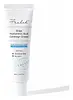 Key Ingredients
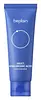
Benefits
Concerns
No concerns
Ingredients Side-by-side
Water
Skin ConditioningButylene Glycol
Humectant

Caprylic/Capric Triglyceride
Masking
Glycerin
Humectant
Cetearyl Alcohol
Emollient



Cetearyl Olivate
Limnanthes Alba Seed Oil
Skin Conditioning
Mangifera Indica Seed Butter
Skin Conditioning
Sorbitan Olivate
Emulsifying
Cynanchum Atratum Extract
Skin ConditioningSodium Hyaluronate
Humectant


Camellia Japonica Leaf Extract
Skin ConditioningBeta-Glucan
Skin Conditioning
Simmondsia Chinensis Seed Oil
Emollient
Betaine
Humectant
Hydrolyzed Hyaluronic Acid
Humectant
Sodium Acetylated Hyaluronate
Humectant
Isododecane
EmollientSodium Polyacryloyldimethyl Taurate
Emulsion StabilisingXanthan Gum
EmulsifyingTrideceth-10
CleansingEuphorbia Cerifera Wax
Boswellia Serrata Resin Extract
Smoothing1,2-Hexanediol
Skin Conditioning
Hydrogenated Polydecene
EmollientDimethicone/Vinyl Dimethicone Crosspolymer
Skin Conditioning
Disodium EDTA
Ethylhexylglycerin
Skin ConditioningDimethicone
Emollient
Water, Butylene Glycol, Caprylic/Capric Triglyceride, Glycerin, Cetearyl Alcohol, Cetearyl Olivate, Limnanthes Alba Seed Oil, Mangifera Indica Seed Butter, Sorbitan Olivate, Cynanchum Atratum Extract, Sodium Hyaluronate, Camellia Japonica Leaf Extract, Beta-Glucan, Simmondsia Chinensis Seed Oil, Betaine, Hydrolyzed Hyaluronic Acid, Sodium Acetylated Hyaluronate, Isododecane, Sodium Polyacryloyldimethyl Taurate, Xanthan Gum, Trideceth-10, Euphorbia Cerifera Wax, Boswellia Serrata Resin Extract, 1,2-Hexanediol, Hydrogenated Polydecene, Dimethicone/Vinyl Dimethicone Crosspolymer, Disodium EDTA, Ethylhexylglycerin, Dimethicone
Water
Skin ConditioningGlycerin
Humectant
Propanediol
Solvent
Hydrogenated Poly(C6-14 Olefin)
Emollient1,2-Hexanediol
Skin Conditioning
Caprylic/Capric Triglyceride
Masking
Cetyl Ethylhexanoate
EmollientPolyglycerin-3
Humectant
Octyldodecanol
Emollient
Cetearyl Olivate
Squalane
Emollient
Ammonium Acryloyldimethyltaurate/Vp Copolymer
Sorbitan Olivate
Emulsifying
Carbomer
Emulsion StabilisingButylene Glycol
Humectant
Tremella Fuciformis Polysaccharide
Emulsion Stabilising
Tromethamine
BufferingPanthenol
Skin Conditioning
Ethylhexylglycerin
Skin ConditioningAllantoin
Skin Conditioning
Saccharide Hydrolysate
HumectantGardenia Florida Fruit Extract
Skin ConditioningXanthan Gum
EmulsifyingDipotassium Glycyrrhizate
Humectant
Adenosine
Skin Conditioning
Sodium Hyaluronate
Humectant
Coptis Japonica Extract
AntimicrobialXylitylglucoside
Humectant
Indigofera Tinctoria Extract
MaskingAnhydroxylitol
Humectant
Agave Tequilana Leaf Extract
AstringentMoringa Oleifera Seed Oil
Emollient
Xylitol
Humectant
Hemerocallis Fulva Flower Extract
Skin ConditioningCeramide NP
Skin Conditioning
Glucose
Humectant
Myosotis Sylvatica Flower/Leaf/Stem Extract
Skin ConditioningPhytosphingosine
Skin Conditioning
Hydrogenated Lecithin
Emulsifying
Beta-Glucan
Skin Conditioning
Hyaluronic Acid
Humectant
Water, Glycerin, Propanediol, Hydrogenated Poly(C6-14 Olefin), 1,2-Hexanediol, Caprylic/Capric Triglyceride, Cetyl Ethylhexanoate, Polyglycerin-3, Octyldodecanol, Cetearyl Olivate, Squalane, Ammonium Acryloyldimethyltaurate/Vp Copolymer, Sorbitan Olivate, Carbomer, Butylene Glycol, Tremella Fuciformis Polysaccharide, Tromethamine, Panthenol, Ethylhexylglycerin, Allantoin, Saccharide Hydrolysate, Gardenia Florida Fruit Extract, Xanthan Gum, Dipotassium Glycyrrhizate, Adenosine, Sodium Hyaluronate, Coptis Japonica Extract, Xylitylglucoside, Indigofera Tinctoria Extract, Anhydroxylitol, Agave Tequilana Leaf Extract, Moringa Oleifera Seed Oil, Xylitol, Hemerocallis Fulva Flower Extract, Ceramide NP, Glucose, Myosotis Sylvatica Flower/Leaf/Stem Extract, Phytosphingosine, Hydrogenated Lecithin, Beta-Glucan, Hyaluronic Acid
Reviews
Ingredients Explained
These ingredients are found in both products.
Ingredients higher up in an ingredient list are typically present in a larger amount.
1,2-Hexanediol is a synthetic liquid and another multi-functional powerhouse.
It is a:
- Humectant, drawing moisture into the skin
- Emollient, helping to soften skin
- Solvent, dispersing and stabilizing formulas
- Preservative booster, enhancing the antimicrobial activity of other preservatives
Beta-Glucan is a polysaccharide. It can be derived from the cell walls of seaweed, oats, yeast, and fungi. It hydrates the skin and helps boost your skin's natural barrier.
As an antioxidant, beta-glucan helps fight free-radicals. Free-radicals are molecules that may damage your skin cells, such as pollution.
Studies show this ingredient may be an effective wrinkle reducer as it can deeply penetrate into skin. It has also been show to help with wound healing.
Learn more about Beta-GlucanButylene Glycol (or BG) is used within cosmetic products for a few different reasons:
Overall, Butylene Glycol is a safe and well-rounded ingredient that works well with other ingredients.
Though this ingredient works well with most skin types, some people with sensitive skin may experience a reaction such as allergic rashes, closed comedones, or itchiness.
Learn more about Butylene GlycolThis ingredient is a lightweight emollient, solvent, and texture enhancer. It is considered a skin-softener by helping the skin prevent moisture loss.
It helps thicken a product's formula and makes it easier to spread by dissolving clumping compounds.
Caprylic Triglyceride is made by combining glycerin with coconut oil, forming a clear liquid. Though it behaves like an oil, it is not technically one due to its chemical composition. It is very stable, resistant to oxidation, and unlikely to go rancid. In practice, that translates to a long shelf life and a consistently elegant skin feel.
While there is an assumption Caprylic Triglyceride can clog pores due to it being derived from coconut oil, there is no research supporting this. Be sure to patch test if you have concerns.
Fractionated coconut oil and MCT Oil are both listed as Caprylic/Capric Triglyceride according to INCI. This is because INCI names are based on the ingredient’s final chemical composition and not its marketing name or source.
Learn more about Caprylic/Capric TriglycerideCetearyl Olivate is an emulsifier and texture enhancer. It is derived from the fatty acids of olive oil and Cetearyl alcohol, and is biodegradable.
As an emulsifier, it is used to prevent oils and waters from separating. It can also
This ingredient is also known as part of Olivem 1000, with Sorbitan Olivate being the other part.
According to a manufacturer, this ingredient helps preserve the natural microbiome of skin. Having a healthy microbiome helps keep our skin healthy and protects against harmful bacteria.
Please note, having a healthy microbiome is different from fungal acne; a healthy microbiome includes small amounts of yeast that normally live on your skin without causing problems.
Fungal acne happens when one type of yeast (Malassezia) grows out of control. This is usually because it's feeding on certain oils or fatty acids. Due to the olive oil base, this ingredient may feed that yeast, so it may not be fungal acne safe.
Learn more about Cetearyl OlivateEthylhexylglycerin is created from glycerin. It is a multitasker ingredient that:
The CIR Expert Panel found minimal skin absorption or sensitization of any kind in a safety assessment. Though this ingredient is considered well-tolerated, a small number of cases of allergic dermatitis have been published since 2002. Just be sure to patch test if you are unsure.
Industry-reported use ranges from 8% in rinse-off products and 2% in leave-on formulations.
Learn more about EthylhexylglycerinGlycerin (or glycerol) is a compound naturally found in your skin. It's a powerhouse humectant that pulls water into the stratum corneum.
Topically, glycerin does several things at once:
Your skin makes glycerin on its own (mostly from sebaceous oil breakdown) and shuttles it to your outermost layer of skin, or your epidermis, via aquaporin-3.
Aquaporin-3 is a transporter that is essential for normal skin hydration, elasticity, and repair. Interestingly, mice lacking in AQP3 have dry and less elastic skin that can be fully corrected with glycerin.
This ingredient is non-irritating, plays well with almost every ingredient, and works across all skin types. Typical use is anywhere between 3-10% but can go up to 79% in some leave-on products.
Just know very high concentrations (>40%) can feel tacky in low humidity.
Glycerin is the name for this ingredient in American English. British English uses Glycerol/Glycerine.
Learn more about GlycerinSodium Hyaluronate is the salt form of hyaluronic acid. It is a long sugar chain that is naturally found in your skin, joints, and connective tissue that maintains hydration and elasticity.
In skincare, it works as a humectant. It pulls water from the environment and deeper layers of skin and binds it to the surface.
Interestingly, the size of the molecule affects its behavior:
Some clinical evidence links low molecular weight versions to improved wrinkle depth, elasticity, anti-inflammatory effects, and barrier repair.
Many serums use a blend of both weights so you can get surface hydration plus longer-lasting and deeper effects.
You'll typically see concentrations between 0.1-2% for this ingredient.
Learn more about Sodium HyaluronateSorbitan Olivate is created from the fatty acids in olive oil and sorbitol.
This ingredient is an oil in water emulsifier. It helps stabilize a product by preventing oils and waters from separating. Sorbitan Olivate also helps hydrate the skin.
This ingredient is also known as part of Olivem 1000, with Cetearyl Olivate being the other part.
According to a manufacturer, this ingredient helps preserve the natural microbiome of skin. Having a healthy microbiome helps keep our skin healthy and protects against harmful bacteria.
Please note, having a healthy microbiome is different from fungal acne; a healthy microbiome includes small amounts of yeast that normally live on your skin without causing problems.
Fungal acne happens when one type of yeast (Malassezia) grows out of control. This is usually because it's feeding on certain oils or fatty acids. Due to the olive oil base, this ingredient may not be fungal acne safe.
Learn more about Sorbitan OlivateWater. It's the most common cosmetic ingredient of all. You'll usually see it at the top of ingredient lists, meaning that it makes up the largest part of the product.
So why is it so popular? Water most often acts as a solvent - this means that it helps dissolve other ingredients into the formulation.
You'll also recognize water as that liquid we all need to stay alive. If you see this, drink a glass of water. Remember to stay hydrated!
Learn more about WaterXanthan gum is used as a stabilizer and thickener within cosmetic products. It helps give products a sticky, thick feeling - preventing them from being too runny.
On the technical side of things, xanthan gum is a polysaccharide - a combination consisting of multiple sugar molecules bonded together.
Xanthan gum is a pretty common and great ingredient. It is a natural, non-toxic, non-irritating ingredient that is also commonly used in food products.
Learn more about Xanthan Gum
