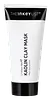
This wash off mask is made with Kaolin for a rinse-off oil-control boost.
This wash off mask is formulated around Salicylic Acid to clear breakouts and unclog pores.


What's inside
What's inside
 Key Ingredients
Benefits
Concerns
Ingredients Side-by-side
Water
Skin ConditioningKaolin
Abrasive



Aloe Barbadensis Leaf Juice
Skin Conditioning


Glycerin
Humectant

Glyceryl Stearate
Emollient

Carthamus Tinctorius Seed Oil
Masking
Stearic Acid
Cleansing
Helianthus Annuus Seed Oil
Emollient
Cetearyl Alcohol
Emollient



Magnesium Aluminum Silicate
Absorbent
Sodium Stearate
CleansingSodium Magnesium Silicate
Phenoxyethanol
Preservative
Dimethyl Sulfone
SolventCentella Asiatica Extract
Cleansing

Glyceryl Caprylate
EmollientDecyl Glucoside
Cleansing
Cellulose Gum
Emulsion StabilisingCocos Nucifera Oil
Masking
Cetyl Alcohol
Emollient
Ethylhexylglycerin
Skin ConditioningSodium Carbomer
Emulsion StabilisingTocopherol
Antioxidant



Macrocystis Pyrifera Extract
Skin Conditioning
Sea Water Extract
Skin ConditioningChondrus Crispus Extract
Skin Conditioning
Vitis Vinifera Seed Oil
Emollient
Lonicera Caprifolium Flower Extract
Perfuming
Sodium Hydroxide
BufferingLonicera Japonica Leaf Extract
Skin ConditioningTocopheryl Acetate
Antioxidant
Panthenol
Skin Conditioning
Oryza Sativa Bran Oil
Emollient
Geranium Maculatum Extract
TonicTaraxacum Officinale Extract
Skin ConditioningEquisetum Arvense Extract
AstringentSpirulina Maxima Extract
SmoothingPrunus Armeniaca Kernel Oil
Masking
Water, Kaolin, Aloe Barbadensis Leaf Juice, Glycerin, Glyceryl Stearate, Carthamus Tinctorius Seed Oil, Stearic Acid, Helianthus Annuus Seed Oil, Cetearyl Alcohol, Magnesium Aluminum Silicate, Sodium Stearate, Sodium Magnesium Silicate, Phenoxyethanol, Dimethyl Sulfone, Centella Asiatica Extract, Glyceryl Caprylate, Decyl Glucoside, Cellulose Gum, Cocos Nucifera Oil, Cetyl Alcohol, Ethylhexylglycerin, Sodium Carbomer, Tocopherol, Macrocystis Pyrifera Extract, Sea Water Extract, Chondrus Crispus Extract, Vitis Vinifera Seed Oil, Lonicera Caprifolium Flower Extract, Sodium Hydroxide, Lonicera Japonica Leaf Extract, Tocopheryl Acetate, Panthenol, Oryza Sativa Bran Oil, Geranium Maculatum Extract, Taraxacum Officinale Extract, Equisetum Arvense Extract, Spirulina Maxima Extract, Prunus Armeniaca Kernel Oil
Water
Skin ConditioningGlycerin
Humectant
Kaolin
Abrasive
Acrylates/C10-30 Alkyl Acrylate Crosspolymer
Emulsion Stabilising1,2-Hexanediol
Skin Conditioning
Caprylyl Glycol
Emollient
Zinc Oxide
Cosmetic Colorant

Dehydroacetic Acid
Preservative
Magnesium Aluminum Silicate
Absorbent
Hydroxypropyl Starch Phosphate
Retinyl Palmitate
Skin Conditioning
Iron Oxides
Arbutin
Antioxidant
Gluconolactone
Skin Conditioning
Glycyrrhiza Glabra Root Extract
Bleaching
Papain
Skin Conditioning
Bromelain
Skin Conditioning
Salicylic Acid
Masking


Daucus Carota Sativa Root Extract
Skin Conditioning
Vitis Vinifera Skin Extract
Antioxidant
Sodium Ascorbyl Phosphate
Antioxidant
Spinacia Oleracea Leaf Extract
Skin ConditioningWater, Glycerin, Kaolin, Acrylates/C10-30 Alkyl Acrylate Crosspolymer, 1,2-Hexanediol, Caprylyl Glycol, Zinc Oxide, Dehydroacetic Acid, Magnesium Aluminum Silicate, Hydroxypropyl Starch Phosphate, Retinyl Palmitate, Iron Oxides, Arbutin, Gluconolactone, Glycyrrhiza Glabra Root Extract, Papain, Bromelain, Salicylic Acid, Daucus Carota Sativa Root Extract, Vitis Vinifera Skin Extract, Sodium Ascorbyl Phosphate, Spinacia Oleracea Leaf Extract
Reviews
Ingredients Explained
These ingredients are found in both products.
Ingredients higher up in an ingredient list are typically present in a larger amount.
Glycerin (or glycerol) is a compound naturally found in your skin. It's a powerhouse humectant that pulls water into the stratum corneum.
Topically, glycerin does several things at once:
Your skin makes glycerin on its own (mostly from sebaceous oil breakdown) and shuttles it to your outermost layer of skin, or your epidermis, via aquaporin-3.
Aquaporin-3 is a transporter that is essential for normal skin hydration, elasticity, and repair. Interestingly, mice lacking in AQP3 have dry and less elastic skin that can be fully corrected with glycerin.
This ingredient is non-irritating, plays well with almost every ingredient, and works across all skin types. Typical use is anywhere between 3-10% but can go up to 79% in some leave-on products.
Just know very high concentrations (>40%) can feel tacky in low humidity.
Glycerin is the name for this ingredient in American English. British English uses Glycerol/Glycerine.
Learn more about GlycerinKaolin is a clay. It is used for oil control and to help minimize pores. Like other clays, kaolin has the ability to absorb excess sebum or oil. This can help clean out pores and mattify the skin.
Some types of kaolin may have exfoliating properties. When water is added to kaolin, it becomes a paste with small abrasive particles.
Most kaolin is a white color, but may be pink/orange/red depending on where it comes from.
The name 'kaolin' comes from a Chinese village named 'Gaoling'. Kaolin clay comes from rocks rich in kaolinite. Kaolinite, the mineral, has a silicate layered structure. Kaolinite is formed from chemical weathering of aluminum siilicate minerals.
Besides skincare, kaolin is commonly used to make glossy paper, in ceramics, toothpaste, and as medicine to soothe stomach issues.
Learn more about KaolinMagnesium Aluminum Silicate is a type of silica. It comes from naturally occuring minerals such as silicate ores and clay.
Magnesium aluminum silicate is used for enhancing texture and as an absorbent. Due to its large molecular size, it is unable to be absorbed into the skin.
Like other types of silica, this ingredient can be used to thicken a product. As an absorbent, it may be used to absorb extra water or help prevent clumping.
Although “aluminum” in an ingredient name can raise red flags for some consumers, the form and usage context matter significantly. For typical topical applications, there is no substantial evidence of health risks - such as cancer, neurotoxicity, or systemic “aluminum overload.”
Learn more about Magnesium Aluminum SilicateWater. It's the most common cosmetic ingredient of all. You'll usually see it at the top of ingredient lists, meaning that it makes up the largest part of the product.
So why is it so popular? Water most often acts as a solvent - this means that it helps dissolve other ingredients into the formulation.
You'll also recognize water as that liquid we all need to stay alive. If you see this, drink a glass of water. Remember to stay hydrated!
Learn more about Water

