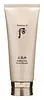
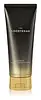
The History of Whoo Cheongidan Radiant Soft Foam Cleanser Versus Sooryehan The Black Amino Cleansing Foam
This mild foaming cleanser is made to cleanse without leaving your skin tight or dry.
This mild foaming cleanser is made to cleanse without leaving your skin tight or dry.

What's inside
What's inside
 Key Ingredients
Benefits
Concerns
Ingredients Side-by-side
Glycerin
Humectant


Potassium Cocoyl Glycinate
Surfactant
Water
Skin ConditioningSodium PCA
Humectant
Citric Acid
Buffering


1,2-Hexanediol
Skin Conditioning
Hydroxypropyl Starch Phosphate
PPG-3 Caprylyl Ether
Foam BoostingOlea Europaea Fruit Oil
Masking




Coco-Betaine
Cleansing
Glyceryl Stearate
Emollient
Glycol Distearate
Emollient
Panthenol
Skin Conditioning
Disodium Cocoyl Glutamate
Cleansing
Polyquaternium-7
Sodium Chloride
MaskingSodium Cocoyl Glutamate
Cleansing
Trisodium EDTA
ChelatingButylene Glycol
Humectant
Gluconolactone
Chelating





Sodium Pyruvate
Skin ConditioningSerine
Masking
Arginine
Masking
Allantoin
Skin Conditioning
Ganoderma Lucidum Extract
Skin Protecting
Cnidium Monnieri Fruit Extract
HumectantEvodia Rutaecarpa Fruit Extract
Skin ConditioningLysimachia Foenum-Graecum Extract
Skin ConditioningThymus Vulgaris Leaf Extract
Skin ProtectingTocopherol
Antioxidant


Panax Ginseng Root Extract
Emollient
Protease
Exfoliating
Chrysanthellum Indicum Extract
Skin Conditioning
Lonicera Japonica Flower Extract
Skin ConditioningDioscorea Japonica Root Extract
Skin Conditioning
Lycium Chinense Fruit Extract
Antioxidant
Polygonatum Officinale Rhizome/Root Extract
Skin ConditioningCornus Officinalis Fruit Extract
Skin ConditioningDimocarpus Longan Fruit Extract
Skin ConditioningLitchi Chinensis Fruit Extract
Skin ConditioningMorus Alba Fruit Extract
Antioxidant
Schisandra Chinensis Fruit Extract
Skin Conditioning
Ziziphus Jujuba Fruit Extract
Skin ConditioningPunica Granatum Fruit Extract
Antioxidant
Angelica Gigas Root Extract
Skin ConditioningAngelica Tenuissima Root Extract
Skin ConditioningAtractylodes Japonica Rhizome Extract
Skin ConditioningCnidium Officinale Root Extract
Skin ConditioningCuscuta Australis Seed Extract
Skin ConditioningCyperus Rotundus Root Extract
Skin ConditioningGardenia Florida Fruit Extract
Skin ConditioningGlycine Soja Seed Extract
Skin Conditioning
Ledebouriella Divaricata Root Extract
Skin ConditioningOphiopogon Japonicus Root Extract
Skin ConditioningOyster Shell Extract
Paeonia Suffruticosa Root Extract
Skin ProtectingPoria Cocos Sclerotium Extract
AstringentPrunus Armeniaca Kernel Extract
Skin ConditioningRehmannia Chinensis Root Extract
Skin ConditioningSesamum Indicum Seed Extract
Skin Conditioning
Trichosanthes Kirilowii Root Extract
Skin ProtectingViscum Album Extract
Skin ConditioningSodium Benzoate
Masking
Parfum
Masking

Benzyl Benzoate
Antimicrobial
Hydroxycitronellal
Perfuming
Geraniol
Perfuming
Limonene
Perfuming
Hexyl Cinnamal
Perfuming
Citronellol
Perfuming
Glycerin, Potassium Cocoyl Glycinate, Water, Sodium PCA, Citric Acid, 1,2-Hexanediol, Hydroxypropyl Starch Phosphate, PPG-3 Caprylyl Ether, Olea Europaea Fruit Oil, Coco-Betaine, Glyceryl Stearate, Glycol Distearate, Panthenol, Disodium Cocoyl Glutamate, Polyquaternium-7, Sodium Chloride, Sodium Cocoyl Glutamate, Trisodium EDTA, Butylene Glycol, Gluconolactone, Sodium Pyruvate, Serine, Arginine, Allantoin, Ganoderma Lucidum Extract, Cnidium Monnieri Fruit Extract, Evodia Rutaecarpa Fruit Extract, Lysimachia Foenum-Graecum Extract, Thymus Vulgaris Leaf Extract, Tocopherol, Panax Ginseng Root Extract, Protease, Chrysanthellum Indicum Extract, Lonicera Japonica Flower Extract, Dioscorea Japonica Root Extract, Lycium Chinense Fruit Extract, Polygonatum Officinale Rhizome/Root Extract, Cornus Officinalis Fruit Extract, Dimocarpus Longan Fruit Extract, Litchi Chinensis Fruit Extract, Morus Alba Fruit Extract, Schisandra Chinensis Fruit Extract, Ziziphus Jujuba Fruit Extract, Punica Granatum Fruit Extract, Angelica Gigas Root Extract, Angelica Tenuissima Root Extract, Atractylodes Japonica Rhizome Extract, Cnidium Officinale Root Extract, Cuscuta Australis Seed Extract, Cyperus Rotundus Root Extract, Gardenia Florida Fruit Extract, Glycine Soja Seed Extract, Ledebouriella Divaricata Root Extract, Ophiopogon Japonicus Root Extract, Oyster Shell Extract, Paeonia Suffruticosa Root Extract, Poria Cocos Sclerotium Extract, Prunus Armeniaca Kernel Extract, Rehmannia Chinensis Root Extract, Sesamum Indicum Seed Extract, Trichosanthes Kirilowii Root Extract, Viscum Album Extract, Sodium Benzoate, Parfum, Benzyl Benzoate, Hydroxycitronellal, Geraniol, Limonene, Hexyl Cinnamal, Citronellol
Glycerin
Humectant
Potassium Cocoyl Glycinate
Surfactant
Water
Skin ConditioningSodium PCA 2.5%
Humectant
Citric Acid
Buffering
1,2-Hexanediol
Skin Conditioning
Hydroxypropyl Starch Phosphate
PPG-3 Caprylyl Ether
Foam BoostingOlea Europaea Fruit Oil
Masking
Coco-Betaine
Cleansing
Glyceryl Stearate
Emollient
Glycol Distearate
Emollient
Panthenol
Skin Conditioning
Disodium Cocoyl Glutamate
Cleansing
Polyquaternium-7
Sodium Chloride
MaskingSodium Cocoyl Glutamate
Cleansing
Trisodium EDTA
ChelatingButylene Glycol
Humectant
Aureobasidium Pullulans Ferment
Skin ConditioningTocopherol
Antioxidant
Glycyrrhiza Glabra Root Extract
Bleaching
Sodium Benzoate
Masking
Parfum
Masking
Linalool
Perfuming
Glycerin, Potassium Cocoyl Glycinate, Water, Sodium PCA 2.5%, Citric Acid, 1,2-Hexanediol, Hydroxypropyl Starch Phosphate, PPG-3 Caprylyl Ether, Olea Europaea Fruit Oil, Coco-Betaine, Glyceryl Stearate, Glycol Distearate, Panthenol, Disodium Cocoyl Glutamate, Polyquaternium-7, Sodium Chloride, Sodium Cocoyl Glutamate, Trisodium EDTA, Butylene Glycol, Aureobasidium Pullulans Ferment, Tocopherol, Glycyrrhiza Glabra Root Extract, Sodium Benzoate, Parfum, Linalool
Ingredients Explained
These ingredients are found in both products.
Ingredients higher up in an ingredient list are typically present in a larger amount.
1,2-Hexanediol is a synthetic liquid and another multi-functional powerhouse.
It is a:
- Humectant, drawing moisture into the skin
- Emollient, helping to soften skin
- Solvent, dispersing and stabilizing formulas
- Preservative booster, enhancing the antimicrobial activity of other preservatives
Butylene Glycol (or BG) is used within cosmetic products for a few different reasons:
Overall, Butylene Glycol is a safe and well-rounded ingredient that works well with other ingredients.
Though this ingredient works well with most skin types, some people with sensitive skin may experience a reaction such as allergic rashes, closed comedones, or itchiness.
Learn more about Butylene GlycolCitric Acid is an alpha hydroxy acid (AHA) naturally found in citrus fruits like oranges, lemons, and limes.
Like other AHAs, citric acid can exfoliate skin by breaking down the bonds that hold dead skin cells together. This helps reveal smoother and brighter skin underneath.
However, this exfoliating effect only happens at high concentrations (20%) which can be hard to find in cosmetic products.
Due to this, citric acid is usually included in small amounts as a pH adjuster. This helps keep products slightly more acidic and compatible with skin's natural pH.
In skincare formulas, citric acid can:
While it can provide some skin benefits, research shows lactic acid and glycolic acid are generally more effective and less irritating exfoliants.
Most citric acid used in skincare today is made by fermenting sugars (usually from molasses). This synthetic version is identical to the natural citrus form but easier to stabilize and use in formulations.
Rosacea skin has a lower threshold for acids generally, with 62.5% of rosacea subjects in one study reacting to lactic acid in a sting test. This is why we mark citric acid as a potential rosacea trigger.
However, this ingredient shows up as a pH adjuster or chelator at roughly 0.1-1% in many products. These low levels are unlikely to be an issue for rosacea skin and becomes a potential trigger at exfoliating concentrations (20%). Because everybody's skin is unique, we recommend a patch test if you are unsure.
Learn more about Citric AcidCoco-Betaine is the natural version of Cocamidopropyl Betaine. It is often derived from coconuts.
Coco-Betaine is a surfactant, meaning it helps remove dirt and oil from the skin.
We don't have a description for Disodium Cocoyl Glutamate yet.
Glycerin (or glycerol) is a compound naturally found in your skin. It's a powerhouse humectant that pulls water into the stratum corneum.
Topically, glycerin does several things at once:
Your skin makes glycerin on its own (mostly from sebaceous oil breakdown) and shuttles it to your outermost layer of skin, or your epidermis, via aquaporin-3.
Aquaporin-3 is a transporter that is essential for normal skin hydration, elasticity, and repair. Interestingly, mice lacking in AQP3 have dry and less elastic skin that can be fully corrected with glycerin.
This ingredient is non-irritating, plays well with almost every ingredient, and works across all skin types. Typical use is anywhere between 3-10% but can go up to 79% in some leave-on products.
Just know very high concentrations (>40%) can feel tacky in low humidity.
Glycerin is the name for this ingredient in American English. British English uses Glycerol/Glycerine.
Learn more about GlycerinGlyceryl Stearate is made by reacting glycerin with stearic acid (typically sourced from plant oils like palm or coconut). It's an emulsifier, emollient, and mild occlusive.
Emulsifiers help ingredients like oil and water stay mixed so your formula stays nicely blended and uniform in texture.
This ingredient is typically used in concentrations between 1-10%. Studies have found it to be non-sensitizing, non-phototoxic, and non-photoallergenic.
A close cousin of this ingredient is Glyceryl Stearate SE ("self-emulsifying"). This just has a small amount of sodium or potassium stearate added so it can emulsify without a co-emulsifier.
Since this ingredient is an ester of a C18 fatty acid, it may not be fungal acne safe. The Malassezia yeast can potentially metabolize within the C11-C24 range.
Fun fact: The human body also creates Glyceryl Stearate naturally.
Learn more about Glyceryl StearateGlycol Distearate is an emulsifier and emollient that adds a "pearly" appearance to formulations.
That lustrous look you see in many shampoos is due to this ingredient: when cooled, it crystallizes into small platelets that reflect light to give products that rich, shimmering look.
This ingredient is considered safe at present practices of use and concentration and repeated insult patch test with 50% Glycol Distearate on 125 subjects found no evidence of skin irritation, hypersensitivity, or acute toxicity.
Typical use concentrations range from 0.1-10%.
Because it's an ester of stearic acid, it falls into the range that Malassezia likes to metabolize. This ingredient may not be fungal acne safe.
Learn more about Glycol DistearateHydroxypropyl Starch Phosphate is a modified starch used to help thicken a product.
It is also used in foods.
This ingredient is also known as olive oil. It has been used in skincare for centuries and science largely backs up its reputation as a nourishing emollient.
The main components of olive oil are oleic acid (55-83%), linoleic acid (3.5-20%), and palmitic acid (7-20%). Oleic acid promotes skin regeneration and helps regulate inflammatory responses.
Squalene is also naturally present in olive oil and exhibits moisturizing and antioxidant properties.
The polyphenols in olive oil also show anti-aging promise; one clinical study found a measurable improvement in skin appearance after 30 days of topical serum use.
Just be aware that applying olive oil directly to skin can weaken the barrier and cause redness. One study with volunteers found even people without sensitive skin experienced a significant reduction in stratum corneum integrity and induced mild erythema.
It's best to use this ingredient as part of a carefully crafted formula (instead of putting it on skin directly from the bottle).
Because it has a 0-2 on the comedogenic scale, it is low risk for acne-prone skin. Just remember the overall formulation of a product matters more than a few ingredients with comedogenic ratings.
This ingredient may not be fungal acne safe because of the oleic and palmitic acid content. These fall within the C11-24 fatty acid range that the Malassezia yeast can metabolize to grow.
Overall, olive oil is a well-studied and nourishing skincare ingredient.
Learn more about Olea Europaea Fruit OilPanthenol is a common ingredient that helps hydrate and soothe the skin. It is found naturally in our skin and hair.
There are two forms of panthenol: D and L.
D-panthenol is also known as dexpanthenol. Most cosmetics use dexpanthenol or a mixture of D and L-panthenol.
Panthenol is famous due to its ability to go deeper into the skin's layers. Using this ingredient has numerous pros (and no cons):
Like hyaluronic acid, panthenol is a humectant. Humectants are able to bind and hold large amounts of water to keep skin hydrated.
This ingredient works well for wound healing. It works by increasing tissue in the wound and helps close open wounds.
Once oxidized, panthenol converts to pantothenic acid. Panthothenic acid is found in all living cells.
This ingredient is also referred to as pro-vitamin B5.
Learn more about PanthenolParfum is a catch-all term for an ingredient or more that is used to give a scent to products.
Also called "fragrance", this ingredient can be a blend of hundreds of chemicals or plant oils. This means every product with "fragrance" or "parfum" in the ingredients list is a different mixture.
For instance, Habanolide is a proprietary trade name for a specific aroma chemical. When used as a fragrance ingredient in cosmetics, most aroma chemicals fall under the broad labeling category of “FRAGRANCE” or “PARFUM” according to EU and US regulations.
The term 'parfum' or 'fragrance' is not regulated in many countries. In many cases, it is up to the brand to define this term.
For instance, many brands choose to label themselves as "fragrance-free" because they are not using synthetic fragrances. However, their products may still contain ingredients such as essential oils that are considered a fragrance by INCI standards.
One example is Calendula flower extract. Calendula is an essential oil that still imparts a scent or 'fragrance'.
Depending on the blend, the ingredients in the mixture can cause allergies and sensitivities on the skin. Some ingredients that are known EU allergens include linalool and citronellol.
Parfum can also be used to mask or cover an unpleasant scent.
The bottom line is: not all fragrances/parfum/ingredients are created equally. If you are worried about fragrances, we recommend taking a closer look at an ingredient. And of course, we always recommend speaking with a professional.
Learn more about ParfumPolyquaternium-7 is a light to clear colored liquid. It is commonly found in haircare products for its film-forming and anti-static properties.
According to a manufacturer, it is a non-paraben and specially developed for negatively charged surfactant systems. This makes it a great hairstyle holder and helps to improve wet hair detangling without adding buildup.
Potassium Cocoyl Glycinate is an amino acid-based surfactant and cleaning agent. This ingredient can be derived from animals or plants. It may also be synthetically created from fatty acids of the coconut and glycine.
Potassium Cocoyl Glycinate is a gentle surfactant. Surfactants help gather the dirt, oil, and other pollutants from your skin to be rinsed away. It is a mild cleanser and naturally produces foam.
We don't have a description for PPG-3 Caprylyl Ether yet.
Sodium Benzoate is a preservative. It's used in both cosmetic and food products to inhibit the growth of mold and bacteria. It is typically produced synthetically.
Both the US FDA and EU Health Committee have approved the use of sodium benzoate. In the US, levels of 0.1% (of the total product) are allowed.
Sodium benzoate works as a preservative by inhibiting the growth of bacteria inside of cells. It prevents the cell from fermenting a type of sugar using an enzyme called phosphofructokinase.
It is the salt of benzoic acid. Foods containing sodium benzoate include soda, salad dressings, condiments, fruit juices, wines, and snack foods.
Studies for using ascorbic acid and sodium benzoate in cosmetics are lacking, especially in skincare routines with multiple steps.
We always recommend speaking with a professional, such as a dermatologist, if you have any concerns.
Learn more about Sodium BenzoateChances are, you eat sodium chloride every day. Sodium Chloride is also known as table salt. This ingredient has many purposes in skincare: thickener, emulsifier, and exfoliator.
You'll most likely find this ingredient in cleansers where it is used to create a gel-like texture. As an emulsifier, it also prevents ingredients from separating.
You might see people debate whether Sodium Chloride is comedogenic, but there actually haven't been any comedogenic tests done on it. Either way, the overall formulation of a product matters a lot more than any single ingredient.
You might see this ingredient used in scrubs as a primary exfoliating ingredient.
Learn more about Sodium ChlorideSodium Cocoyl Glutamate is a gentle cleanser and surfactant. It is the sodium salt of the Cocoyl Glutamic Acid and comes from coconut oil. As a surfactant, it helps lift dirt and oil to be washed away.
Sodium Cocoyl Glutamate also has an emolliating effect and can help leave the skin feeling soft.
Sodium PCA (the salt of PCA) is one of the most well-established humectants in skincare.
Why is it so special? Your skin already makes it naturally; it's a natural component of your skin's Natural Moisturizing Factor (NMF), or the mix of water-binding compounds inside your skin cells that keeps things soft and hydrated.
As a cosmetic ingredient, it grabs water and holds it in the upper layers of skin to smooth roughness and ease dehydration.
There's some clinical support for the NMF approach with a study showing that a cream built to mimic the skin's NMF significantly boosted hydration.
Safety-wise, this ingredient non-irritating, non-comedogenic, and non-phototoxic in testing, with minimal skin absorption.
It also works really well with other hydrators like glycerin or hyaluronic acid, and typical usage is somewhere between 0.2-4%.
Learn more about Sodium PCATocopherol is a fat-soluble antioxidant known as Vitamin E.
You'll find this ingredient in the vast majority of skincare (for good reason). It works to neutralize free radicals, or unstable molecules generated by UV exposure, pollution, and other environmental stressors, before they can cause oxidative damage to your skin cells.
Topically applied tocopherol has been shown to protect against UV damage by ramping up the skin's own natural defense enzymes.
It also acts as a skin conditioning agent; some studies show that regular topical use can improve the skin's water-binding capacity over 2-4 weeks.
This ingredient is especially loved for being a team player. When combined with Vitamin C, the photoprotective effect of both ingredients roughly doubles and the combo also helps reduce UV-induced DNA damage.
This ingredient has some brightening potential but it's more of a prevention ingredient than spot-fader. Cell studies show it can slow down melanin production but it's worth noting that it's not the most powerful brightener out there.
In formulations, it also serves as a stabilizer that helps protect other oxidation-prone ingredients from degrading.
Concentrations usually range from 0.1-1% in most leave-on products.
Learn more about TocopherolTrisodium EDTA is one of those quietly essential helper ingredients that most people have never heard of. You'll most likely spot it near the end of ingredient lists in almost every category of skincare.
So what does it actually do?
Its main job is chelation; this is a fancy word to say it grabs onto metal ions and neutralizes them. This is because even purified water in cosmetics contains trace amounts of metals that can cause big problems in a formula.
These trace metals can break down actives faster, cause discoloration, promote rancidity in oils, and make preservatives less effective. Trisodium EDTA binds to these metals and takes them out of the equation so your products can stay stable and effective for longer.
There's also an added bonus: by neutralizing the metals ions that bacteria need to thrive, this ingredient also acts as a preservative booster.
The Cosmetic Ingredient Review has concluded this ingredient to be safe as used in cosmetic formulations. It is not considered an irritant, sensitizer, and is barely absorbed through the skin.
Learn more about Trisodium EDTAWater. It's the most common cosmetic ingredient of all. You'll usually see it at the top of ingredient lists, meaning that it makes up the largest part of the product.
So why is it so popular? Water most often acts as a solvent - this means that it helps dissolve other ingredients into the formulation.
You'll also recognize water as that liquid we all need to stay alive. If you see this, drink a glass of water. Remember to stay hydrated!
Learn more about Water

