The Derma Co 3% Kojic Acid Dark Spot Corrector Gel Versus PURITO Azelaic Acid 10 Kojic Tea Tree Serum
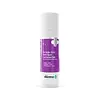
This brightening treatment is formulated around Glycolic Acid and 4-Butylresorcinol to fade the look of dark spots and brighten dull-looking skin.
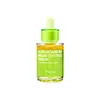
This acne serum is formulated around Azelaic Acid and Melaleuca Alternifolia Leaf Water to clear breakouts and fade the look of dark spots.


What's inside
What's inside
 Key Ingredients
Benefits
Concerns
Ingredients Side-by-side
Water
Skin ConditioningCaprylic/Capric Triglyceride
Masking


Glycolic Acid
Buffering











Kojic Dipalmitate
Emollient
Butyrospermum Parkii Butter
Skin Conditioning


Sodium Acrylate/Sodium Acryloyldimethyl Taurate Copolymer
Emulsion StabilisingHydrogenated Polydecene
EmollientTrideceth-6
EmulsifyingSorbitan Laurate
Emulsifying
4-Butylresorcinol
Antioxidant

Butylene Glycol
Humectant
Cetearyl Alcohol
Emollient
Dicetyl Phosphate
EmulsifyingCeteth-10 Phosphate
CleansingAzelaic Acid
Buffering


Tranexamic Acid
Astringent
Cetyl Acetate
Emollient
Arbutin
Antioxidant
Lecithin
Emollient
Ceteareth-20
Cleansing
Glycyrrhiza Glabra Root Extract
Bleaching
Morus Alba Extract
AstringentLaminaria Digitata Extract
Skin Protecting
Cetyl-Pg Hydroxyethyl Palmitamide
Skin ConditioningCeramide EOP
Skin Conditioning
Ceramide Ns
Skin Conditioning
Ceramide NP
Skin Conditioning
Ceramide As
Skin Conditioning
Ceramide AP
Skin Conditioning
Propylene Glycol
Humectant
Arginine
Masking
Phenoxyethanol
Preservative
Ethylhexylglycerin
Skin ConditioningSodium Hyaluronate
Humectant
Xanthan Gum
EmulsifyingSodium Hydroxide
BufferingSodium Metabisulfite
Antioxidant
Pentaerythrityl Tetra-Di-T-Butyl Hydroxyhydrocinnamate
Antioxidant
Water, Caprylic/Capric Triglyceride, Glycolic Acid, Kojic Dipalmitate, Butyrospermum Parkii Butter, Sodium Acrylate/Sodium Acryloyldimethyl Taurate Copolymer, Hydrogenated Polydecene, Trideceth-6, Sorbitan Laurate, 4-Butylresorcinol, Butylene Glycol, Cetearyl Alcohol, Dicetyl Phosphate, Ceteth-10 Phosphate, Azelaic Acid, Tranexamic Acid, Cetyl Acetate, Arbutin, Lecithin, Ceteareth-20, Glycyrrhiza Glabra Root Extract, Morus Alba Extract, Laminaria Digitata Extract, Cetyl-Pg Hydroxyethyl Palmitamide, Ceramide EOP, Ceramide Ns, Ceramide NP, Ceramide As, Ceramide AP, Propylene Glycol, Arginine, Phenoxyethanol, Ethylhexylglycerin, Sodium Hyaluronate, Xanthan Gum, Sodium Hydroxide, Sodium Metabisulfite, Pentaerythrityl Tetra-Di-T-Butyl Hydroxyhydrocinnamate
Water
Skin ConditioningAzelaic Acid
Buffering
Melaleuca Alternifolia Leaf Water
Antimicrobial
Butylene Glycol
Humectant
Caprylic/Capric Triglyceride
Masking
Hydroxypropyl Cyclodextrin
MaskingDisodium Phosphate
Buffering1,2-Hexanediol
Skin Conditioning
Glycerin
Humectant
Niacinamide
Smoothing
Maltodextrin
Absorbent
Hydroxyethylcellulose
Emulsion StabilisingCoptis Japonica Root Extract
Skin ConditioningAgar
MaskingGellan Gum
Kojic Acid
Antioxidant
Ethylhexylglycerin
Skin ConditioningHydroxydecyl Ubiquinone
Antioxidant
Adenosine
Skin Conditioning
Trisodium Ethylenediamine Disuccinate
Malachite Extract
Antioxidant
Melaleuca Alternifolia Leaf Oil
Antioxidant


Arginine
Masking
Xanthan Gum
EmulsifyingTocopherol
Antioxidant
Glutathione
Bisabolol
Antioxidant
Helianthus Annuus Seed Oil
Emollient
Xanthophylls
Skin ConditioningWater, Azelaic Acid, Melaleuca Alternifolia Leaf Water, Butylene Glycol, Caprylic/Capric Triglyceride, Hydroxypropyl Cyclodextrin, Disodium Phosphate, 1,2-Hexanediol, Glycerin, Niacinamide, Maltodextrin, Hydroxyethylcellulose, Coptis Japonica Root Extract, Agar, Gellan Gum, Kojic Acid, Ethylhexylglycerin, Hydroxydecyl Ubiquinone, Adenosine, Trisodium Ethylenediamine Disuccinate, Malachite Extract, Melaleuca Alternifolia Leaf Oil, Arginine, Xanthan Gum, Tocopherol, Glutathione, Bisabolol, Helianthus Annuus Seed Oil, Xanthophylls
Reviews
Alternatives
Ingredients Explained
These ingredients are found in both products.
Ingredients higher up in an ingredient list are typically present in a larger amount.
Arginine is a semi-essential amino acid. This just means our bodies can product a bit on its own, but sometimes needs a little boost from food sources.
It is a part of your skin's natural moisturizing factor (NMF), or the water-loving molecules in your outermost layer of skin (stratum corneum) that keeps everything hydrated and happy.
Here's an interesting thing about Arginine: your skin converts it into urea through the Krebs-Henseleit urea cycle. Urea is one of the most effective humectants your skin naturally produces.
A clinical study showed applying 2.5% arginine hydrochloride to atopic dermatitis skin showed significant urea levels in the stratum corneum and improved moisture in just four weeks.
Arginine is also a precursor to nitric oxide; nitric oxide improves microcirculation and supports wound healing and collagen synthesis.
One study found that an amino acid complex containing Arginine reduced skin irritation, improved hydration, and accelerated skin repair in clinical / in-vivo studies.
Arginine itself is an amino acid and not a fatty acid, oil, or ester. On its own, it's not a direct food source for Malassezia, or the yeast that causes fungal acne.
Learn more about ArginineAzelaic acid is a multitasker ingredient that helps treat acne, pigmentation, and irritation. It is a great option for sensitive skin.
What makes it special?
OTC Azelaic acid is usually available in concentrations from 10-15% and anything over requires a prescription.
Here's what each tier does best:
Unlike other acids, azelaic acid will not make your skin more photosensitive/sun sensitive.
Though this ingredient is naturally occurring in grains like wheat, rye, and barley, it is usually synthetically created for cosmetics to ensure stability and effectiveness.
Learn more about Azelaic AcidButylene Glycol (or BG) is used within cosmetic products for a few different reasons:
Overall, Butylene Glycol is a safe and well-rounded ingredient that works well with other ingredients.
Though this ingredient works well with most skin types, some people with sensitive skin may experience a reaction such as allergic rashes, closed comedones, or itchiness.
Learn more about Butylene GlycolCaprylic/Capric Triglyceride (aka MCT Oil) is a lightweight emollient, solvent, and texture enhancer. It is considered a skin-softener by helping to prevent moisture loss.
Though it behaves like an oil, it is not technically one due to its chemical composition. One perk of this ingredient is that it is very stable, resistant to oxidation, and unlikely to go rancid.
In practice, that translates to a long shelf life and a consistently elegant skin feel.
While there is an assumption Caprylic Triglyceride can clog pores due to it being derived from coconut oil, there is no research supporting this. Just patch test if you have concerns.
Fractionated coconut oil and MCT Oil are both listed as Caprylic/Capric Triglyceride according to INCI. This is because INCI names are based on the ingredient’s final chemical composition and not its marketing name or source.
This ingredient is treated as the gold standard fungal acne safe oil. Even though it is coconut derived, the problematic lauric acid is stripped out.
This leaves just caprylic (C8) and capric (C10) acid. These chain lengths actually trend antifungal; a 2020 study found caprylic acid was enough to disrupt Malassezia furfur cell membrane, with a caprylic acid derivative damaging membrane structures at concentrations as low as 0.2%.
Learn more about Caprylic/Capric TriglycerideEthylhexylglycerin is created from glycerin. It is a multitasker ingredient that:
The CIR Expert Panel found minimal skin absorption or sensitization of any kind in a safety assessment. Though this ingredient is considered well-tolerated, a small number of cases of allergic dermatitis have been published since 2002. Just be sure to patch test if you are unsure.
Industry-reported use ranges from 8% in rinse-off products and 2% in leave-on formulations.
Learn more about EthylhexylglycerinWater. It's the most common cosmetic ingredient of all. You'll usually see it at the top of ingredient lists, meaning that it makes up the largest part of the product.
So why is it so popular? Water most often acts as a solvent - this means that it helps dissolve other ingredients into the formulation.
You'll also recognize water as that liquid we all need to stay alive. If you see this, drink a glass of water. Remember to stay hydrated!
Learn more about WaterXanthan gum is used as a stabilizer and thickener within cosmetic products. It helps give products a sticky, thick feeling - preventing them from being too runny.
On the technical side of things, xanthan gum is a polysaccharide - a combination consisting of multiple sugar molecules bonded together.
Xanthan gum is a pretty common and great ingredient. It is a natural, non-toxic, non-irritating ingredient that is also commonly used in food products.
Learn more about Xanthan Gum

