
What's inside
What's inside
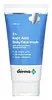 Key Ingredients
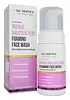
Benefits
Concerns
Ingredients Side-by-side
Myristic Acid
Cleansing


Glycerin
Humectant

Water
Skin ConditioningPotassium Hydroxide
BufferingPropylene Glycol
Humectant

Stearic Acid
Cleansing
Decyl Glucoside
Cleansing
Lauric Acid
Cleansing
Glycol Distearate
Emollient
Cocamidopropyl Betaine
Cleansing
Xylitol
Humectant
Glucose
Humectant
Anhydroxylitol
Humectant
Nopalea Cochenillifera Extract
Skin ConditioningKojic Dipalmitate
Emollient
Niacinamide
Smoothing









Sodium PCA
Humectant
Glyceryl Stearate
Emollient
Phenoxyethanol
Preservative
Polyquaternium-7
Titanium Dioxide
Cosmetic Colorant

Sodium Metabisulfite
Antioxidant
BHT
Antioxidant
Tocopherol
Antioxidant
Pentaerythrityl Tetra-Di-T-Butyl Hydroxyhydrocinnamate
Antioxidant
Disodium EDTA
Glyceryl Glucoside
Humectant
Alpha-Arbutin
Antioxidant
Myristic Acid, Glycerin, Water, Potassium Hydroxide, Propylene Glycol, Stearic Acid, Decyl Glucoside, Lauric Acid, Glycol Distearate, Cocamidopropyl Betaine, Xylitol, Glucose, Anhydroxylitol, Nopalea Cochenillifera Extract, Kojic Dipalmitate, Niacinamide, Sodium PCA, Glyceryl Stearate, Phenoxyethanol, Polyquaternium-7, Titanium Dioxide, Sodium Metabisulfite, BHT, Tocopherol, Pentaerythrityl Tetra-Di-T-Butyl Hydroxyhydrocinnamate, Disodium EDTA, Glyceryl Glucoside, Alpha-Arbutin
Water
Skin ConditioningCocamidopropyl Betaine
Cleansing
Sodium Lauroyl Sarcosinate
CleansingDisodium Cocoamphodiacetate
CleansingDecyl Glucoside
Cleansing
Sodium Methyl Cocoyl Taurate
Cleansing
Salicylic Acid
Masking

Glycerin
Humectant
Sodium C14-16 Olefin Sulfonate
Cleansing
Sodium Cocoamphoacetate
CleansingCocamide Mea
Emulsifying
Xylitol
Humectant
Glucose
Humectant
Anhydroxylitol
Humectant
Nopalea Cochenillifera Extract
Skin ConditioningPolysorbate 20
Emulsifying
Azadirachta Indica Leaf Extract
Skin ConditioningSodium Hydroxide
BufferingPhenoxyethanol
Preservative
Ethylhexylglycerin
Skin ConditioningGuar Hydroxypropyltrimonium Chloride
Skin ConditioningOcimum Sanctum Leaf Extract
Skin ConditioningFucus Vesiculosus Extract
Emollient
Butylene Glycol
Humectant
1,2-Hexanediol
Skin Conditioning
Hydroxyacetophenone
Antioxidant
Xanthan Gum
EmulsifyingCaprylyl Glycol
Emollient
Hydrolyzed Wheat Protein
Skin ConditioningHydrolyzed Soy Protein
Humectant
Pectin
Emulsion StabilisingArginine
Masking
Proline
Skin Conditioning
Serine
Masking
Chondrus Crispus Extract
Skin Conditioning
Tocopherol
Antioxidant
Panthenol
Skin Conditioning
Citric Acid
Buffering
Sodium Hyaluronate
Humectant
Potassium Sorbate
Preservative
Water, Cocamidopropyl Betaine, Sodium Lauroyl Sarcosinate, Disodium Cocoamphodiacetate, Decyl Glucoside, Sodium Methyl Cocoyl Taurate, Salicylic Acid, Glycerin, Sodium C14-16 Olefin Sulfonate, Sodium Cocoamphoacetate, Cocamide Mea, Xylitol, Glucose, Anhydroxylitol, Nopalea Cochenillifera Extract, Polysorbate 20, Azadirachta Indica Leaf Extract, Sodium Hydroxide, Phenoxyethanol, Ethylhexylglycerin, Guar Hydroxypropyltrimonium Chloride, Ocimum Sanctum Leaf Extract, Fucus Vesiculosus Extract, Butylene Glycol, 1,2-Hexanediol, Hydroxyacetophenone, Xanthan Gum, Caprylyl Glycol, Hydrolyzed Wheat Protein, Hydrolyzed Soy Protein, Pectin, Arginine, Proline, Serine, Chondrus Crispus Extract, Tocopherol, Panthenol, Citric Acid, Sodium Hyaluronate, Potassium Sorbate
Ingredients Explained
These ingredients are found in both products.
Ingredients higher up in an ingredient list are typically present in a larger amount.
This ingredient is created from dehydrating xylitol in acidic conditions. Xylitol is a famous sugar and humectant.
Much like its predecessor, anhydroxylitol is a humectant. Humectants attract and hold water to moisturize the skin.
This ingredient is most commonly found in a popular trio called Aquaxyl. Aquaxyl is made up of anhydroxylitol (24 - 34%), xylitylglucoside (35 - 50%), and xylitol (5 - 15%).
According to a manufacturer, Aquaxyl is known for a 3-D hydration concept and an anti-dehydration shield to reinforce the outer layer of skin.
This ingredient is often derived from plants such as wood and sugarcane.
Learn more about AnhydroxylitolCocamidopropyl Betaine is a fatty acid created by mixing similar compounds in coconut oil and dimethylaminopropylamine, a compound with two amino groups.
This ingredient is a surfactant and cleanser. It helps gather the dirt, pollutants, and other impurities in your skin to be washed away. It also helps thicken a product and make the texture more creamy.
Being created from coconut oil means Cocamidopropyl Betaine is hydrating for the skin.
While Cocamidopropyl Betaine was believed to be an allergen, a study from 2012 disproved this. It found two compounds in unpure Cocamidopropyl Betaine to be the irritants: aminoamide and 3-dimethylaminopropylamine. High-grade and pure Cocamidopropyl Betaine did not induce allergic reactions during this study.
Learn more about Cocamidopropyl BetaineDecyl Glucoside is a plant-derived surfactant and emulsion stabilizer. It is created by reacting glucose with the fatty acids from plants.
Like all surfactants, it works by lowering the surface tension between water and oil. This makes it so that dirt, sebum, and makeup can be lifted off your skin and rinsed away. It also produces a dense and creamy foam.
Because it has a neutral charge, it is compatible with a wide range of ingredients and stays stable across a broad pH range/water hardiness conditions.
Patch testing has shown it to have the lowest irritation potential among common cleansing surfactants (like SLS).
Typical use levels range from 5-20% in rinse-off cleansers.
One thing worth knowing: The American Contact Dermatitis Society named the parent family, alkyl glucosides, "Allergen of the Year" in 2017. The prevalence of allergy is pretty low but be sure to patch test if you've reacted to "gentle" or sulfate-free cleansers before.
This ingredient is fungal acne safe because the fatty alcohol portion of this ingredient is not within the C11-24 chain length that Malassezia can metabolize.
Learn more about Decyl GlucosideGlucose is a simple sugar (a monosaccharide). In skincare, it is mostly a humectant and skin conditioning agent.
Mechanistically, it has multiple hydroxyl groups that hydrogen-bond to water. This pulls moisture into the upper layers of skin to keep the surface soft and hydrated.
It's worth knowing sugars are already a natural component of the skin's NMF (natural moisturizing factor) so it's a molecule that your stratum corneum is well-acquainted with.
Just so you know, glucose is hydrophilic (water-loving) and the stratum corneum is a strong barrier to hydrophilic compounds. This just means penetration is slow and most of the action is happening on the surface.
Gram-to-gram, glucose is not as efficient as a humectant as glycerin. This is why you'll likely see glycose paired with stronger humectants for a bigger hydration payoff.
In skincare, glucose is typically derived from corn or other starch sources.
Learn more about GlucoseGlycerin (or glycerol) is a compound naturally found in your skin. It's a powerhouse humectant that pulls water into the stratum corneum.
Topically, glycerin does several things at once:
Your skin makes glycerin on its own (mostly from sebaceous oil breakdown) and shuttles it to your outermost layer of skin, or your epidermis, via aquaporin-3.
Aquaporin-3 is a transporter that is essential for normal skin hydration, elasticity, and repair. Interestingly, mice lacking in AQP3 have dry and less elastic skin that can be fully corrected with glycerin.
This ingredient is non-irritating, plays well with almost every ingredient, and works across all skin types. Typical use is anywhere between 3-10% but can go up to 79% in some leave-on products.
Just know very high concentrations (>40%) can feel tacky in low humidity.
Glycerin is the name for this ingredient in American English. British English uses Glycerol/Glycerine.
Learn more about GlycerinWe don't have a description for Nopalea Cochenillifera Extract yet.
Phenoxyethanol is a preservative that has germicide, antimicrobial, and aromatic properties. Studies show that phenoxyethanol can prevent microbial growth. By itself, it has a scent that is similar to that of a rose.
It's often used in formulations along with Caprylyl Glycol to preserve the shelf life of products.
Tocopherol is a fat-soluble antioxidant known as Vitamin E.
You'll find this ingredient in the vast majority of skincare (for good reason). It works to neutralize free radicals, or unstable molecules generated by UV exposure, pollution, and other environmental stressors, before they can cause oxidative damage to your skin cells.
Topically applied tocopherol has been shown to protect against UV damage by ramping up the skin's own natural defense enzymes.
It also acts as a skin conditioning agent; some studies show that regular topical use can improve the skin's water-binding capacity over 2-4 weeks.
This ingredient is especially loved for being a team player. When combined with Vitamin C, the photoprotective effect of both ingredients roughly doubles and the combo also helps reduce UV-induced DNA damage.
This ingredient has some brightening potential but it's more of a prevention ingredient than spot-fader. Cell studies show it can slow down melanin production but it's worth noting that it's not the most powerful brightener out there.
In formulations, it also serves as a stabilizer that helps protect other oxidation-prone ingredients from degrading.
Concentrations usually range from 0.1-1% in most leave-on products.
Learn more about TocopherolWater. It's the most common cosmetic ingredient of all. You'll usually see it at the top of ingredient lists, meaning that it makes up the largest part of the product.
So why is it so popular? Water most often acts as a solvent - this means that it helps dissolve other ingredients into the formulation.
You'll also recognize water as that liquid we all need to stay alive. If you see this, drink a glass of water. Remember to stay hydrated!
Learn more about WaterXylitol is a humectant and prebiotic. It can help with dry skin.
In studies, xylitol has been shown to improve dry skin. It decreased transepidermal water loss, or when water passes through the skin and evaporates. Xylitol also showed to help improve the biomechanical properties of the skin barrier.
The prebiotic property of xylitol may also help reinforce our skin's natural microbiome. Having a healthy microbiome prevents infection by bad bacteria and helps with hydration.
As a humectant, Xylitol helps draw moisture from both the air and from deeper skin layers. This helps keep skin hydrated.
Xylitol is a sugar alcohol and commonly used as a sugar substitute. It is naturally occurring in plants such as strawberries and pumpkin.
Learn more about Xylitol
