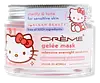
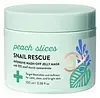
The Creme Shop Sanrio Hello Kitty Klean Beauty Intensive Overnight Moisture Gelee Mask Versus Peach Slices Snail Rescue Intensive Wash-Off Mask
This hydrating overnight mask is formulated around Allantoin and Niacinamide to hydrate skin and calm redness.
This wash off mask is made with Snail Secretion Filtrate and Centella Asiatica Extract for a rinse-off calming boost.


What's inside
What's inside
 Key Ingredients
Benefits
Concerns
No concerns
Ingredients Side-by-side
Water
Skin ConditioningButylene Glycol
Humectant

PEG-240
HumectantCaprylic/Capric Triglyceride
Masking
Dipropylene Glycol
HumectantHydroxyacetophenone
Antioxidant
PEG-100 Stearate
Surfactant

Dimethicone
Emollient

Glyceryl Stearate
Emollient
Glycerin
Humectant
Glycereth-26
Humectant
Macadamia Ternifolia Seed Oil
Emollient
Caprylyl Glycol
Emollient
Allantoin
Skin Conditioning

Niacinamide
Smoothing







Tocopheryl Acetate
Antioxidant
Adenosine
Skin Conditioning
Disodium EDTA
Chelating1,2-Hexanediol
Skin Conditioning
Dipotassium Glycyrrhizate
Humectant
Fragaria Chiloensis Fruit Extract
Skin Conditioning
Hydrolyzed Hyaluronic Acid
Humectant
Sodium Acetylated Hyaluronate
Humectant
Astragalus Membranaceus Root Extract
Emollient
Cnidium Officinale Root Extract
Skin ConditioningAngelica Gigas Root Extract
Skin ConditioningRehmannia Glutinosa Root Extract
Skin ConditioningPanax Ginseng Root Extract
Emollient
Glycyrrhiza Glabra Root Extract
Bleaching
Atractylodes Japonica Rhizome Extract
Skin ConditioningPoria Cocos Extract
Skin ConditioningPrunus Mume Flower Extract
Skin ConditioningOenothera Biennis Seed Extract
Skin ConditioningPaeonia Lactiflora Root Extract
Skin ConditioningCinnamomum Cassia Bark
Skin ConditioningCinnamomum Cassia Bark Extract
Masking
Cetyl Ethylhexanoate
EmollientEclipta Prostrata Extract
Skin Conditioning
Lithospermum Erythrorhizon Root Oil
Skin Conditioning
Brassica Campestris Seed Oil
Skin Conditioning
Schisandra Chinensis Fruit Extract
Skin Conditioning
Melia Azadirachta Leaf Extract
Skin ConditioningMoringa Oleifera Seed Oil
Emollient
Melia Azadirachta Flower Extract
Skin ConditioningCoccinia Indica Fruit Extract
Skin Conditioning
Solanum Melongena Fruit Extract
Skin ConditioningSimmondsia Chinensis Seed Oil
Emollient
Ocimum Sanctum Leaf Extract
Skin ConditioningCorallina Officinalis Extract
Skin Conditioning
Curcuma Longa Root Extract
Antioxidant
Parfum
Masking

Water, Butylene Glycol, PEG-240, Caprylic/Capric Triglyceride, Dipropylene Glycol, Hydroxyacetophenone, PEG-100 Stearate, Dimethicone, Glyceryl Stearate, Glycerin, Glycereth-26, Macadamia Ternifolia Seed Oil, Caprylyl Glycol, Allantoin, Niacinamide, Tocopheryl Acetate, Adenosine, Disodium EDTA, 1,2-Hexanediol, Dipotassium Glycyrrhizate, Fragaria Chiloensis Fruit Extract, Hydrolyzed Hyaluronic Acid, Sodium Acetylated Hyaluronate, Astragalus Membranaceus Root Extract, Cnidium Officinale Root Extract, Angelica Gigas Root Extract, Rehmannia Glutinosa Root Extract, Panax Ginseng Root Extract, Glycyrrhiza Glabra Root Extract, Atractylodes Japonica Rhizome Extract, Poria Cocos Extract, Prunus Mume Flower Extract, Oenothera Biennis Seed Extract, Paeonia Lactiflora Root Extract, Cinnamomum Cassia Bark, Cinnamomum Cassia Bark Extract, Cetyl Ethylhexanoate, Eclipta Prostrata Extract, Lithospermum Erythrorhizon Root Oil, Brassica Campestris Seed Oil, Schisandra Chinensis Fruit Extract, Melia Azadirachta Leaf Extract, Moringa Oleifera Seed Oil, Melia Azadirachta Flower Extract, Coccinia Indica Fruit Extract, Solanum Melongena Fruit Extract, Simmondsia Chinensis Seed Oil, Ocimum Sanctum Leaf Extract, Corallina Officinalis Extract, Curcuma Longa Root Extract, Parfum
Snail Secretion Filtrate
Skin Conditioning
Ammonium Acryloyldimethyltaurate/Beheneth-25 Methacrylate Crosspolymer
Emulsion Stabilising1,2-Hexanediol
Skin Conditioning
Centella Asiatica Extract
Cleansing
Glycyrrhiza Glabra Root Extract
Bleaching
Hydrolyzed Hyaluronic Acid
Humectant
Sodium Hyaluronate
Humectant
Hyaluronic Acid
Humectant
Water
Skin ConditioningFragaria Chiloensis Fruit Extract
Skin Conditioning
Sodium Polyacrylate Starch
AbsorbentBetula Alba Juice
AstringentPropanediol
Solvent
Butylene Glycol
Humectant
Disodium EDTA
ChelatingPhenoxyethanol
Preservative
Snail Secretion Filtrate, Ammonium Acryloyldimethyltaurate/Beheneth-25 Methacrylate Crosspolymer, 1,2-Hexanediol, Centella Asiatica Extract, Glycyrrhiza Glabra Root Extract, Hydrolyzed Hyaluronic Acid, Sodium Hyaluronate, Hyaluronic Acid, Water, Fragaria Chiloensis Fruit Extract, Sodium Polyacrylate Starch, Betula Alba Juice, Propanediol, Butylene Glycol, Disodium EDTA, Phenoxyethanol
Reviews
Ingredients Explained
These ingredients are found in both products.
Ingredients higher up in an ingredient list are typically present in a larger amount.
1,2-Hexanediol is a synthetic liquid and another multi-functional powerhouse.
It is a:
- Humectant, drawing moisture into the skin
- Emollient, helping to soften skin
- Solvent, dispersing and stabilizing formulas
- Preservative booster, enhancing the antimicrobial activity of other preservatives
Butylene Glycol (or BG) is used within cosmetic products for a few different reasons:
Overall, Butylene Glycol is a safe and well-rounded ingredient that works well with other ingredients.
Though this ingredient works well with most skin types, some people with sensitive skin may experience a reaction such as allergic rashes, closed comedones, or itchiness.
Learn more about Butylene GlycolDisodium EDTA is a chelating agent. It grabs onto and deactivates metal ions that sneak into your products from water, packaging, or air.
This ingredient mainly works behind the scenes and helps with:
On top of that, this ingredient can counteract the effects of hard water by binding to the minerals in it.
One thing worth knowing is that Disodium EDTA has been shown to be a mild penetration enhancer. It can help other ingredients absorb into skin more effectively which can be a double-edged sword (great for actives, but can also make the active too strong if you have sensitive skin).
Clinical patch testing showed no significant skin irritation at typical use concentrations and minimal dermal absorption.
You'll most likely see this ingredient near the end of an ingredient list. It's typically found in concentrations less than 1%.
Learn more about Disodium EDTAFragaria Chiloensis Fruit Extract comes from the beach strawberry. This is a strawberry native to Pacific coasts of North America, South America, and Hawaii. It likes to grow on sandy beaches.
Beach strawberries have antioxidant and moisturizing properties. They contain many compounds that are potent antioxidants, such as anthocyanins and Vitamin C.
The sugar, or polysaccharides, in strawberries help hydrate the skin by increasing water retention.
Strawberries also contain acids such as ellagic acid, a compound that may protect our skin against UVB damage. Another acid present is citric acid.
Fun fact: The strawberry we buy and eat today was created as a hybrid from the beach strawberry.
Learn more about Fragaria Chiloensis Fruit ExtractGlycyrrhiza Glabra Root Extract is an extract of the roots of Licorice. It has been found to have several benefits such as skin hydrating, conditioning, and soothing.
One component, glabridin, has extra potent antioxidant and soothing properties. It has also been found to block pigmentation from UVB rays in guinea pigs.
Licorice Root also contains a flavonoid. Flavonoids are a natural substance from in plants. Flavonoids also have antioxidant properties.
Another component, glycyrrhizin, has been found to have anti-inflammatory and antimicrobial benefits. This may make licorice root extract effective at treating acne. However, more research is needed to support this.
Liquiritin is one of the flavone compounds found in licorice. It has been found to help lighten skin by preventing tyrosinase from reacting with tyrosine. When the two react, protein is converted to melanin. Melanin is the substance in your body that gives your features pigmentation.
Learn more about Glycyrrhiza Glabra Root ExtractHydrolyzed Hyaluronic Acid is hyaluronic acid (HA) that is broken down into lower molecular weight fragments.
It's a humectant that pulls and holds water in the skin to help with hydration, plumpness, and reduce transepidermal water loss.
Because hydrolyzed hyaluronic acid is smaller in size, it can slip past your outermost layer of skin more easily than full-sized HA.
Most formulations will combine all sizes to get the best of both worlds.
Typical usage levels range from 0.01-1%. Any percentage higher than 2% might become goopy and tacky.
Learn more about Hydrolyzed Hyaluronic AcidWater. It's the most common cosmetic ingredient of all. You'll usually see it at the top of ingredient lists, meaning that it makes up the largest part of the product.
So why is it so popular? Water most often acts as a solvent - this means that it helps dissolve other ingredients into the formulation.
You'll also recognize water as that liquid we all need to stay alive. If you see this, drink a glass of water. Remember to stay hydrated!
Learn more about Water

