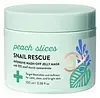
This wash off mask is made with Snail Secretion Filtrate and Centella Asiatica Extract for a rinse-off calming boost.

What's inside
What's inside
 Key Ingredients
Benefits
Ingredients Side-by-side
Snail Secretion Filtrate
Skin Conditioning





Ammonium Acryloyldimethyltaurate/Beheneth-25 Methacrylate Crosspolymer
Emulsion Stabilising1,2-Hexanediol
Skin Conditioning
Centella Asiatica Extract
Cleansing

Glycyrrhiza Glabra Root Extract
Bleaching

Hydrolyzed Hyaluronic Acid
Humectant
Sodium Hyaluronate
Humectant
Hyaluronic Acid
Humectant
Water
Skin ConditioningFragaria Chiloensis Fruit Extract
Skin Conditioning
Sodium Polyacrylate Starch
AbsorbentBetula Alba Juice
AstringentPropanediol
Solvent
Butylene Glycol
Humectant
Disodium EDTA
ChelatingPhenoxyethanol
Preservative
Snail Secretion Filtrate, Ammonium Acryloyldimethyltaurate/Beheneth-25 Methacrylate Crosspolymer, 1,2-Hexanediol, Centella Asiatica Extract, Glycyrrhiza Glabra Root Extract, Hydrolyzed Hyaluronic Acid, Sodium Hyaluronate, Hyaluronic Acid, Water, Fragaria Chiloensis Fruit Extract, Sodium Polyacrylate Starch, Betula Alba Juice, Propanediol, Butylene Glycol, Disodium EDTA, Phenoxyethanol
Water
Skin ConditioningKaolin
Abrasive



Glycerin
Humectant
Dipropylene Glycol
HumectantBentonite
Absorbent
Butylene Glycol
Humectant
Silica
Abrasive
Vigna Angularis Seed Extract
Skin ProtectingCI 77492
Cosmetic ColorantHydroxyacetophenone
Antioxidant
Xanthan Gum
EmulsifyingTitanium Dioxide
Cosmetic Colorant

Caprylyl Glycol
Emollient
Sodium Acrylates Crosspolymer-2
Absorbent1,2-Hexanediol
Skin Conditioning
Disodium EDTA
ChelatingGluconolactone
Chelating
Cucurbita Pepo Fruit Extract
Skin Conditioning
Dipotassium Glycyrrhizate
Humectant
Diospyros Kaki Leaf Extract
Skin Protecting
Vitis Vinifera Fruit Extract
Skin ConditioningCoffea Arabica Seed Extract
Masking
Polygonum Cuspidatum Root Extract
Antioxidant
Carthamus Tinctorius Flower Extract
Skin ConditioningCastanea Crenata Shell Extract
Skin ConditioningZanthoxylum Piperitum Fruit Extract
Skin ConditioningCamellia Sinensis Leaf Extract
Antimicrobial
Hyaluronic Acid
Humectant
Ethylhexylglycerin
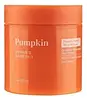
Skin ConditioningWater, Kaolin, Glycerin, Dipropylene Glycol, Bentonite, Butylene Glycol, Silica, Vigna Angularis Seed Extract, CI 77492, Hydroxyacetophenone, Xanthan Gum, Titanium Dioxide, Caprylyl Glycol, Sodium Acrylates Crosspolymer-2, 1,2-Hexanediol, Disodium EDTA, Gluconolactone, Cucurbita Pepo Fruit Extract, Dipotassium Glycyrrhizate, Diospyros Kaki Leaf Extract, Vitis Vinifera Fruit Extract, Coffea Arabica Seed Extract, Polygonum Cuspidatum Root Extract, Carthamus Tinctorius Flower Extract, Castanea Crenata Shell Extract, Zanthoxylum Piperitum Fruit Extract, Camellia Sinensis Leaf Extract, Hyaluronic Acid, Ethylhexylglycerin
Reviews
Ingredients Explained
These ingredients are found in both products.
Ingredients higher up in an ingredient list are typically present in a larger amount.
1,2-Hexanediol is a synthetic liquid and another multi-functional powerhouse.
It is a:
- Humectant, drawing moisture into the skin
- Emollient, helping to soften skin
- Solvent, dispersing and stabilizing formulas
- Preservative booster, enhancing the antimicrobial activity of other preservatives
Butylene Glycol (or BG) is used within cosmetic products for a few different reasons:
Overall, Butylene Glycol is a safe and well-rounded ingredient that works well with other ingredients.
Though this ingredient works well with most skin types, some people with sensitive skin may experience a reaction such as allergic rashes, closed comedones, or itchiness.
Learn more about Butylene GlycolDisodium EDTA is a chelating agent. It grabs onto and deactivates metal ions that sneak into your products from water, packaging, or air.
This ingredient mainly works behind the scenes and helps with:
On top of that, this ingredient can counteract the effects of hard water by binding to the minerals in it.
One thing worth knowing is that Disodium EDTA has been shown to be a mild penetration enhancer. It can help other ingredients absorb into skin more effectively which can be a double-edged sword (great for actives, but can also make the active too strong if you have sensitive skin).
Clinical patch testing showed no significant skin irritation at typical use concentrations and minimal dermal absorption.
You'll most likely see this ingredient near the end of an ingredient list. It's typically found in concentrations less than 1%.
Learn more about Disodium EDTAHyaluronic acid (HA) is a glycosaminoglycan (basically a long sugar chain) that your skin already makes on its own. In your skin, HA lives in the extracellular matrix and acts as the body's moisture reservoir.
Topically, HA is a humectant that binds water and helps skin look more plump, smooth, and hydrated.
The only catch is that HA isn't a single thing; it actually comes in a wide range of molecular weights (~50 - 2,000+ kDA) and size matters.
Some clinical evidence links low molecular weight versions to improved wrinkle depth, elasticity, anti-inflammatory effects, and barrier repair.
This is why the best HA serums blend the two sizes together so you get the best of both worlds.
The majority of cosmetic HA is produced by bacterial fermentation, typically using Streptococcus or Bacillus strains. Typical use levels in skincare sit around 0.1-2%.
A clinical study using a 0.2% low-molecular weight HA gel showed improvement in facial seborrheic dermatitis with excellent tolerance.
These are some other common types of Hyaluronic Acid:
Learn more about Hyaluronic AcidWater. It's the most common cosmetic ingredient of all. You'll usually see it at the top of ingredient lists, meaning that it makes up the largest part of the product.
So why is it so popular? Water most often acts as a solvent - this means that it helps dissolve other ingredients into the formulation.
You'll also recognize water as that liquid we all need to stay alive. If you see this, drink a glass of water. Remember to stay hydrated!
Learn more about Water

