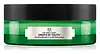
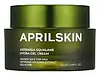
The Body Shop Drops of Youth™ Bouncy Sleeping Mask Versus APRILSKIN Artemisia Squalane Hydra Gel Cream
This anti-aging overnight mask is formulated around Sodium Hyaluronate and Adenosine to soften the look of wrinkles and hydrate skin.
This calming moisturizer is formulated around Artemisia Vulgaris Extract and Squalane to calm redness and hydrate skin.


What's inside
What's inside
 Key Ingredients
Benefits
Concerns
Ingredients Side-by-side
Water
Skin ConditioningPropanediol
Solvent

Glycerin
Humectant
Dimethicone
Emollient
Helianthus Annuus Hybrid Oil
Emollient


Polysorbate 20
Emulsifying
Diheptyl Succinate
EmollientAcrylates/Beheneth-25 Methacrylate Copolymer
Phenoxyethanol
Preservative
Tocopheryl Acetate
Antioxidant


Orbignya Oleifera Seed Oil
Emollient
Benzyl Alcohol
Perfuming





Caprylhydroxamic Acid
Sodium Hyaluronate
Humectant


Sodium Hydroxide
BufferingParfum
Masking
Disodium EDTA
Adenosine
Skin Conditioning
Caffeine
Skin Conditioning
Capryloyl Glycerin/Sebacic Acid Copolymer
Skin ConditioningLinalool
Perfuming
Citronellol
Perfuming
Leontopodium Alpinum Meristem Cell Culture
Skin ConditioningLimonene
Perfuming
Citric Acid
Buffering
Xanthan Gum
EmulsifyingWater, Propanediol, Glycerin, Dimethicone, Helianthus Annuus Hybrid Oil, Polysorbate 20, Diheptyl Succinate, Acrylates/Beheneth-25 Methacrylate Copolymer, Phenoxyethanol, Tocopheryl Acetate, Orbignya Oleifera Seed Oil, Benzyl Alcohol, Caprylhydroxamic Acid, Sodium Hyaluronate, Sodium Hydroxide, Parfum, Disodium EDTA, Adenosine, Caffeine, Capryloyl Glycerin/Sebacic Acid Copolymer, Linalool, Citronellol, Leontopodium Alpinum Meristem Cell Culture, Limonene, Citric Acid, Xanthan Gum
Artemisia Vulgaris Extract 80%
Skin Conditioning
Water
Skin ConditioningSqualane 3%
Emollient
Methylpropanediol
SolventGlycerin
Humectant
1,2-Hexanediol
Skin Conditioning
Coco-Caprylate/Caprate
Emollient
Saccharide Hydrolysate
HumectantCetearyl Olivate
Ammonium Acryloyldimethyltaurate/Vp Copolymer
Niacinamide
Smoothing





Sorbitan Olivate
Emulsifying
Butylene Glycol
Humectant
Trehalose
Humectant
Ethylhexylglycerin
Skin ConditioningDipotassium Glycyrrhizate
Humectant
Allantoin
Skin Conditioning
Oryza Sativa Bran Extract
Skin Conditioning
Carbomer
Emulsion StabilisingXanthan Gum
EmulsifyingFructooligosaccharides
Humectant
Tromethamine
BufferingAdenosine
Skin Conditioning
Pullulan
Saccharum Officinarum Extract
MoisturisingSodium Hyaluronate
Humectant
Indigofera Tinctoria Extract
MaskingHyaluronic Acid
Humectant
Moringa Oleifera Seed Oil
Emollient
Sodium Hyaluronate Crosspolymer
Humectant
Hydrolyzed Sodium Hyaluronate
Skin Conditioning
Hydrolyzed Hyaluronic Acid
Humectant
Hemerocallis Fulva Flower Extract
Skin ConditioningCeramide NP
Skin Conditioning
Myosotis Sylvatica Flower/Leaf/Stem Extract
Skin ConditioningPhytosphingosine
Skin Conditioning
Sodium Acetylated Hyaluronate
Humectant
Hydroxypropyltrimonium Hyaluronate
Hydrogenated Lecithin
Emulsifying
CI 75810
Cosmetic ColorantArtemisia Vulgaris Extract 80%, Water, Squalane 3%, Methylpropanediol, Glycerin, 1,2-Hexanediol, Coco-Caprylate/Caprate, Saccharide Hydrolysate, Cetearyl Olivate, Ammonium Acryloyldimethyltaurate/Vp Copolymer, Niacinamide, Sorbitan Olivate, Butylene Glycol, Trehalose, Ethylhexylglycerin, Dipotassium Glycyrrhizate, Allantoin, Oryza Sativa Bran Extract, Carbomer, Xanthan Gum, Fructooligosaccharides, Tromethamine, Adenosine, Pullulan, Saccharum Officinarum Extract, Sodium Hyaluronate, Indigofera Tinctoria Extract, Hyaluronic Acid, Moringa Oleifera Seed Oil, Sodium Hyaluronate Crosspolymer, Hydrolyzed Sodium Hyaluronate, Hydrolyzed Hyaluronic Acid, Hemerocallis Fulva Flower Extract, Ceramide NP, Myosotis Sylvatica Flower/Leaf/Stem Extract, Phytosphingosine, Sodium Acetylated Hyaluronate, Hydroxypropyltrimonium Hyaluronate, Hydrogenated Lecithin, CI 75810
Reviews
Ingredients Explained
These ingredients are found in both products.
Ingredients higher up in an ingredient list are typically present in a larger amount.
Adenosine is a purine nucleoside that your body already makes in every cell. In skincare, it acts mainly as a skin conditioning and anti-aging agent.
The way it works is fairly well mapped out:
Your skin has cells called fibroblasts that build collagen (the stuff that keeps skin firm and smooth). Adenosine basically flips a switch on these cells that tells them to get to work making more collagen and other proteins. These cells slow down on their own as skin ages, so Adenosine helps give them a little nudge to keep going.
The clinical backing is pretty solid too.
A blind, randomized, placebo-controlled trial of 126 women aged 45-65 tested a 0.1% cream twice daily and found real improvements in crow's feet and frown lines using a precise 3D skin-mapping technique; these changes showed up by week 3 and held at 2 months.
A later study using Adenosine-loaded dissolving microneedle patches reported gains in wrinkle depth, dermal density, elasticity, and hydration.
On concentrations, South Korea's Ministry of Food and Drug Safety has set 0.04% as the approved functional anti-wrinkle level. You'll typically see this ingredient used somewhere in the 0.04-0.1% range since it works at low doses.
This ingredient has been found safe for cosmetics with the data showing no irritation or sensitization.
Overall, this is a great ingredient for any anti-aging routine and has no photosensitizing effect, so it suits both AM and PM use.
Learn more about AdenosineGlycerin (or glycerol) is a compound naturally found in your skin. It's a powerhouse humectant that pulls water into the stratum corneum.
Topically, glycerin does several things at once:
Your skin makes glycerin on its own (mostly from sebaceous oil breakdown) and shuttles it to your outermost layer of skin, or your epidermis, via aquaporin-3.
Aquaporin-3 is a transporter that is essential for normal skin hydration, elasticity, and repair. Interestingly, mice lacking in AQP3 have dry and less elastic skin that can be fully corrected with glycerin.
This ingredient is non-irritating, plays well with almost every ingredient, and works across all skin types. Typical use is anywhere between 3-10% but can go up to 79% in some leave-on products.
Just know very high concentrations (>40%) can feel tacky in low humidity.
Glycerin is the name for this ingredient in American English. British English uses Glycerol/Glycerine.
Learn more about GlycerinSodium Hyaluronate is the salt form of hyaluronic acid. It is a long sugar chain that is naturally found in your skin, joints, and connective tissue that maintains hydration and elasticity.
In skincare, it works as a humectant. It pulls water from the environment and deeper layers of skin and binds it to the surface.
Interestingly, the size of the molecule affects its behavior:
Some clinical evidence links low molecular weight versions to improved wrinkle depth, elasticity, anti-inflammatory effects, and barrier repair.
Many serums use a blend of both weights so you can get surface hydration plus longer-lasting and deeper effects.
You'll typically see concentrations between 0.1-2% for this ingredient.
Learn more about Sodium HyaluronateWater. It's the most common cosmetic ingredient of all. You'll usually see it at the top of ingredient lists, meaning that it makes up the largest part of the product.
So why is it so popular? Water most often acts as a solvent - this means that it helps dissolve other ingredients into the formulation.
You'll also recognize water as that liquid we all need to stay alive. If you see this, drink a glass of water. Remember to stay hydrated!
Learn more about WaterXanthan gum is used as a stabilizer and thickener within cosmetic products. It helps give products a sticky, thick feeling - preventing them from being too runny.
On the technical side of things, xanthan gum is a polysaccharide - a combination consisting of multiple sugar molecules bonded together.
Xanthan gum is a pretty common and great ingredient. It is a natural, non-toxic, non-irritating ingredient that is also commonly used in food products.
Learn more about Xanthan Gum

