
What's inside
What's inside
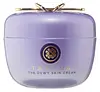 Key Ingredients
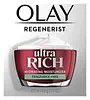
Benefits
Concerns
Ingredients Side-by-side
Water
Skin ConditioningSaccharomyces/Rice Ferment Filtrate
Skin Conditioning

Glycerin
Humectant

Propanediol
Solvent
Dimethicone
Emollient
Squalane
Emollient
Diisostearyl Malate
EmollientBehenyl Alcohol
Emollient
Myristyl Myristate
Emollient

Dipentaerythrityl Hexahydroxystearate
EmulsifyingBis-Diglyceryl Polyacyladipate-2
Emollient
Tridecyl Trimellitate
EmollientInositol
Humectant
Sorbitan Tristearate
EmulsifyingBeheneth-20
EmulsifyingCamellia Sinensis Leaf Extract
Antimicrobial





Cladosiphon Okamuranus Extract
Skin ConditioningChondrus Crispus Extract
Skin Conditioning
Betaphycus Gelatinum Extract
BleachingOryza Sativa Bran Extract
Skin Conditioning
Panax Ginseng Root Extract
Emollient
Origanum Majorana Leaf Extract
AntiseborrhoeicThymus Serpyllum Extract
Skin ConditioningMalva Sylvestris Flower Extract
Skin ConditioningSodium Hyaluronate
Humectant
Gold
Cosmetic ColorantSericin
Skin ConditioningPhytosteryl Macadamiate
Skin Conditioning
Tocopherol
Antioxidant

Hydroxyethyl Acrylate/Sodium Acryloyldimethyl Taurate Copolymer
Emulsion StabilisingSorbitan Isostearate
Emulsifying
Polysorbate 60
Emulsifying
Butylene Glycol
Humectant
Dimethicone/Vinyl Dimethicone Crosspolymer
Skin Conditioning
Sodium Benzoate
Masking
Gluconolactone
Skin Conditioning


Ethylhexylglycerin
Skin ConditioningParfum
Masking



Alcohol
Antimicrobial


Phenoxyethanol
Preservative
Citral
Perfuming
Limonene
Perfuming
Linalool
Perfuming
Mica
Cosmetic ColorantTin Oxide
Abrasive
CI 77891
Cosmetic ColorantCI 60725
Cosmetic ColorantWater, Saccharomyces/Rice Ferment Filtrate, Glycerin, Propanediol, Dimethicone, Squalane, Diisostearyl Malate, Behenyl Alcohol, Myristyl Myristate, Dipentaerythrityl Hexahydroxystearate, Bis-Diglyceryl Polyacyladipate-2, Tridecyl Trimellitate, Inositol, Sorbitan Tristearate, Beheneth-20, Camellia Sinensis Leaf Extract, Cladosiphon Okamuranus Extract, Chondrus Crispus Extract, Betaphycus Gelatinum Extract, Oryza Sativa Bran Extract, Panax Ginseng Root Extract, Origanum Majorana Leaf Extract, Thymus Serpyllum Extract, Malva Sylvestris Flower Extract, Sodium Hyaluronate, Gold, Sericin, Phytosteryl Macadamiate, Tocopherol, Hydroxyethyl Acrylate/Sodium Acryloyldimethyl Taurate Copolymer, Sorbitan Isostearate, Polysorbate 60, Butylene Glycol, Dimethicone/Vinyl Dimethicone Crosspolymer, Sodium Benzoate, Gluconolactone, Ethylhexylglycerin, Parfum, Alcohol, Phenoxyethanol, Citral, Limonene, Linalool, Mica, Tin Oxide, CI 77891, CI 60725
Water
Skin ConditioningNiacinamide
Smoothing
Glycerin
Humectant
Hexyldecanol
Emollient
Dimethicone
Emollient
Paraffin
Perfuming
Stearyl Alcohol
Emollient
Polyacrylamide
Panthenol
Skin Conditioning
Cetyl Alcohol
Emollient
Butyrospermum Parkii Butter
Skin Conditioning
Hydrogenated Polydecene
EmollientTocopheryl Acetate
Antioxidant
Palmitoyl Pentapeptide-4
Skin Conditioning
Hydroxyacetophenone
Antioxidant
Laureth-7
EmulsifyingCetearyl Alcohol
Emollient
Cetearyl Glucoside
Emulsifying
Behenyl Alcohol
Emollient
Arachidyl Alcohol
Emollient
Disodium EDTA
PEG-100 Stearate
Surfactant
Polysilicone-11
C13-14 Alkane
SolventPhenoxyethanol
Preservative
Benzyl Alcohol
Perfuming
Water, Niacinamide, Glycerin, Hexyldecanol, Dimethicone, Paraffin, Stearyl Alcohol, Polyacrylamide, Panthenol, Cetyl Alcohol, Butyrospermum Parkii Butter, Hydrogenated Polydecene, Tocopheryl Acetate, Palmitoyl Pentapeptide-4, Hydroxyacetophenone, Laureth-7, Cetearyl Alcohol, Cetearyl Glucoside, Behenyl Alcohol, Arachidyl Alcohol, Disodium EDTA, PEG-100 Stearate, Polysilicone-11, C13-14 Alkane, Phenoxyethanol, Benzyl Alcohol
Reviews
Ingredients Explained
These ingredients are found in both products.
Ingredients higher up in an ingredient list are typically present in a larger amount.
Behenyl Alcohol is a type of fatty alcohol (these are different from the drying, solvent alcohols).
Fatty Alcohols have hydrating properties and are most often used as an emollient or to thicken a product. They are usually derived from natural fats and oils; behenyl alcohol is derived from the fats of vegetable oils.
Emollients help keep your skin soft and hydrated by creating a film that traps moisture in.
In 2000, Behenyl Alcohol was approved by the US as medicine to reduce the duration of cold sores.
Learn more about Behenyl AlcoholDimethicone is a type of synthetic silicone created from natural materials such as quartz. It is also known as polydimethylsiloxane.
What it does:
Dimethicone comes in different viscosities:
Depending on the viscosity, dimethicone has different properties.
Ingredients lists don't always show which type is used, so we recommend reaching out to the brand if you have questions about the viscosity.
This ingredient is unlikely to cause irritation because it does not get absorbed into skin. However, people with silicone allergies should be careful about using this ingredient.
Note: Dimethicone may contribute to pilling. This is because it is not oil or water soluble, so pilling may occur when layered with products. When mixed with heavy oils in a formula, the outcome is also quite greasy.
Learn more about DimethiconeGlycerin (or glycerol) is a compound naturally found in your skin. It's a powerhouse humectant that pulls water into the stratum corneum.
Topically, glycerin does several things at once:
Your skin makes glycerin on its own (mostly from sebaceous oil breakdown) and shuttles it to your outermost layer of skin, or your epidermis, via aquaporin-3.
Aquaporin-3 is a transporter that is essential for normal skin hydration, elasticity, and repair. Interestingly, mice lacking in AQP3 have dry and less elastic skin that can be fully corrected with glycerin.
This ingredient is non-irritating, plays well with almost every ingredient, and works across all skin types. Typical use is anywhere between 3-10% but can go up to 79% in some leave-on products.
Just know very high concentrations (>40%) can feel tacky in low humidity.
Glycerin is the name for this ingredient in American English. British English uses Glycerol/Glycerine.
Learn more about GlycerinPhenoxyethanol is a preservative that has germicide, antimicrobial, and aromatic properties. Studies show that phenoxyethanol can prevent microbial growth. By itself, it has a scent that is similar to that of a rose.
It's often used in formulations along with Caprylyl Glycol to preserve the shelf life of products.
Water. It's the most common cosmetic ingredient of all. You'll usually see it at the top of ingredient lists, meaning that it makes up the largest part of the product.
So why is it so popular? Water most often acts as a solvent - this means that it helps dissolve other ingredients into the formulation.
You'll also recognize water as that liquid we all need to stay alive. If you see this, drink a glass of water. Remember to stay hydrated!
Learn more about Water
