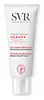
This chemical sunscreen covers the full UV range and blocks ~98% of UVB at SPF 50.
This chemical sunscreen covers the full UV range and blocks ~97% of UVB at SPF 30.


What's inside
What's inside
 Key Ingredients
Benefits
Concerns
Ingredients Side-by-side
Water
Skin ConditioningDicaprylyl Carbonate
EmollientDiethylamino Hydroxybenzoyl Hexyl Benzoate
UV Filter
Diethylhexyl Butamido Triazone
UV Absorber
Diisopropyl Adipate
EmollientSilica
Abrasive


Cetearyl Alcohol
Emollient






Bis-Ethylhexyloxyphenol Methoxyphenyl Triazine
Skin Conditioning
Ceteareth-20
CleansingEthylhexyl Triazone
UV Absorber
Dimethicone
Emollient

Niacinamide
Smoothing








Polymethyl Methacrylate
Pentylene Glycol
Skin Conditioning
Polyester-7
Skin ConditioningAminomethyl Propanol
BufferingBeta-Carotene
Skin ConditioningBeta-Sitosterol
Emulsion Stabilising
Cetearyl Dimethicone Crosspolymer
Daucus Carota Sativa Root Extract
Skin Conditioning
Glycine Soja Oil
Emollient
Hydrogenated Phosphatidylcholine
Emulsifying
Lecithin
Emollient
Lepidium Sativum Sprout Extract
Skin ConditioningSqualene
Emollient
Alpha-Glucan Oligosaccharide
Cleansing
Caffeyl Glucoside
Antioxidant
Disodium Acetyl Glucosamine Phosphate
Skin ConditioningGlucose
Humectant
Glycerin
Humectant
Phytic Acid

Rhamnose
HumectantTocopherol
Antioxidant
Tocopheryl Acetate
Antioxidant
1,2-Hexanediol
Skin Conditioning
Caprylic/Capric Triglyceride
Masking
Caprylyl Glycol
Emollient
Citric Acid
Buffering
Glucuronic Acid
Buffering
Hydroxyethyl Acrylate/Sodium Acryloyldimethyl Taurate Copolymer
Emulsion StabilisingLysolecithin
EmulsifyingNeopentyl Glycol Diheptanoate
EmollientPolysorbate 60
Emulsifying
Propanediol
Solvent
Sodium Laureth Sulfate
Cleansing


Sorbitan Isostearate
Emulsifying
Xanthan Gum
EmulsifyingPotassium Sorbate
Preservative
Sodium Benzoate
Masking
Water, Dicaprylyl Carbonate, Diethylamino Hydroxybenzoyl Hexyl Benzoate, Diethylhexyl Butamido Triazone, Diisopropyl Adipate, Silica, Cetearyl Alcohol, Bis-Ethylhexyloxyphenol Methoxyphenyl Triazine, Ceteareth-20, Ethylhexyl Triazone, Dimethicone, Niacinamide, Polymethyl Methacrylate, Pentylene Glycol, Polyester-7, Aminomethyl Propanol, Beta-Carotene, Beta-Sitosterol, Cetearyl Dimethicone Crosspolymer, Daucus Carota Sativa Root Extract, Glycine Soja Oil, Hydrogenated Phosphatidylcholine, Lecithin, Lepidium Sativum Sprout Extract, Squalene, Alpha-Glucan Oligosaccharide, Caffeyl Glucoside, Disodium Acetyl Glucosamine Phosphate, Glucose, Glycerin, Phytic Acid, Rhamnose, Tocopherol, Tocopheryl Acetate, 1,2-Hexanediol, Caprylic/Capric Triglyceride, Caprylyl Glycol, Citric Acid, Glucuronic Acid, Hydroxyethyl Acrylate/Sodium Acryloyldimethyl Taurate Copolymer, Lysolecithin, Neopentyl Glycol Diheptanoate, Polysorbate 60, Propanediol, Sodium Laureth Sulfate, Sorbitan Isostearate, Xanthan Gum, Potassium Sorbate, Sodium Benzoate
Water
Skin ConditioningC12-15 Alkyl Benzoate
AntimicrobialBis-Ethylhexyloxyphenol Methoxyphenyl Triazine
Skin Conditioning
Methylpropanediol
SolventDipropylene Glycol Dibenzoate
EmollientMethylene Bis-Benzotriazolyl Tetramethylbutylphenol
UV Filter
Niacinamide
Smoothing
Cyclopentasiloxane
Emollient
Potassium Cetyl Phosphate
EmulsifyingPolymethyl Methacrylate
Cetyl Alcohol
Emollient
Cyclohexasiloxane
Emollient
Caffeine
Skin Conditioning
Hydrogenated Dimer Dilinoleyl/Dimethylcarbonate Copolymer
Emulsion StabilisingLecithin
Emollient
Tocopheryl Acetate
Antioxidant
Camellia Sinensis Leaf Extract
Antimicrobial
Tocopherol
Antioxidant
Helianthus Annuus Seed Oil
Emollient
Glycerin
Humectant
Caprylyl Glycol
Emollient
PPG-15 Stearyl Ether Benzoate
EmollientDecyl Glucoside
Cleansing
Acrylates/C10-30 Alkyl Acrylate Crosspolymer
Emulsion StabilisingTetrasodium Glutamate Diacetate
Phenylpropanol
Masking

Propylene Glycol
Humectant
Xanthan Gum
EmulsifyingWater, C12-15 Alkyl Benzoate, Bis-Ethylhexyloxyphenol Methoxyphenyl Triazine, Methylpropanediol, Dipropylene Glycol Dibenzoate, Methylene Bis-Benzotriazolyl Tetramethylbutylphenol, Niacinamide, Cyclopentasiloxane, Potassium Cetyl Phosphate, Polymethyl Methacrylate, Cetyl Alcohol, Cyclohexasiloxane, Caffeine, Hydrogenated Dimer Dilinoleyl/Dimethylcarbonate Copolymer, Lecithin, Tocopheryl Acetate, Camellia Sinensis Leaf Extract, Tocopherol, Helianthus Annuus Seed Oil, Glycerin, Caprylyl Glycol, PPG-15 Stearyl Ether Benzoate, Decyl Glucoside, Acrylates/C10-30 Alkyl Acrylate Crosspolymer, Tetrasodium Glutamate Diacetate, Phenylpropanol, Propylene Glycol, Xanthan Gum
Reviews
Ingredients Explained
These ingredients are found in both products.
Ingredients higher up in an ingredient list are typically present in a larger amount.
This ingredient is better known as bemotrizinol or Tinosorb S and is one of the best broad-spectrum UV filters in modern sunscreen.
It works by absorbing UV light across a whole range (280-400 nm) with peaks around 310 nm (UVB) and 340-345 nm (UVA). This means it covers UVB plus the deeper UVA wavelengths that drive photoaging and pigmentation.
Another pro?
It's exceptionally photostable, barely degrades in sunlight, and acts as a "bodyguard" for less stable filters.
That's why you'll see it paired with avobenzone or octinoxate; this team up ensures they keep working through sun exposure.
Safety reviews have been reassuring across the board. This ingredient shows low absorption through the skin, rarely irritates, and lab studies found it doesn't act like a hormone in the body (a concern that's been raised about some older sunscreen filters).
On maximum concentrations:
In 2026, the US F.D.A finally added it as an OTC sunscreen ingredient at concentrations up to 6% for adults / children 6 months and older
Learn more about Bis-Ethylhexyloxyphenol Methoxyphenyl TriazineCaprylyl Glycol is a humectant, skin conditioner, emollient, and preservative booster derived from either caprylic acid or synthetically created.
Typical use levels vary from 0.3-1% as a preservative booster and go up to 2% to condition skin.
Because it is not a free-fatty acid, this ingredient is fungal acne safe (there's nothing for Malassezia to feed on).
Learn more about Caprylyl GlycolGlycerin (or glycerol) is a compound naturally found in your skin. It's a powerhouse humectant that pulls water into the stratum corneum.
Topically, glycerin does several things at once:
Your skin makes glycerin on its own (mostly from sebaceous oil breakdown) and shuttles it to your outermost layer of skin, or your epidermis, via aquaporin-3.
Aquaporin-3 is a transporter that is essential for normal skin hydration, elasticity, and repair. Interestingly, mice lacking in AQP3 have dry and less elastic skin that can be fully corrected with glycerin.
This ingredient is non-irritating, plays well with almost every ingredient, and works across all skin types. Typical use is anywhere between 3-10% but can go up to 79% in some leave-on products.
Just know very high concentrations (>40%) can feel tacky in low humidity.
Glycerin is the name for this ingredient in American English. British English uses Glycerol/Glycerine.
Learn more about GlycerinLecithin is a term for a group of substances found in the cell membranes of plants, animals, and humans. They are made up of phospholipids.
Thanks to its amphiphilic structure (water-loving head and oil-loving tail), it is a true multitasker:
It plays well with most ingredients and is typically used at 0.1-1%. However, concentrations up to 50% have been reported in moisturizers.
Learn more about LecithinNiacinamide is a multitasking form of vitamin B3 that strengthens the skin barrier, reduces pores and dark spots, regulates oil, and improves signs of aging.
And the best part? It's gentle and well-tolerated by most skin types, including sensitive and reactive skin.
You might have heard of "niacin flush", or the reddening of skin that causes itchiness. Niacinamide has not been found to cause this.
In very rare cases, some individuals may not be able to tolerate niacinamide at all or experience an allergic reaction to it.
If you are experiencing flaking, irritation, and dryness with this ingredient, be sure to double check all your products as this ingredient can be found in all categories of skincare.
When incorporating niacinamide into your routine, look out for concentration amounts. Typically, 5% niacinamide provides benefits such as fading dark spots. However, if you have sensitive skin, it is better to begin with a smaller concentration.
When you apply niacinamide to your skin, your body converts it into nicotinamide adenine dinucleotide (NAD). NAD is an essential coenzyme that is already found in your cells as "fuel" and powers countless biological processes.
In your skin, NAD helps repair cell damage, produce new healthy cells, support collagen production, strengthen the skin barrier, and fight environmental stressors (like UV and pollution).
Our natural NAD levels start to decline with age, leading to slower skin repair, visible aging, and a weaker skin barrier. By providing your skin niacinamide, you're recharging your skin's NAD levels. This leads to stronger, healthier, and younger looking skin.
Another name for vitamin B3 is nicotinamide. This vitamin is water-soluble and our bodies don't store it. We obtain Vitamin B3 from either food or skincare. Meat, fish, wheat, yeast, and leafy greens contain vitamin B3.
The type of niacinamide used in skincare is synthetically created.
Learn more about NiacinamideThis ingredient is also known as PMMA. It is a polymer microsphere, composed of tiny, perfectly spherical particles formed from repeating units.
In cosmetics, PMMA is mainly used to give a soft or blurring effect. The transparent particles are able to scatter light and help reduce the appearance of fine-lines and imperfections.
PMMA is also able to enhance the texture of products by add a smooth feel.
Learn more about Polymethyl MethacrylateTocopherol is a fat-soluble antioxidant known as Vitamin E.
You'll find this ingredient in the vast majority of skincare (for good reason). It works to neutralize free radicals, or unstable molecules generated by UV exposure, pollution, and other environmental stressors, before they can cause oxidative damage to your skin cells.
Topically applied tocopherol has been shown to protect against UV damage by ramping up the skin's own natural defense enzymes.
It also acts as a skin conditioning agent; some studies show that regular topical use can improve the skin's water-binding capacity over 2-4 weeks.
This ingredient is especially loved for being a team player. When combined with Vitamin C, the photoprotective effect of both ingredients roughly doubles and the combo also helps reduce UV-induced DNA damage.
This ingredient has some brightening potential but it's more of a prevention ingredient than spot-fader. Cell studies show it can slow down melanin production but it's worth noting that it's not the most powerful brightener out there.
In formulations, it also serves as a stabilizer that helps protect other oxidation-prone ingredients from degrading.
Concentrations usually range from 0.1-1% in most leave-on products.
Learn more about TocopherolTocopheryl Acetate is a stable, shelf-friendly form of vitamin E.
Formulators love it because plain vitamin E oxidizes quickly once it hits air. This acetate version stays stable and resists going off, helping to extend a product's shelf life.
It's actually inactive on its own and works like a slow-release "storage" form; the enzymes in your skin called esterases gradually convert it into active vitamin E over time.
One in vivo study showed 5% of the acetate in the living layer of the epidermis converted to vitamin E after 5 days of application. This study also found the skin gained protection against UV damage even though the conversion was slow and small.
Once converted, vitamin E acts as a skin's main fat-soluble antioxidant that fights free radicals to protect skin from damage.
Topical vitamin E generally boosts the skin's photoprotection, and it reduced UV-damage in animal models.
This ingredient has some brightening potential but it's more of a prevention ingredient than spot-fader. Cell studies show it can slow down melanin production but it's worth noting that it's not the most powerful brightener out there.
Overall, it has a pretty solid safety profile and has been found to be non-irritating and non-comedogenic. Allergic reactions may happen but stay rare due to how widely the ingredient gets used.
The concentration will vary depending on the formula; industry data shows 0.1% in baby lotions, 3% in lipsticks, and 5% in foot powders. You can also find this ingredient at 100% in a pure vitamin E oil.
Most leave-on skincare keeps it at the lower end, often between 0.5-1%.
Learn more about Tocopheryl AcetateWater. It's the most common cosmetic ingredient of all. You'll usually see it at the top of ingredient lists, meaning that it makes up the largest part of the product.
So why is it so popular? Water most often acts as a solvent - this means that it helps dissolve other ingredients into the formulation.
You'll also recognize water as that liquid we all need to stay alive. If you see this, drink a glass of water. Remember to stay hydrated!
Learn more about WaterXanthan gum is used as a stabilizer and thickener within cosmetic products. It helps give products a sticky, thick feeling - preventing them from being too runny.
On the technical side of things, xanthan gum is a polysaccharide - a combination consisting of multiple sugar molecules bonded together.
Xanthan gum is a pretty common and great ingredient. It is a natural, non-toxic, non-irritating ingredient that is also commonly used in food products.
Learn more about Xanthan Gum

