
What's inside
What's inside
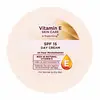 Key Ingredients
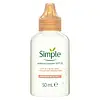
Benefits
Concerns
Ingredients Side-by-side
Water
Skin ConditioningC12-15 Alkyl Benzoate
AntimicrobialEthylhexyl Methoxycinnamate
UV Absorber


Butyl Methoxydibenzoylmethane
UV Absorber
Glycerin
Humectant



Glyceryl Stearate Se
Emulsifying

Glyceryl Stearate
Emollient
PEG-100 Stearate
Carbomer
Emulsion StabilisingPhenoxyethanol
Preservative
Octocrylene
UV Absorber
Cetyl Alcohol
Emollient
Paraffin
Perfuming
Stearyl Alcohol
Emollient
Parfum
Masking
Tocopheryl Acetate
Antioxidant

Disodium EDTA
Sodium Hydroxide
BufferingEthylhexylglycerin
Skin ConditioningPentylene Glycol
Skin ConditioningPEG-35 Castor Oil
Emulsifying
Sodium Citrate
BufferingAesculus Hippocastanum Seed Extract
Skin ConditioningAlcohol Denat.
Antimicrobial


2-Bromo-2-Nitropropane-1,3-Diol
Preservative
Lactic Acid
Buffering





Serine
Masking
Sodium Lactate
BufferingSorbitol
Humectant
Urea
Buffering
Tocopherol
Antioxidant
Polysorbate 20
Emulsifying
Sodium Chloride
Masking
Calcium Pantothenate
Inositol
Humectant
Linoleic Acid
Cleansing

Retinyl Palmitate
Skin Conditioning
Allantoin
Skin Conditioning
Biotin
AntiseborrhoeicLinalool
Perfuming
Coumarin
Perfuming
Alpha-Isomethyl Ionone
Perfuming
Water, C12-15 Alkyl Benzoate, Ethylhexyl Methoxycinnamate, Butyl Methoxydibenzoylmethane, Glycerin, Glyceryl Stearate Se, Glyceryl Stearate, PEG-100 Stearate, Carbomer, Phenoxyethanol, Octocrylene, Cetyl Alcohol, Paraffin, Stearyl Alcohol, Parfum, Tocopheryl Acetate, Disodium EDTA, Sodium Hydroxide, Ethylhexylglycerin, Pentylene Glycol, PEG-35 Castor Oil, Sodium Citrate, Aesculus Hippocastanum Seed Extract, Alcohol Denat., 2-Bromo-2-Nitropropane-1,3-Diol, Lactic Acid, Serine, Sodium Lactate, Sorbitol, Urea, Tocopherol, Polysorbate 20, Sodium Chloride, Calcium Pantothenate, Inositol, Linoleic Acid, Retinyl Palmitate, Allantoin, Biotin, Linalool, Coumarin, Alpha-Isomethyl Ionone
Ingredients Explained
These ingredients are found in both products.
Ingredients higher up in an ingredient list are typically present in a larger amount.
Also known as Avobenzone, this ingredient is a chemical sunscreen filter that provides protection in the UV-A range.
Avobenzone is globally approved and is the most commonly used UV-A filter in the world.
Studies have found that avobenzone becomes ineffective when exposed to UV light (it is not photostable; meaning that it breaks down in sunlight). Because of this, formulations that include avobenzone will usually contain stabilizers such as octocrylene.
However, some modern formulations (looking at you, EU!) are able to stabilize avobenzone by coating the molecules.
Avobenzone does not protect against the UV-B range, so it's important to check that the sunscreen you're using contains other UV filters that do!
The highest concentration of avobenzone permitted is 3% in the US, and 5% in the EU.
Learn more about Butyl MethoxydibenzoylmethaneOctocrylene protects skin from sun damage. It absorbs UV-B with peak absorption of 304 nm. It is a common sunscreen ingredient and often paired with avobenzone, a UVA filter. This is because octocrylene stabilizes other sunscreen ingredients by protecting them from degradation when exposed to sunlight. Octocrylene is a photostable ingredient and loses about 10% of SPF in 95 minutes.
Octocrylene also acts as an emollient, meaning it helps skin retain moisture and softens skin. It is oil-soluble and hydrophobic, enhancing water-resistant properties in a product.
Those who are using ketoprofen, a topical anti-inflammatory drug, may experience an allergic reaction when using octocrylene. It is best to speak with a healthcare professional about using sunscreens with octocrylene.
The EU allows a maximum of these concentrations:
Learn more about OctocryleneTocopherol (also known as Vitamin E) is a common antioxidant used to help protect the skin from free-radicals and strengthen the skin barrier. It's also fat soluble - this means our skin is great at absorbing it.
Vitamin E also helps keep your natural skin lipids healthy. Your lipid skin barrier naturally consists of lipids, ceramides, and fatty acids. Vitamin E offers extra protection for your skin’s lipid barrier, keeping your skin healthy and nourished.
Another benefit is a bit of UV protection. Vitamin E helps reduce the damage caused by UVB rays. (It should not replace your sunscreen). Combining it with Vitamin C can decrease sunburned cells and hyperpigmentation after UV exposure.
You might have noticed Vitamin E + C often paired together. This is because it is great at stabilizing Vitamin C. Using the two together helps increase the effectiveness of both ingredients.
There are often claims that Vitamin E can reduce/prevent scarring, but these claims haven't been confirmed by scientific research.
Learn more about TocopherolTocopheryl Acetate is AKA Vitamin E. It is an antioxidant and protects your skin from free radicals. Free radicals damage the skin by breaking down collagen.
One study found using Tocopheryl Acetate with Vitamin C decreased the number of sunburned cells.
Tocopheryl Acetate is commonly found in both skincare and dietary supplements.
Learn more about Tocopheryl Acetate
