Sunday Riley C.E.O. Afterglow Brightening Vitamin C Moisturizer Versus CommonLabs Vitamin C Brightening Gel Cream
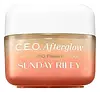
This brightening moisturizer is formulated around Tetrahexyldecyl Ascorbate and Ergothioneine to brighten dull-looking skin and refine skin texture.
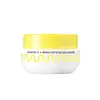
This brightening moisturizer is formulated around Niacinamide and 3-O-Ethyl Ascorbic Acid to brighten dull-looking skin and fade the look of dark spots.


What's inside
What's inside
 Key Ingredients
Benefits
Concerns
Ingredients Side-by-side
Water
Skin ConditioningDimethicone
Emollient

Neopentyl Glycol Diethylhexanoate
Emollient
Tetrahexyldecyl Ascorbate
Antioxidant





Polyglycerin-6
HumectantPropanediol
Solvent
Phenyl Trimethicone
Skin Conditioning
Glycerin
Humectant
Hydroxyethyl Acrylate/Sodium Acryloyldimethyl Taurate Copolymer
Emulsion StabilisingSodium Hyaluronate Crosspolymer
Humectant
Ergothioneine
Antioxidant

Xanthophylls
Skin ConditioningAllantoin
Skin Conditioning
Citrus Aurantium Amara Peel Oil
Skin Conditioning

Sodium Acryloyldimethyltaurate/Vp Crosspolymer
Emulsion StabilisingMannitol
Humectant
Pentylene Glycol
Skin Conditioning
Isododecane
EmollientDimethicone Crosspolymer
Emulsion Stabilising
Sodium Phytate
ChelatingPentaerythrityl Tetra-Di-T-Butyl Hydroxyhydrocinnamate
Antioxidant
Benzotriazolyl Dodecyl P-Cresol
UV AbsorberPolymethylsilsesquioxane
Ammonium Acryloyldimethyltaurate/Beheneth-25 Methacrylate Crosspolymer
Emulsion StabilisingCarthamus Tinctorius Seed Oil
Masking

Citrus Aurantium Dulcis Peel Oil
Masking
Phenoxyethanol
Preservative
Caprylyl Glycol
Emollient
Chlorphenesin
Antimicrobial
Ethylhexylglycerin
Skin ConditioningCitric Acid
Buffering
Polysorbate 60
Emulsifying
Sorbitan Isostearate
Emulsifying
Water, Dimethicone, Neopentyl Glycol Diethylhexanoate, Tetrahexyldecyl Ascorbate, Polyglycerin-6, Propanediol, Phenyl Trimethicone, Glycerin, Hydroxyethyl Acrylate/Sodium Acryloyldimethyl Taurate Copolymer, Sodium Hyaluronate Crosspolymer, Ergothioneine, Xanthophylls, Allantoin, Citrus Aurantium Amara Peel Oil, Sodium Acryloyldimethyltaurate/Vp Crosspolymer, Mannitol, Pentylene Glycol, Isododecane, Dimethicone Crosspolymer, Sodium Phytate, Pentaerythrityl Tetra-Di-T-Butyl Hydroxyhydrocinnamate, Benzotriazolyl Dodecyl P-Cresol, Polymethylsilsesquioxane, Ammonium Acryloyldimethyltaurate/Beheneth-25 Methacrylate Crosspolymer, Carthamus Tinctorius Seed Oil, Citrus Aurantium Dulcis Peel Oil, Phenoxyethanol, Caprylyl Glycol, Chlorphenesin, Ethylhexylglycerin, Citric Acid, Polysorbate 60, Sorbitan Isostearate
Water
Skin ConditioningButylene Glycol
Humectant
Hippophae Rhamnoides Water
Masking
1,2-Hexanediol
Skin Conditioning
Niacinamide
Smoothing



Glycerin
Humectant
Polyglyceryl-10 Laurate
Skin Conditioning
Acrylates/C10-30 Alkyl Acrylate Crosspolymer
Emulsion StabilisingCaprylic/Capric Triglyceride
Masking
Hydroxyethyl Acrylate/Sodium Acryloyldimethyl Taurate Copolymer
Emulsion StabilisingTromethamine
BufferingCitrus Junos Peel Oil
Astringent
3-O-Ethyl Ascorbic Acid
Skin Conditioning
Trehalose
Humectant
Hydrogenated Lecithin
Emulsifying
Ethylhexylglycerin
Skin ConditioningPhytosteryl/Octyldodecyl Lauroyl Glutamate
Skin ConditioningSorbitan Isostearate
Emulsifying
Ceramide NP
Skin Conditioning
Panthenol
Skin Conditioning
Saccharide Isomerate
Humectant
Gardenia Florida Fruit Extract
Skin ConditioningMandelic Acid
Antimicrobial
Ascorbic Acid
Antioxidant
Dextrin
AbsorbentPolyglutamic Acid
Skin Conditioning
Vaccinium Myrtillus Fruit Extract
Skin ConditioningGardenia Jasminoides Fruit Extract
Cosmetic ColorantSodium Hyaluronate
Humectant
Rubus Fruticosus Fruit Extract
AstringentSodium Citrate
BufferingCitric Acid
Buffering
Melilotus Officinalis Extract
AstringentChaenomeles Sinensis Fruit Extract
Antioxidant
Citrus Aurantium Dulcis Flower Extract
Skin ConditioningVaccinium Angustifolium Fruit Extract
Skin Protecting
Prunus Persica Fruit Extract
Abrasive
Pyrus Malus Fruit Extract
Skin Conditioning
Fragaria Vesca Fruit Extract
AstringentAnanas Sativus Fruit Extract
Skin ConditioningVaccinium Vitis-Idaea Fruit Extract
Antioxidant
Actinidia Chinensis Fruit Extract
EmollientVitis Vinifera Fruit Extract
Skin ConditioningRubus Idaeus Fruit Extract
AstringentCitrus Junos Fruit Extract
Skin ConditioningLimonene
Perfuming
Linalool
Perfuming
Water, Butylene Glycol, Hippophae Rhamnoides Water, 1,2-Hexanediol, Niacinamide, Glycerin, Polyglyceryl-10 Laurate, Acrylates/C10-30 Alkyl Acrylate Crosspolymer, Caprylic/Capric Triglyceride, Hydroxyethyl Acrylate/Sodium Acryloyldimethyl Taurate Copolymer, Tromethamine, Citrus Junos Peel Oil, 3-O-Ethyl Ascorbic Acid, Trehalose, Hydrogenated Lecithin, Ethylhexylglycerin, Phytosteryl/Octyldodecyl Lauroyl Glutamate, Sorbitan Isostearate, Ceramide NP, Panthenol, Saccharide Isomerate, Gardenia Florida Fruit Extract, Mandelic Acid, Ascorbic Acid, Dextrin, Polyglutamic Acid, Vaccinium Myrtillus Fruit Extract, Gardenia Jasminoides Fruit Extract, Sodium Hyaluronate, Rubus Fruticosus Fruit Extract, Sodium Citrate, Citric Acid, Melilotus Officinalis Extract, Chaenomeles Sinensis Fruit Extract, Citrus Aurantium Dulcis Flower Extract, Vaccinium Angustifolium Fruit Extract, Prunus Persica Fruit Extract, Pyrus Malus Fruit Extract, Fragaria Vesca Fruit Extract, Ananas Sativus Fruit Extract, Vaccinium Vitis-Idaea Fruit Extract, Actinidia Chinensis Fruit Extract, Vitis Vinifera Fruit Extract, Rubus Idaeus Fruit Extract, Citrus Junos Fruit Extract, Limonene, Linalool
Reviews
Ingredients Explained
These ingredients are found in both products.
Ingredients higher up in an ingredient list are typically present in a larger amount.
Citric Acid is an alpha hydroxy acid (AHA) naturally found in citrus fruits like oranges, lemons, and limes.
Like other AHAs, citric acid can exfoliate skin by breaking down the bonds that hold dead skin cells together. This helps reveal smoother and brighter skin underneath.
However, this exfoliating effect only happens at high concentrations (20%) which can be hard to find in cosmetic products.
Due to this, citric acid is usually included in small amounts as a pH adjuster. This helps keep products slightly more acidic and compatible with skin's natural pH.
In skincare formulas, citric acid can:
While it can provide some skin benefits, research shows lactic acid and glycolic acid are generally more effective and less irritating exfoliants.
Most citric acid used in skincare today is made by fermenting sugars (usually from molasses). This synthetic version is identical to the natural citrus form but easier to stabilize and use in formulations.
Rosacea skin has a lower threshold for acids generally, with 62.5% of rosacea subjects in one study reacting to lactic acid in a sting test. This is why we mark citric acid as a potential rosacea trigger.
However, this ingredient shows up as a pH adjuster or chelator at roughly 0.1-1% in many products. These low levels are unlikely to be an issue for rosacea skin and becomes a potential trigger at exfoliating concentrations (20%). Because everybody's skin is unique, we recommend a patch test if you are unsure.
Learn more about Citric AcidEthylhexylglycerin is created from glycerin. It is a multitasker ingredient that:
The CIR Expert Panel found minimal skin absorption or sensitization of any kind in a safety assessment. Though this ingredient is considered well-tolerated, a small number of cases of allergic dermatitis have been published since 2002. Just be sure to patch test if you are unsure.
Industry-reported use ranges from 8% in rinse-off products and 2% in leave-on formulations.
Learn more about EthylhexylglycerinGlycerin (or glycerol) is a compound naturally found in your skin. It's a powerhouse humectant that pulls water into the stratum corneum.
Topically, glycerin does several things at once:
Your skin makes glycerin on its own (mostly from sebaceous oil breakdown) and shuttles it to your outermost layer of skin, or your epidermis, via aquaporin-3.
Aquaporin-3 is a transporter that is essential for normal skin hydration, elasticity, and repair. Interestingly, mice lacking in AQP3 have dry and less elastic skin that can be fully corrected with glycerin.
This ingredient is non-irritating, plays well with almost every ingredient, and works across all skin types. Typical use is anywhere between 3-10% but can go up to 79% in some leave-on products.
Just know very high concentrations (>40%) can feel tacky in low humidity.
Glycerin is the name for this ingredient in American English. British English uses Glycerol/Glycerine.
Learn more about GlycerinThis is a synthetic polymer. It helps improve the texture of products by adding thickness and gel-like feel.
It is also an emulsifer, meaning it prevents ingredients such as oil and water from separating. It also helps evenly disperse other ingredients.
Sorbitan Isostearate is an emulsifer. It is created from isostearic acid and sorbitol.
As an emulsifier, it keeps the water and oil ingredients from separating. This keeps formulas stable and smooth.
In a 24 hour occlusive patch test on 56 subjects, 10% sorbitan isostearate was completely non-irritating. Most formulas use less than 10%.
Because it's a fatty acid ester, it may not be fungal acne safe since the Malassezia yeast can utilize it as a nutrient source.
Learn more about Sorbitan IsostearateWater. It's the most common cosmetic ingredient of all. You'll usually see it at the top of ingredient lists, meaning that it makes up the largest part of the product.
So why is it so popular? Water most often acts as a solvent - this means that it helps dissolve other ingredients into the formulation.
You'll also recognize water as that liquid we all need to stay alive. If you see this, drink a glass of water. Remember to stay hydrated!
Learn more about Water

