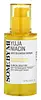
This brightening serum is formulated around Niacinamide and Glycyrrhiza Glabra Root Extract to fade the look of dark spots and brighten dull-looking skin.
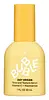
This brightening serum is formulated around Sodium Ascorbyl Phosphate and Niacinamide to brighten dull-looking skin and refine skin texture.


What's inside
What's inside
 Key Ingredients
Benefits
Concerns
Ingredients Side-by-side
Citrus Junos Fruit Extract 83%
Skin ConditioningNiacinamide 10%
Smoothing











Caprylic/Capric Triglyceride
Masking

1,2-Hexanediol
Skin Conditioning
Hydrogenated Poly(C6-14 Olefin)
EmollientBisabolol
Antioxidant
Carbomer
Emulsion StabilisingBrassica Campestris Seed Oil
Skin Conditioning


Xanthan Gum
EmulsifyingEthylhexylglycerin
Skin ConditioningAdenosine
Skin Conditioning
Citrus Junos Peel Oil
Astringent
Melia Azadirachta Flower Extract
Skin ConditioningOcimum Sanctum Leaf Extract
Skin ConditioningGlycyrrhiza Glabra Root Extract
Bleaching
Polyglyceryl-3 Diisostearate
Emulsifying


Melia Azadirachta Leaf Extract
Skin ConditioningWater
Skin ConditioningCurcuma Longa Root Extract
Antioxidant
Glycerin
Humectant
Butylene Glycol
Humectant
Althaea Officinalis Root Extract
Skin Conditioning
Oryza Sativa Bran Extract
Skin Conditioning
3-O-Ethyl Ascorbic Acid
Skin Conditioning
Hydrogenated Lecithin
Emulsifying
Ficus Carica Fruit Extract
Humectant
Punica Granatum Fruit Extract
Antioxidant
Morus Alba Fruit Extract
Antioxidant
Ginkgo Biloba Nut Extract
Skin ConditioningTocopherol
Antioxidant
Polyglyceryl-10 Stearate
Skin Conditioning
Panthenol
Skin Conditioning
Sodium Ascorbyl Phosphate
Antioxidant
Biotin
AntiseborrhoeicFolic Acid
Skin ConditioningPyridoxine
Skin ConditioningCyanocobalamin
Skin ConditioningLinoleic Acid
Cleansing
Riboflavin
Cosmetic ColorantBeta-Carotene
Skin ConditioningInositol
Humectant
Thiamine Hcl
MaskingDisodium EDTA
ChelatingLimonene
Perfuming

Linalool
Perfuming
Citrus Junos Fruit Extract 83%, Niacinamide 10%, Caprylic/Capric Triglyceride, 1,2-Hexanediol, Hydrogenated Poly(C6-14 Olefin), Bisabolol, Carbomer, Brassica Campestris Seed Oil, Xanthan Gum, Ethylhexylglycerin, Adenosine, Citrus Junos Peel Oil, Melia Azadirachta Flower Extract, Ocimum Sanctum Leaf Extract, Glycyrrhiza Glabra Root Extract, Polyglyceryl-3 Diisostearate, Melia Azadirachta Leaf Extract, Water, Curcuma Longa Root Extract, Glycerin, Butylene Glycol, Althaea Officinalis Root Extract, Oryza Sativa Bran Extract, 3-O-Ethyl Ascorbic Acid, Hydrogenated Lecithin, Ficus Carica Fruit Extract, Punica Granatum Fruit Extract, Morus Alba Fruit Extract, Ginkgo Biloba Nut Extract, Tocopherol, Polyglyceryl-10 Stearate, Panthenol, Sodium Ascorbyl Phosphate, Biotin, Folic Acid, Pyridoxine, Cyanocobalamin, Linoleic Acid, Riboflavin, Beta-Carotene, Inositol, Thiamine Hcl, Disodium EDTA, Limonene, Linalool
Water
Skin ConditioningSodium Ascorbyl Phosphate
Antioxidant
Coco-Caprylate/Caprate
Emollient
Glycerin
Humectant
Niacinamide
Smoothing
Alpha-Arbutin
Antioxidant
Tranexamic Acid
Astringent
Ceramide NP
Skin Conditioning
Ceramide AP
Skin Conditioning
Ceramide As
Skin Conditioning
Cholesterol
Emollient
Ceramide Ns
Skin Conditioning
Ceramide EOP
Skin Conditioning
Xanthan Gum
EmulsifyingBrassica Campestris Seed Oil
Skin Conditioning
Ethylhexylglycerin
Skin ConditioningGlycyrrhiza Glabra Root Extract
Bleaching
Polyglyceryl-3 Diisostearate
Emulsifying
Sorbitan Isostearate
Emulsifying
Hydrogenated Lecithin
Emulsifying
Althaea Officinalis Root Extract
Skin Conditioning
Oryza Sativa Bran Extract
Skin Conditioning
Dipropylene Glycol
HumectantGlyceryl Stearate
Emollient
Hydroxyethyl Acrylate/Sodium Acryloyldimethyl Taurate Copolymer
Emulsion StabilisingSodium Polyacryloyldimethyl Taurate
Emulsion StabilisingSodium Polyacrylate
Absorbent
Sucrose Distearate
Emollient
Phenoxyethanol
Preservative
Water, Sodium Ascorbyl Phosphate, Coco-Caprylate/Caprate, Glycerin, Niacinamide, Alpha-Arbutin, Tranexamic Acid, Ceramide NP, Ceramide AP, Ceramide As, Cholesterol, Ceramide Ns, Ceramide EOP, Xanthan Gum, Brassica Campestris Seed Oil, Ethylhexylglycerin, Glycyrrhiza Glabra Root Extract, Polyglyceryl-3 Diisostearate, Sorbitan Isostearate, Hydrogenated Lecithin, Althaea Officinalis Root Extract, Oryza Sativa Bran Extract, Dipropylene Glycol, Glyceryl Stearate, Hydroxyethyl Acrylate/Sodium Acryloyldimethyl Taurate Copolymer, Sodium Polyacryloyldimethyl Taurate, Sodium Polyacrylate, Sucrose Distearate, Phenoxyethanol
Reviews
Ingredients Explained
These ingredients are found in both products.
Ingredients higher up in an ingredient list are typically present in a larger amount.
Althaea Officinalis Root Extract is from a plant called the Marsh Mallow plant. This plant is indigenous to Europe, West Asia, and North Africa.
Marsh Mallow root is an emollient and antioxidant. It helps sooth and soften the skin. When applied to the skin, it blocks enzymes that break down hyaluronic acid.
The marshmallow we eat today is based on an ancient Egyptian dessert made from this plant (Marshmallows do not contain this plant anymore).
Learn more about Althaea Officinalis Root ExtractThis ingredient is also known as rapeseed oil. Rapeseed oil is a lightweight plant oil with a strong fatty acid profile that makes it a great skin conditioner.
It's rich in oleic acid, linoleic acid (LA), and alpha-linoleic acid (ALA). Fatty acids like LA and ALA play an important role in the maintenance of skin barrier function.
They specifically help with reducing transepidermal water loss (TEWL) and supporting the skin's lipid matrix.
Studies show people deficient in essential fatty acids are prone to dermatitis and increased TEWL.
Besides fatty acids, it also contains tocopherols and phytosterols that provide antioxidant support.
Rapeseed oil is composed mostly of C16-18 fatty acids that the Malassezia species can metabolize, making it a potential trigger for fungal acne.
Learn more about Brassica Campestris Seed OilEthylhexylglycerin is created from glycerin. It is a multitasker ingredient that:
The CIR Expert Panel found minimal skin absorption or sensitization of any kind in a safety assessment. Though this ingredient is considered well-tolerated, a small number of cases of allergic dermatitis have been published since 2002. Just be sure to patch test if you are unsure.
Industry-reported use ranges from 8% in rinse-off products and 2% in leave-on formulations.
Learn more about EthylhexylglycerinGlycerin (or glycerol) is a compound naturally found in your skin. It's a powerhouse humectant that pulls water into the stratum corneum.
Topically, glycerin does several things at once:
Your skin makes glycerin on its own (mostly from sebaceous oil breakdown) and shuttles it to your outermost layer of skin, or your epidermis, via aquaporin-3.
Aquaporin-3 is a transporter that is essential for normal skin hydration, elasticity, and repair. Interestingly, mice lacking in AQP3 have dry and less elastic skin that can be fully corrected with glycerin.
This ingredient is non-irritating, plays well with almost every ingredient, and works across all skin types. Typical use is anywhere between 3-10% but can go up to 79% in some leave-on products.
Just know very high concentrations (>40%) can feel tacky in low humidity.
Glycerin is the name for this ingredient in American English. British English uses Glycerol/Glycerine.
Learn more about GlycerinGlycyrrhiza Glabra Root Extract is an extract of the roots of Licorice. It has been found to have several benefits such as skin hydrating, conditioning, and soothing.
One component, glabridin, has extra potent antioxidant and soothing properties. It has also been found to block pigmentation from UVB rays in guinea pigs.
Licorice Root also contains a flavonoid. Flavonoids are a natural substance from in plants. Flavonoids also have antioxidant properties.
Another component, glycyrrhizin, has been found to have anti-inflammatory and antimicrobial benefits. This may make licorice root extract effective at treating acne. However, more research is needed to support this.
Liquiritin is one of the flavone compounds found in licorice. It has been found to help lighten skin by preventing tyrosinase from reacting with tyrosine. When the two react, protein is converted to melanin. Melanin is the substance in your body that gives your features pigmentation.
Learn more about Glycyrrhiza Glabra Root ExtractHydrogenated Lecithin is a more stable version of lecithin.
It's made by taking lecithin (a phospholipid commonly found in soybeans and egg yolks) and hydrogenating it. This just means the unsaturated fatty acids are turned into saturated ones so they don't go bad as easily.
This ingredient is an emollient, emulsifier, and penetration enhancer. As an emollient, it helps soften and hydrate skin by trapping moisture within. As an emulsifier, it prevents oil and water ingredients from separating.
Hydrogenated Lecithin can form tiny spherical structures made of phospholipid bilayers called liposomes. These liposomes are able to capture compounds inside their structure and deliver them through the skin barrier.
Because phospholipids are a natural component of our cell membranes, this ingredient is inherently compatible with skin.
A 2021 study found lecithin-based surfactants were less harsh and more tolerable comared to Sodium Lauryl Sulfate (SLS).
Learn more about Hydrogenated LecithinNiacinamide is a multitasking form of vitamin B3 that strengthens the skin barrier, reduces pores and dark spots, regulates oil, and improves signs of aging.
And the best part? It's gentle and well-tolerated by most skin types, including sensitive and reactive skin.
You might have heard of "niacin flush", or the reddening of skin that causes itchiness. Niacinamide has not been found to cause this.
In very rare cases, some individuals may not be able to tolerate niacinamide at all or experience an allergic reaction to it.
If you are experiencing flaking, irritation, and dryness with this ingredient, be sure to double check all your products as this ingredient can be found in all categories of skincare.
When incorporating niacinamide into your routine, look out for concentration amounts. Typically, 5% niacinamide provides benefits such as fading dark spots. However, if you have sensitive skin, it is better to begin with a smaller concentration.
When you apply niacinamide to your skin, your body converts it into nicotinamide adenine dinucleotide (NAD). NAD is an essential coenzyme that is already found in your cells as "fuel" and powers countless biological processes.
In your skin, NAD helps repair cell damage, produce new healthy cells, support collagen production, strengthen the skin barrier, and fight environmental stressors (like UV and pollution).
Our natural NAD levels start to decline with age, leading to slower skin repair, visible aging, and a weaker skin barrier. By providing your skin niacinamide, you're recharging your skin's NAD levels. This leads to stronger, healthier, and younger looking skin.
Another name for vitamin B3 is nicotinamide. This vitamin is water-soluble and our bodies don't store it. We obtain Vitamin B3 from either food or skincare. Meat, fish, wheat, yeast, and leafy greens contain vitamin B3.
The type of niacinamide used in skincare is synthetically created.
Learn more about NiacinamideOryza Sativa Bran Extract comes from the outer layer of a rice kernel. It is a byproduct of milling rice, or the operation to produce a whole grain rice product.
This ingredient has moisturizing properties due to its components of polysaccharides and omega-3 fatty acids. It also contains calcium, selenium, phosphorus, iron, and zinc.
Oryza Sativa Bran Extract contains numerous antioxidants such as ferulic acid. Antioxidants help fight free-radical molecules. Free-radical molecules are capable of damaging our cells and other genetic material.
Learn more about Oryza Sativa Bran ExtractPolyglyceryl-3 Diisostearate is a plant-derived, oil-soluble emulsifier. It keeps water-in-oil emulsions stable to prevent the ingredients from separating.
On the safety front, it's considered non-irritating and well-tolerated (it can even be found in formulations for baby skin).
This ingredient may not be fungal acne safe because research has shown that the Malassezia species can grow in the presence of fatty acid esters with chain lengths above C12 (and this one is C18).
While it does have a comedogenic rating of 4, the comedogenic rating scale was developed from rabbit ear models which has limited clinical relevance to human skin. Studies also show that comedogenic ingredients cannot predict how the overall formula will behave on human skin.
Learn more about Polyglyceryl-3 DiisostearateSodium Ascorbyl Phosphate (SAP) is a water-soluble form of Vitamin C. It is the salt of ascorbic acid.
This ingredient is commonly used in skincare because it's more formulation-stable while still offering the same benefits as pure ascorbic acid. Ascorbic acid is notorious for breaking down when exposed to sunlight and oxygen whereas SAP has been shown to be more stable.
Studies show SAP has anti-acne and antioxidant benefits. One study found 5% of SAP lotion to be an effective ingredient for treating acne vulgaris. This is because research shows that SAP may help control acne by reducing acne-causing bacteria and slowing the oxidation of skin oils caused by UV exposure.
In addition to acne, vitamin C is important for skin structure. Lab studies suggest SAP may support collagen production in skin cells, making it a great ingredient in anti-aging routines.
Vitamin C has many benefits: it helps reduce redness, improve skin texture, fade the appearance of dark spots, and brighten the skin.
Read more about other types of Vitamin C:
Learn more about Sodium Ascorbyl PhosphateWater. It's the most common cosmetic ingredient of all. You'll usually see it at the top of ingredient lists, meaning that it makes up the largest part of the product.
So why is it so popular? Water most often acts as a solvent - this means that it helps dissolve other ingredients into the formulation.
You'll also recognize water as that liquid we all need to stay alive. If you see this, drink a glass of water. Remember to stay hydrated!
Learn more about WaterXanthan gum is used as a stabilizer and thickener within cosmetic products. It helps give products a sticky, thick feeling - preventing them from being too runny.
On the technical side of things, xanthan gum is a polysaccharide - a combination consisting of multiple sugar molecules bonded together.
Xanthan gum is a pretty common and great ingredient. It is a natural, non-toxic, non-irritating ingredient that is also commonly used in food products.
Learn more about Xanthan Gum

