
What's inside
What's inside
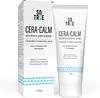 Key Ingredients
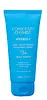
Benefits
Concerns
Ingredients Side-by-side
Water
Skin ConditioningGlycerin
Humectant



Aloe Barbadensis Leaf Extract
Emollient

Centella Asiatica Extract
Cleansing
Ocimum Basilicum Extract
Antioxidant
Dimethicone
Emollient
Caprylic/Capric Triglyceride
Masking
C12-15 Alkyl Benzoate
AntimicrobialIsoamyl Laurate
Emollient
Oryza Sativa Bran Water
Masking
Carbomer
Emulsion StabilisingTocopheryl Acetate
Antioxidant
Squalane
Emollient
Sodium PCA
Humectant
Garcinia Indica Seed Butter
Skin Conditioning
Niacinamide
Smoothing




Allantoin
Skin Conditioning
Hyaluronic Acid
Humectant
Ceramide NP
Skin Conditioning
Ceramide AP
Skin Conditioning
Ceramide EOP
Skin Conditioning
Phenoxyethanol
Preservative
Ethylhexylglycerin
Skin ConditioningParfum
Masking

Sodium Gluconate
Skin ConditioningWater, Glycerin, Aloe Barbadensis Leaf Extract, Centella Asiatica Extract, Ocimum Basilicum Extract, Dimethicone, Caprylic/Capric Triglyceride, C12-15 Alkyl Benzoate, Isoamyl Laurate, Oryza Sativa Bran Water, Carbomer, Tocopheryl Acetate, Squalane, Sodium PCA, Garcinia Indica Seed Butter, Niacinamide, Allantoin, Hyaluronic Acid, Ceramide NP, Ceramide AP, Ceramide EOP, Phenoxyethanol, Ethylhexylglycerin, Parfum, Sodium Gluconate
Water
Skin ConditioningMyristyl Myristate
Emollient

Caprylic/Capric Triglyceride
Masking
Propylene Glycol
Humectant
Cetearyl Alcohol
Emollient
Glyceryl Stearate
Emollient
Dimethicone
Emollient
Aloe Barbadensis Leaf Juice
Skin Conditioning
Mangifera Indica Seed Butter
Skin Conditioning
Phenoxyethanol
Preservative
Carbomer
Emulsion StabilisingTocopheryl Acetate
Antioxidant
Triethanolamine
BufferingXylitylglucoside
Humectant
Anhydroxylitol
Humectant
Xylitol
Humectant
Sodium PCA
Humectant
Sodium Lactate
BufferingArginine
Masking
Aspartic Acid
Masking
PCA
Humectant
Glycine
Buffering
Alanine
MaskingSerine
Masking
Valine
MaskingProline
Skin ConditioningThreonine
Isoleucine
Skin ConditioningHistidine
Humectant
Phenylalanine
Masking
Squalane
Emollient
Ceramide NP
Skin Conditioning
Ceramide AP
Skin Conditioning
Ceramide EOP
Skin Conditioning
Phytosphingosine
Skin Conditioning
Cholesterol
Emollient
Sodium Lauroyl Lactylate
EmulsifyingXanthan Gum
EmulsifyingSodium Hyaluronate
Humectant
Saccharide Isomerate
Humectant
Phenethyl Alcohol
MaskingPanthenol
Skin Conditioning
Disodium EDTA
Allantoin
Skin Conditioning
Water, Myristyl Myristate, Caprylic/Capric Triglyceride, Propylene Glycol, Cetearyl Alcohol, Glyceryl Stearate, Dimethicone, Aloe Barbadensis Leaf Juice, Mangifera Indica Seed Butter, Phenoxyethanol, Carbomer, Tocopheryl Acetate, Triethanolamine, Xylitylglucoside, Anhydroxylitol, Xylitol, Sodium PCA, Sodium Lactate, Arginine, Aspartic Acid, PCA, Glycine, Alanine, Serine, Valine, Proline, Threonine, Isoleucine, Histidine, Phenylalanine, Squalane, Ceramide NP, Ceramide AP, Ceramide EOP, Phytosphingosine, Cholesterol, Sodium Lauroyl Lactylate, Xanthan Gum, Sodium Hyaluronate, Saccharide Isomerate, Phenethyl Alcohol, Panthenol, Disodium EDTA, Allantoin
Ingredients Explained
These ingredients are found in both products.
Ingredients higher up in an ingredient list are typically present in a larger amount.
Allantoin is a soothing ingredient known for its protective and moisturizingg properties. Because of this, it is often added to products with strong active ingredients.
Studies show higher concentrations of this ingredient can promote wound healing.
Though it can be derived from the comfrey plant, allantoin is produced synthetically for cosmetic products to ensure purity.
Learn more about AllantoinThis ingredient is an emollient, solvent, and texture enhancer. It is considered a skin-softener by helping the skin prevent moisture loss.
It helps thicken a product's formula and makes it easier to spread by dissolving clumping compounds.
Caprylic Triglyceride is made by combining glycerin with coconut oil, forming a clear liquid.
While there is an assumption Caprylic Triglyceride can clog pores due to it being derived from coconut oil, there is no research supporting this.
Learn more about Caprylic/Capric TriglycerideCarbomer is a polymer of acrylic acid. Its main role is to create a gel consistency.
A high amount of carbomer can cause pilling or balling up of products. Don't worry, most products contain 1% or less of carbomer.
Ceramide AP is formally known as Ceramide 6.
Ceramides are intercellular lipids naturally found in our skin that bonds dead skin cells together to create a barrier. Having a strong skin barrier leads to more firm and hydrated skin.
They are known for their ability to hold water and thus are a great ingredient for dry skin. By bolstering the skin ceramides act as a barrier against irritating ingredients. This can help with inflammation as well.
If you would like to eat ceramides, sweet potatoes contain a small amount.
Read more about other common types of ceramides here:
Ceramide NP
Ceramide EOP
Ceramide EOP is formally known as Ceramide 1 and Ceramide 1 A.
EOP stands for a linked Ester fatty acid, a linked Omega hydroxy fatty acid, and the Phytosphingosine base.
Ceramides are intercellular lipids naturally found in our skin. They bind dead skin cells together to create a barrier. The ceramides in our skin have the ability to hold water to keep our skin hydrated.
Ceramides are an important building block for our skin barrier. A strong skin barrier helps with:
If you would like to eat ceramides, sweet potatoes contain a small amount.
Read more about other common types of ceramides here:
Learn more about Ceramide EOPCeramide NP is a type of ceramide and formally known as ceramide 3.
Ceramides are intercellular lipids naturally found in our skin that bonds dead skin cells together to create a barrier. They are known for their ability to hold water and thus are a great ingredient for dry skin.
Ceramides are an important building block for our skin barrier. A stronger barrier helps the skin look more firm and hydrated. By bolstering the skin ceramides act as a barrier against irritating ingredients. This can help with inflammation as well.
If you would like to eat ceramides, sweet potatoes contain a small amount.
Read more about other common types of ceramides here:
Ceramide AP
Ceramide EOP
Dimethicone is a type of synthetic silicone created from natural materials such as quartz.
What it does:
Dimethicone comes in different viscosities:
Depending on the viscosity, dimethicone has different properties.
Ingredients lists don't always show which type is used, so we recommend reaching out to the brand if you have questions about the viscosity.
This ingredient is unlikely to cause irritation because it does not get absorbed into skin. However, people with silicone allergies should be careful about using this ingredient.
Note: Dimethicone may contribute to pilling. This is because it is not oil or water soluble, so pilling may occur when layered with products. When mixed with heavy oils in a formula, the outcome is also quite greasy.
Learn more about DimethiconePhenoxyethanol is a preservative that has germicide, antimicrobial, and aromatic properties. Studies show that phenoxyethanol can prevent microbial growth. By itself, it has a scent that is similar to that of a rose.
It's often used in formulations along with Caprylyl Glycol to preserve the shelf life of products.
Sodium PCA is the sodium salt of pyroglutamic acid. It is naturally occurring in our skin's natural moisturizing factors where it works to maintain hydration.
The PCA stands for pyrrolidone carboxylic acid, a natural amino acid derivative.
This ingredient has skin conditioning, anti-inflammatory, and humectant properties. Humectants help hydrate your skin by drawing moisture from the air. This helps keep your skin moisturized.
Learn more about Sodium PCASqualane is an emollient that helps the skin hold onto moisture. It's an oily liquid that occurs naturally in certain types of fish and plant oils.
Because squalane boosts hydration in the skin, it also comes with plenty of benefits: it is an antioxidant and can help fight free radicals and skin damage. Squalane is also found to have a detoxifying effect when applied.
Squalane comes from squalene, which occurs naturally within the sebum of our skin. It is one of the oils our skin produces to keep itself hydrated. Squalane is the hydrogenated version of squalene and has a longer shelf life.
Research shows that squalane is non-irritating (even at 100% concentration).
In general, it's a fantastic ingredient. It does a great job at hydrating the skin, and it's suitable for those with sensitive skin.
The source of squalane may impact malassezia / fungal acne. This is because olive oil derived squalane can contain impurities such as fatty acids and plant waxes. Sugarcane derived squalane is recommended for anyone with malassezia concerns.
Is squalane vegan?
This depends on the source. Squalane can be derived from both plants and animals. Most squalane used in skincare comes from plants.
Please note: the source of squalane is only known if disclosed by the brand. We recommend reaching out to the brand if you have any questions about their squalane.
Read more about squalene with an "e".
Is squalane an oil?
Squalane is often called an oil, but it’s technically not; it’s a hydrocarbon, meaning it’s only made of carbon and hydrogen, unlike true oils which are triglycerides made of fatty acids and glycerol.
The term “oil-free” isn’t regulated, so companies can define it however they want. Some exclude all oils, while others just avoid mineral oil or comedogenic oils.
While some people avoid oils thinking they cause breakouts, the right kind of oil (or oil-like ingredient like squalane) can actually help balance and hydrate your skin. It’s worth testing out simple oils or squalane to see what works best for your skin.
Learn more about SqualaneTocopheryl Acetate is AKA Vitamin E. It is an antioxidant and protects your skin from free radicals. Free radicals damage the skin by breaking down collagen.
One study found using Tocopheryl Acetate with Vitamin C decreased the number of sunburned cells.
Tocopheryl Acetate is commonly found in both skincare and dietary supplements.
Learn more about Tocopheryl AcetateWater. It's the most common cosmetic ingredient of all. You'll usually see it at the top of ingredient lists, meaning that it makes up the largest part of the product.
So why is it so popular? Water most often acts as a solvent - this means that it helps dissolve other ingredients into the formulation.
You'll also recognize water as that liquid we all need to stay alive. If you see this, drink a glass of water. Stay hydrated!
Learn more about Water
