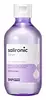
This acne toner is formulated around Houttuynia Cordata Extract and Betaine Salicylate to clear breakouts and calm redness.
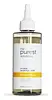
This oil-control treatment is formulated around Salicylic Acid and Glycolic Acid to balance excess oil and clear breakouts.


What's inside
What's inside
 Key Ingredients
Benefits
Concerns
Ingredients Side-by-side
Water
Skin ConditioningMethylpropanediol
SolventGlycerin
Humectant


Ceramide AP
Skin Conditioning



1,2-Hexanediol
Skin Conditioning
Houttuynia Cordata Extract
Skin Conditioning
Betaine
Humectant
Hydroxyethylcellulose
Emulsion StabilisingEthylhexylglycerin
Skin ConditioningPolyglyceryl-10 Laurate
Skin Conditioning

Carbomer
Emulsion StabilisingAllantoin
Skin Conditioning
Disodium EDTA
Tromethamine
BufferingVitis Vinifera Fruit Extract
Skin ConditioningAnthemis Nobilis Flower Extract
Masking
Citric Acid
Buffering

Squalene
Emollient
Butylene Glycol
Humectant
Betaine Salicylate
Antimicrobial




Gluconolactone
Skin Conditioning

Diospyros Kaki Leaf Extract
Skin Protecting
Polygonum Cuspidatum Root Extract
Antioxidant
Coffea Arabica Seed Extract
Masking
Carthamus Tinctorius Flower Extract
Skin ConditioningZanthoxylum Piperitum Fruit Extract
Skin ConditioningCastanea Crenata Shell Extract
Skin ConditioningCamellia Sinensis Leaf Extract
Antimicrobial
Pentylene Glycol
Skin Conditioning
Hydrolyzed Hyaluronic Acid
Humectant
Sodium Hyaluronate Crosspolymer
Humectant
Sodium Hyaluronate
Humectant
Hyaluronic Acid
Humectant
Hydrolyzed Sodium Hyaluronate
Skin Conditioning
Water, Methylpropanediol, Glycerin, Ceramide AP, 1,2-Hexanediol, Houttuynia Cordata Extract, Betaine, Hydroxyethylcellulose, Ethylhexylglycerin, Polyglyceryl-10 Laurate, Carbomer, Allantoin, Disodium EDTA, Tromethamine, Vitis Vinifera Fruit Extract, Anthemis Nobilis Flower Extract, Citric Acid, Squalene, Butylene Glycol, Betaine Salicylate, Gluconolactone, Diospyros Kaki Leaf Extract, Polygonum Cuspidatum Root Extract, Coffea Arabica Seed Extract, Carthamus Tinctorius Flower Extract, Zanthoxylum Piperitum Fruit Extract, Castanea Crenata Shell Extract, Camellia Sinensis Leaf Extract, Pentylene Glycol, Hydrolyzed Hyaluronic Acid, Sodium Hyaluronate Crosspolymer, Sodium Hyaluronate, Hyaluronic Acid, Hydrolyzed Sodium Hyaluronate
Water
Skin ConditioningPentylene Glycol
Skin Conditioning
Ethoxydiglycol
HumectantSalicylic Acid
Masking


Glycolic Acid
Buffering

Lactic Acid
Buffering
Citric Acid
Buffering
Tartaric Acid
Buffering
Malic Acid
Buffering
Pyrus Malus Fruit Extract
Skin Conditioning
Vitis Vinifera Leaf Extract
Skin ConditioningCitrus Medica Limonum Fruit Extract
Skin ConditioningVaccinium Myrtillus Fruit/Leaf Extract
AstringentSaccharum Officinarum Extract
MoisturisingPropylene Glycol
Humectant
Phenethyl Alcohol
Masking1,2-Hexanediol
Skin Conditioning
Tasmannia Lanceolata Fruit/Leaf Extract
Antioxidant
Centella Asiatica Extract
Cleansing
Inulin
Skin Conditioning
Fructose
Humectant
Sodium Hyaluronate Crosspolymer
Humectant
Sodium Hyaluronate
Humectant
Sodium Acetylated Hyaluronate
Humectant
Hydrolyzed Sodium Hyaluronate
Skin Conditioning
Panthenol
Skin Conditioning
Niacinamide
Smoothing
Zinc PCA
Humectant
Anthemis Nobilis Flower Extract
Masking
Aloe Barbadensis Leaf Juice
Skin Conditioning
Curcuma Longa Root Extract
Antioxidant
Water, Pentylene Glycol, Ethoxydiglycol, Salicylic Acid, Glycolic Acid, Lactic Acid, Citric Acid, Tartaric Acid, Malic Acid, Pyrus Malus Fruit Extract, Vitis Vinifera Leaf Extract, Citrus Medica Limonum Fruit Extract, Vaccinium Myrtillus Fruit/Leaf Extract, Saccharum Officinarum Extract, Propylene Glycol, Phenethyl Alcohol, 1,2-Hexanediol, Tasmannia Lanceolata Fruit/Leaf Extract, Centella Asiatica Extract, Inulin, Fructose, Sodium Hyaluronate Crosspolymer, Sodium Hyaluronate, Sodium Acetylated Hyaluronate, Hydrolyzed Sodium Hyaluronate, Panthenol, Niacinamide, Zinc PCA, Anthemis Nobilis Flower Extract, Aloe Barbadensis Leaf Juice, Curcuma Longa Root Extract
Reviews
Ingredients Explained
These ingredients are found in both products.
Ingredients higher up in an ingredient list are typically present in a larger amount.
1,2-Hexanediol is a synthetic liquid and another multi-functional powerhouse.
It is a:
- Humectant, drawing moisture into the skin
- Emollient, helping to soften skin
- Solvent, dispersing and stabilizing formulas
- Preservative booster, enhancing the antimicrobial activity of other preservatives
Anthemis Nobilis Flower Extract is from the Roman Chamomile flower. It helps soothe the skin and contains antioxidants.
Citric Acid is an alpha hydroxy acid (AHA) naturally found in citrus fruits like oranges, lemons, and limes.
Like other AHAs, citric acid can exfoliate skin by breaking down the bonds that hold dead skin cells together. This helps reveal smoother and brighter skin underneath.
However, this exfoliating effect only happens at high concentrations (20%) which can be hard to find in cosmetic products.
Due to this, citric acid is usually included in small amounts as a pH adjuster. This helps keep products slightly more acidic and compatible with skin's natural pH.
In skincare formulas, citric acid can:
While it can provide some skin benefits, research shows lactic acid and glycolic acid are generally more effective and less irritating exfoliants.
Most citric acid used in skincare today is made by fermenting sugars (usually from molasses). This synthetic version is identical to the natural citrus form but easier to stabilize and use in formulations.
Rosacea skin has a lower threshold for acids generally, with 62.5% of rosacea subjects in one study reacting to lactic acid in a sting test. This is why we mark citric acid as a potential rosacea trigger.
However, this ingredient shows up as a pH adjuster or chelator at roughly 0.1-1% in many products. These low levels are unlikely to be an issue for rosacea skin and becomes a potential trigger at exfoliating concentrations (20%). Because everybody's skin is unique, we recommend a patch test if you are unsure.
Learn more about Citric AcidThis ingredient is created by putting sodium hyaluronate through hydrolysis.
You might know this as 'mini' or 'ultra low-molecular weight' hyaluronic acid. The small molecule size means it is able to travel deeper in the skin.
According to studies, low molecular-weight hyaluronic acid can:
One study from 2011 found ultra-low weight HA to show pro-inflammatory properties. Another study from 2022 found it to downregulate UV-B induced inflammation.
Hydrolysis is a process of changing a molecule using water or enzymes.
This ingredient is water-soluble.
Learn more about Hydrolyzed Sodium HyaluronatePentylene Glycol (1,2-pentanediol) is a multitasking little diol with three main roles in a formula:
Research on alkanediols (the family pentylene glycol belongs to) show they work by disrupting microbial cell membranes. This disruption helps the primary preservative system in a product work more effectively at lower doses.
On the safety side, the Cosmetic Ingredient Review Expert Panel has concluded this ingredient to be safe as used in current cosmetic practices + concentrations.
Typical use levels in a formula run about 1-5%.
Learn more about Pentylene GlycolSodium Hyaluronate is the salt form of hyaluronic acid. It is a long sugar chain that is naturally found in your skin, joints, and connective tissue that maintains hydration and elasticity.
In skincare, it works as a humectant. It pulls water from the environment and deeper layers of skin and binds it to the surface.
Interestingly, the size of the molecule affects its behavior:
Some clinical evidence links low molecular weight versions to improved wrinkle depth, elasticity, anti-inflammatory effects, and barrier repair.
Many serums use a blend of both weights so you can get surface hydration plus longer-lasting and deeper effects.
You'll typically see concentrations between 0.1-2% for this ingredient.
Learn more about Sodium HyaluronateSodium Hyaluronate Crosspolymer is a crosslinked version of sodium hyaluronate. This just means it's linked into a 3D mesh network that lets it be more stable and sit on skin as a cohesive, gel-like film rather than sinking into skin.
A 2016 human skin study found crosslinked HA increased epidermal water content by 7.6% over the control group and reduced transepidermal water loss by 27.8%.
A follow-up clinical trial found that a topical crosslinked HA serum applied after fillers, microneedling, or chemical peels was well-tolerated and enhanced skin quality at 14 / 28 days.
More recent research suggests that concentrations as low as 0.03% can act as a penetration enhancer for other skincare actives.
Learn more about Sodium Hyaluronate CrosspolymerWater. It's the most common cosmetic ingredient of all. You'll usually see it at the top of ingredient lists, meaning that it makes up the largest part of the product.
So why is it so popular? Water most often acts as a solvent - this means that it helps dissolve other ingredients into the formulation.
You'll also recognize water as that liquid we all need to stay alive. If you see this, drink a glass of water. Remember to stay hydrated!
Learn more about Water

