This oil-based makeup remover is made to dissolve makeup, sunscreen, and daily buildup.
This oil-based makeup remover is made to dissolve makeup, sunscreen, and daily buildup.


What's inside
What's inside
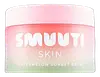 Key Ingredients
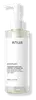
Benefits
Concerns
Ingredients Side-by-side
Ethylhexyl Palmitate
Emollient




Sorbeth-30 Tetraoleate
Emulsifying
Cetyl Ethylhexanoate
EmollientIsopropyl Palmitate
Emollient
Propylene Glycol Dicaprylate/Dicaprate
EmollientTriethylhexanoin
MaskingSynthetic Wax
Abrasive
Zea Mays Germ Oil
Emollient
Silica Dimethyl Silylate
EmollientButyrospermum Parkii Butter
Skin Conditioning

Caprylic/Capric Triglyceride
Masking
1,2-Hexanediol
Skin Conditioning
Citrullus Lanatus Fruit Extract
Skin Conditioning
Butylene Glycol
Humectant
Glycerin
Humectant
Hydrolyzed Hyaluronic Acid
Humectant

Potassium Hyaluronate
Skin ConditioningPentaerythrityl Tetra-Di-T-Butyl Hydroxyhydrocinnamate
Antioxidant
Water
Skin ConditioningSodium Hyaluronate
Humectant
Hyaluronic Acid
Humectant
Caprylyl Glycol
Emollient
Hydroxypropyltrimonium Hyaluronate
Sodium Acetylated Hyaluronate
Humectant
Palmitoyl Tetrapeptide-7
Skin Conditioning

Acetyl Hexapeptide-8
Humectant
Copper Tripeptide-1
Skin Conditioning
Nonapeptide-1
Skin Conditioning
Tripeptide-1
Skin Conditioning
Palmitoyl Pentapeptide-4
Skin Conditioning
Palmitoyl Tripeptide-1
Skin Conditioning
Hexapeptide-9
Skin Conditioning
Palmitoyl Hexapeptide-12
Skin Conditioning
Sodium Hyaluronate Crosspolymer
Humectant
Buteth-3
SolventSodium Benzotriazolyl Butylphenol Sulfonate
UV AbsorberTributyl Citrate
SolventEclipta Prostrata Extract
Skin Conditioning
Melia Azadirachta Leaf Extract
Skin ConditioningMoringa Oleifera Seed Oil
Emollient
Ethylhexyl Palmitate, Sorbeth-30 Tetraoleate, Cetyl Ethylhexanoate, Isopropyl Palmitate, Propylene Glycol Dicaprylate/Dicaprate, Triethylhexanoin, Synthetic Wax, Zea Mays Germ Oil, Silica Dimethyl Silylate, Butyrospermum Parkii Butter, Caprylic/Capric Triglyceride, 1,2-Hexanediol, Citrullus Lanatus Fruit Extract, Butylene Glycol, Glycerin, Hydrolyzed Hyaluronic Acid, Potassium Hyaluronate, Pentaerythrityl Tetra-Di-T-Butyl Hydroxyhydrocinnamate, Water, Sodium Hyaluronate, Hyaluronic Acid, Caprylyl Glycol, Hydroxypropyltrimonium Hyaluronate, Sodium Acetylated Hyaluronate, Palmitoyl Tetrapeptide-7, Acetyl Hexapeptide-8, Copper Tripeptide-1, Nonapeptide-1, Tripeptide-1, Palmitoyl Pentapeptide-4, Palmitoyl Tripeptide-1, Hexapeptide-9, Palmitoyl Hexapeptide-12, Sodium Hyaluronate Crosspolymer, Buteth-3, Sodium Benzotriazolyl Butylphenol Sulfonate, Tributyl Citrate, Eclipta Prostrata Extract, Melia Azadirachta Leaf Extract, Moringa Oleifera Seed Oil
Ethylhexyl Palmitate
Emollient
Sorbeth-30 Tetraoleate
Emulsifying
Sorbitan Sesquioleate
Emulsifying
Caprylic/Capric Triglyceride
Masking
Butyl Avocadate
Skin Conditioning
Parfum
Masking


Helianthus Annuus Seed Oil
Emollient
Macadamia Ternifolia Seed Oil
Emollient
Olea Europaea Fruit Oil
Masking
Simmondsia Chinensis Seed Oil
Emollient
Vitis Vinifera Seed Oil
Emollient
Caprylyl Glycol
Emollient
Ethylhexylglycerin
Skin ConditioningCurcuma Longa Root Extract
Antioxidant
Melia Azadirachta Flower Extract
Skin ConditioningTocopherol
Antioxidant


Melia Azadirachta Leaf Extract
Skin ConditioningHouttuynia Cordata Extract
Skin Conditioning
Corallina Officinalis Extract
Skin Conditioning
Melia Azadirachta Bark Extract
AntimicrobialMoringa Oleifera Seed Oil
Emollient
Ocimum Sanctum Leaf Extract
Skin ConditioningEthylhexyl Palmitate, Sorbeth-30 Tetraoleate, Sorbitan Sesquioleate, Caprylic/Capric Triglyceride, Butyl Avocadate, Parfum, Helianthus Annuus Seed Oil, Macadamia Ternifolia Seed Oil, Olea Europaea Fruit Oil, Simmondsia Chinensis Seed Oil, Vitis Vinifera Seed Oil, Caprylyl Glycol, Ethylhexylglycerin, Curcuma Longa Root Extract, Melia Azadirachta Flower Extract, Tocopherol, Melia Azadirachta Leaf Extract, Houttuynia Cordata Extract, Corallina Officinalis Extract, Melia Azadirachta Bark Extract, Moringa Oleifera Seed Oil, Ocimum Sanctum Leaf Extract
Reviews
Ingredients Explained
These ingredients are found in both products.
Ingredients higher up in an ingredient list are typically present in a larger amount.
Caprylic/Capric Triglyceride (aka MCT Oil) is a lightweight emollient, solvent, and texture enhancer. It is considered a skin-softener by helping to prevent moisture loss.
Though it behaves like an oil, it is not technically one due to its chemical composition. One perk of this ingredient is that it is very stable, resistant to oxidation, and unlikely to go rancid.
In practice, that translates to a long shelf life and a consistently elegant skin feel.
While there is an assumption Caprylic Triglyceride can clog pores due to it being derived from coconut oil, there is no research supporting this. Just patch test if you have concerns.
Fractionated coconut oil and MCT Oil are both listed as Caprylic/Capric Triglyceride according to INCI. This is because INCI names are based on the ingredient’s final chemical composition and not its marketing name or source.
This ingredient is treated as the gold standard fungal acne safe oil. Even though it is coconut derived, the problematic lauric acid is stripped out.
This leaves just caprylic (C8) and capric (C10) acid. These chain lengths actually trend antifungal; a 2020 study found caprylic acid was enough to disrupt Malassezia furfur cell membrane, with a caprylic acid derivative damaging membrane structures at concentrations as low as 0.2%.
Learn more about Caprylic/Capric TriglycerideCaprylyl Glycol is a humectant, skin conditioner, emollient, and preservative booster derived from either caprylic acid or synthetically created.
Typical use levels vary from 0.3-1% as a preservative booster and go up to 2% to condition skin.
Because it is not a free-fatty acid, this ingredient is fungal acne safe (there's nothing for Malassezia to feed on).
Learn more about Caprylyl GlycolEthylhexyl Palmitate, also known as octyl palmitate, is created from 2-ethylhexyl alcohol and palmitic acid.
In cosmetics, it plays many roles:
One thing worth noting: a controlled study found this ingredient applied under occlusion to acne-prone subjects increased microcomedones. Just keep in mind this was under occlusive conditions and don't reflect how most products are used day-to-day.
For most people, this is a well-tolerated and lightweight ingredient.
This ingredient may not be fungal acne safe because it is an ester of palmitic acid, a C16 fatty acid that falls within the C11-24 range that Malassezia can metabolize.
Learn more about Ethylhexyl PalmitateThis ingredient is also known as neem leaf extract. It contains natural compounds like nimbidin, quercetin, and other polyphenols that give it antibacterial, antifungal, and anti-inflammatory activity.
Lab studies have shown neem leaf extract can inhibit acne-related bacteria and help calm skin. Animal studies on wound gels using 1-3% neem leaf extract found it sped up healing without causing irritation.
A wound-healing study testing gels with the extract at 1%, 2%, and 3% concentrations and found none of them irritated the skin.
Most commercial products also use it in a similar low range (typically under 5%).
Allergy-wise, there are some case reports on neem oil causing allergic contact dermatitis so people with plant/botanical sensitivities may want to patch test first.
Learn more about Melia Azadirachta Leaf ExtractMoringa Oleifera Seed Oil is a lightweight oil from the seeds of the Moringa oleifera tree. In cosmetics, it's an emollient that forms a light film to slow water loss and soften skin.
Its fatty acid composition is dominated by oleic acid (70-78%), with smaller amounts of behenic, palmitic, and stearic acids (this profile is actually pretty similar to olive oil).
Notably, this ingredient is oxidatively stable for an oil and resists going rancid as fast as other oils.
A small, in vivo study on 32 participants found a cream with this ingredient increased skin hydration with no reported skin irritation. It also found the tocopherol content gave it some antioxidant activity as well.
One thing to flag for fungal acne:
Because this oil is so high in oleic acid, Malassezia can use it as a food source and this ingredient may not be fungal acne safe.
For everyone else, this ingredient is well-tolerated and nourishing with a good safety track record.
Learn more about Moringa Oleifera Seed OilSorbeth-30 Tetraoleate is a surfactant and emulsifier.
This ingredient is a tetraester from oleic acid and polyethylene glycol ether of sorbitol.
As an emulsifier, it helps ingredients such as oil and water mix together. This allows the dirt and oils in your skin to be washed away.
One study found pumpkin oil containing Sorbeth-30 Tetraoleate helped hydrate the skin and did not cause any irritation.
Learn more about Sorbeth-30 Tetraoleate

