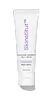
This barrier-repair moisturizer is formulated around Squalane to strengthen the skin barrier and hydrate skin.
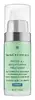
This brightening moisturizer is formulated around Azelaic Acid and Niacinamide to brighten dull-looking skin and calm redness.


What's inside
What's inside
 Key Ingredients
Benefits
Concerns
Ingredients Side-by-side
Water
Skin ConditioningGlycerin
Humectant


Dimethicone/Vinyl Dimethicone Crosspolymer
Skin Conditioning
Pistacia Vera Seed Oil
Skin Conditioning


Polysorbate 60
Emulsifying
Ethoxydiglycol
HumectantPropylene Glycol
Humectant
Tocopherol
Antioxidant





Hydrolyzed Vegetable Protein
Skin ConditioningC12-14 Pareth-12
EmulsifyingHydroxyethyl Acrylate/Sodium Acryloyldimethyl Taurate Copolymer
Emulsion StabilisingSqualane
Emollient
Trehalose
Humectant
Phenoxyethanol
Preservative
Terminalia Ferdinandiana Fruit Extract
Antioxidant
Caprylyl Glycol
Emollient
Papain
Skin Conditioning

Parfum
Masking


Moringa Oleifera Leaf Extract
Skin ConditioningOlea Europaea Leaf Extract
Perfuming
Tetrahydropiperine
Skin ConditioningLactic Acid
Buffering


Panthenol
Skin Conditioning
Aesculus Hippocastanum Seed Extract
Skin ConditioningSorbic Acid
Preservative
Sodium Benzoate
Masking
Sodium Hydroxide
BufferingCitric Acid
Buffering
Syzygium Luehmannii Fruit Extract
Antioxidant
Acronychia Acidula Fruit Extract
HumectantDavidsonia Pruriens Fruit Extract
Antioxidant
Potassium Sorbate
Preservative
Ammonium Glycyrrhizate
MaskingZinc Gluconate
Skin Conditioning

Caffeine
Skin Conditioning
Citronellol
Perfuming
Geraniol
Perfuming
Linalool
Perfuming
Water, Glycerin, Dimethicone/Vinyl Dimethicone Crosspolymer, Pistacia Vera Seed Oil, Polysorbate 60, Ethoxydiglycol, Propylene Glycol, Tocopherol, Hydrolyzed Vegetable Protein, C12-14 Pareth-12, Hydroxyethyl Acrylate/Sodium Acryloyldimethyl Taurate Copolymer, Squalane, Trehalose, Phenoxyethanol, Terminalia Ferdinandiana Fruit Extract, Caprylyl Glycol, Papain, Parfum, Moringa Oleifera Leaf Extract, Olea Europaea Leaf Extract, Tetrahydropiperine, Lactic Acid, Panthenol, Aesculus Hippocastanum Seed Extract, Sorbic Acid, Sodium Benzoate, Sodium Hydroxide, Citric Acid, Syzygium Luehmannii Fruit Extract, Acronychia Acidula Fruit Extract, Davidsonia Pruriens Fruit Extract, Potassium Sorbate, Ammonium Glycyrrhizate, Zinc Gluconate, Caffeine, Citronellol, Geraniol, Linalool
Water
Skin ConditioningGlycerin
Humectant
Isononyl Isononanoate
EmollientPropylene Glycol
Humectant
Azelaic Acid
Buffering
Niacinamide
Smoothing
Squalane
Emollient
Alpha-Arbutin
Antioxidant
Ammonium Polyacryloyldimethyl Taurate
Emulsion StabilisingHydrogenated Polyisobutene
EmollientSilica Silylate
Emollient
Hydroxyacetophenone
Antioxidant
Sodium Hyaluronate
Humectant
Caprylyl Glycol
Emollient
Hydroxyethyl Acrylate/Sodium Acryloyldimethyl Taurate Copolymer
Emulsion StabilisingSodium Hydroxide
BufferingOlea Europaea Leaf Extract
Perfuming
Parfum
Masking
Butylene Glycol
Humectant
Rosmarinus Officinalis Leaf Extract
AntimicrobialCitrus Grandis Fruit Extract
Astringent
Sodium Benzoate
Masking
Cucumis Sativus Fruit Extract
Emollient
Sorbitan Isostearate
Emulsifying
Polysorbate 60
Emulsifying
Benzyl Benzoate
Antimicrobial
Thymus Vulgaris Flower/Leaf Extract
MaskingLactic Acid
Buffering
Benzyl Alcohol
Perfuming
Alpha-Isomethyl Ionone
Perfuming
Linalool
Perfuming
Potassium Sorbate
Preservative
Citronellol
Perfuming
Morus Alba Root Extract
BleachingCI 19140
Cosmetic ColorantCI 42090
Cosmetic ColorantTocopherol
Antioxidant
Water, Glycerin, Isononyl Isononanoate, Propylene Glycol, Azelaic Acid, Niacinamide, Squalane, Alpha-Arbutin, Ammonium Polyacryloyldimethyl Taurate, Hydrogenated Polyisobutene, Silica Silylate, Hydroxyacetophenone, Sodium Hyaluronate, Caprylyl Glycol, Hydroxyethyl Acrylate/Sodium Acryloyldimethyl Taurate Copolymer, Sodium Hydroxide, Olea Europaea Leaf Extract, Parfum, Butylene Glycol, Rosmarinus Officinalis Leaf Extract, Citrus Grandis Fruit Extract, Sodium Benzoate, Cucumis Sativus Fruit Extract, Sorbitan Isostearate, Polysorbate 60, Benzyl Benzoate, Thymus Vulgaris Flower/Leaf Extract, Lactic Acid, Benzyl Alcohol, Alpha-Isomethyl Ionone, Linalool, Potassium Sorbate, Citronellol, Morus Alba Root Extract, CI 19140, CI 42090, Tocopherol
Reviews
Ingredients Explained
These ingredients are found in both products.
Ingredients higher up in an ingredient list are typically present in a larger amount.
Caprylyl Glycol is a humectant, skin conditioner, emollient, and preservative booster derived from either caprylic acid or synthetically created.
Typical use levels vary from 0.3-1% as a preservative booster and go up to 2% to condition skin.
Because it is not a free-fatty acid, this ingredient is fungal acne safe (there's nothing for Malassezia to feed on).
Learn more about Caprylyl GlycolCitronellol is used to add fragrance/parfum to a product. It is often derived from plants such as roses. In fact, it can be found in many essential oils including geranium, lavender, neroli, and more. The scent of Citronellol is often described as "fresh, grassy, and citrus-like".
Since the Citronellol molecule is already unstable, Citronellol becomes irritating on the skin when exposed to air.
Citronellol is a modified terpene. Terpenes are unsaturated hydrocarbons found in plants. They make up the primary part of essential oils.
Citronellol is not able to be absorbed into deeper layers of the skin. It has low permeability,
Citronellol is also a natural insect repellent.
Learn more about CitronellolGlycerin (or glycerol) is a compound naturally found in your skin. It's a powerhouse humectant that pulls water into the stratum corneum.
Topically, glycerin does several things at once:
Your skin makes glycerin on its own (mostly from sebaceous oil breakdown) and shuttles it to your outermost layer of skin, or your epidermis, via aquaporin-3.
Aquaporin-3 is a transporter that is essential for normal skin hydration, elasticity, and repair. Interestingly, mice lacking in AQP3 have dry and less elastic skin that can be fully corrected with glycerin.
This ingredient is non-irritating, plays well with almost every ingredient, and works across all skin types. Typical use is anywhere between 3-10% but can go up to 79% in some leave-on products.
Just know very high concentrations (>40%) can feel tacky in low humidity.
Glycerin is the name for this ingredient in American English. British English uses Glycerol/Glycerine.
Learn more about GlycerinThis is a synthetic polymer. It helps improve the texture of products by adding thickness and gel-like feel.
It is also an emulsifer, meaning it prevents ingredients such as oil and water from separating. It also helps evenly disperse other ingredients.
Lactic Acid is another well-loved alpha hydroxy acid (AHA). It is gentler than glycolic acid but still highly effective.
Its main role is to exfoliate the surface of the skin by loosening the “glue” that holds dead skin cells together. Shedding those old cells leads to smoother, softer, and more even-toned skin.
Because lactic acid molecules are larger than glycolic acid, they don’t penetrate as deeply. This means they’re less likely to sting or irritate, making it a great choice for beginners or those with sensitive skin.
Like glycolic acid, it can:
Lactic acid also acts as a humectant (like hyaluronic acid). It can draw water into the skin to improve hydration and also plays a role in the skin's natural moisturizing factor (NMF) in the form of sodium lactate.
Studies show it can boost ceramide production to strengthen the skin barrier and even help balance the skin’s microbiome.
To get results, choose products with a pH between 3-4.
Lower strengths (5-12%) focus on surface exfoliation; higher strengths (12% and up) can reach deeper in the dermis (deeper, supportive layer) to improve skin texture and firmness over time.
Though it was originally derived from milk, most modern lactic acid used in skincare is vegan. It is made through non-dairy fermentation to create a bio-identical and stable form suitable for all formulations.
When lactic acid shows up near the end of an ingredient list, it usually means the brand added just a tiny amount to adjust the product’s pH.
Legend has it that Cleopatra used to bathe in sour milk to help reduce wrinkles.
Lactic acid is truly a gentle multitasker: it exfoliates, hydrates, strengthens, and brightens. It's a great ingredient for giving your skin a smooth, glowing, and healthy look without the harshness of stronger acids.
Read more about some other popular AHA's here:
Learn more about Lactic AcidLinalool is a small, naturally occurring scent molecule found in plants like lavender, coriander, bergamot, and more.
It is one of the two most-used fragrance ingredients in cosmetics and added purely for smell. Since it's not used for a skin benefit, there's no "effective dose". Concentration depends on the fragrance load of the product.
The EU requires it to be named on the label above 0.001% in leave-on and 0.01% in rinse-off products.
Fresh linalool is a weak sensitizer but air exposure turns some of it into hydroperoxides, which are strong sensitizers. Those oxidation products are the actual allergy concern.
Patch-test clinics see positive reactions to linalool hydroperoxides in about 4% to 12% of dermatitis patients depending on country and test concentration.
Resassuringly, one analytical study found hydroperoxide levels in real fragranced products to be orders of magnitude below what induced sensitization in animal studies with no evidence of oxidation building up during normal storage.
The practical takeaway is that linalool is fine for most people but worth avoiding if you have a confirmed fragrance contact allergy or a badly compromised barrier.
Products stored a long time after opening are also the high-risk scenario since that is when oxidation happens.
The scent of linalool is described as floral, spicy tropical, and citrus-like.
Learn more about LinaloolOlive tree leaves contain more antioxidants than olive fruit.
This is due to its rich flavonoid and polyphenol content. However, the antioxidant content varies depending on plant variety, harvesting method, leaf maturity, and extraction method.
This ingredient also has a natural fragrance. Read more about fragrance in cosmetics here.
Learn more about Olea Europaea Leaf ExtractParfum is a catch-all term for an ingredient or more that is used to give a scent to products.
Also called "fragrance", this ingredient can be a blend of hundreds of chemicals or plant oils. This means every product with "fragrance" or "parfum" in the ingredients list is a different mixture.
For instance, Habanolide is a proprietary trade name for a specific aroma chemical. When used as a fragrance ingredient in cosmetics, most aroma chemicals fall under the broad labeling category of “FRAGRANCE” or “PARFUM” according to EU and US regulations.
The term 'parfum' or 'fragrance' is not regulated in many countries. In many cases, it is up to the brand to define this term.
For instance, many brands choose to label themselves as "fragrance-free" because they are not using synthetic fragrances. However, their products may still contain ingredients such as essential oils that are considered a fragrance by INCI standards.
One example is Calendula flower extract. Calendula is an essential oil that still imparts a scent or 'fragrance'.
Depending on the blend, the ingredients in the mixture can cause allergies and sensitivities on the skin. Some ingredients that are known EU allergens include linalool and citronellol.
Parfum can also be used to mask or cover an unpleasant scent.
The bottom line is: not all fragrances/parfum/ingredients are created equally. If you are worried about fragrances, we recommend taking a closer look at an ingredient. And of course, we always recommend speaking with a professional.
Learn more about ParfumPolysorbate 60 is used to help stabilize products. It is a surfactant and emulsifier. These properties help keep ingredients together in a product. Surfactants help reduce surface tension between ingredients with different states, such as liquids and solids. Emulsifiers help prevent oils and waters from separating.
Polysorbate 60 is sorbitol-based and created from the ethoxylation of sorbitan. Ethoxylation is a chemical reaction used to add ethylene oxide. Sorbitan is a the dehydrated version of sorbitol, a sugar found in fruits.
In this case, the 60 comes from reacting 60 units of ethylene oxide with sorbitan.
Polysorbates are commonly used in medicine and foods.
Learn more about Polysorbate 60Potassium Sorbate is a preservative used to prevent yeast and mold in products. It is commonly found in both cosmetic and food products.
This ingredient comes from potassium salt derived from sorbic acid. Sorbic acid is a natural antibiotic and effective against fungus.
Both potassium sorbate and sorbic acid can be found in baked goods, cheeses, dried meats, dried fruit, ice cream, pickles, wine, yogurt, and more.
You'll often find this ingredient used with other preservatives.
Learn more about Potassium SorbatePropylene Glycol is a synthetic, colorless, odorless liquid that has been a staple in cosmetics for decades. It is a skin conditioning agent, humectant, and solvent.
As a humectant, it draw water to the skin to reduce flaking and restore suppleness. It's also a solvent that helps dissolve other actives and keeps formulas stable across temperature changes.
The CIR Expert Panel has confirmed this ingredient to be nontoxic and clinical studies show no sensitization at cosmetic use concentrations.
True allergic reactions are quite rare: a 15-year retrospective study of 6,751 patients found only 0.31% had a positive reaction (and less than half were considered clinically relevant).
It seemed that when sensitization does occur, it's most commonly linked to topical medication (like corticosteroids) and not cosmetics. Allergic contact dermatitis also appears largely limited to individuals with underlying skin conditions.
Overall, propylene glycol is a well-studied ingredient that most people can tolerate without issue.
Learn more about Propylene GlycolSodium Benzoate is a preservative. It's used in both cosmetic and food products to inhibit the growth of mold and bacteria. It is typically produced synthetically.
Both the US FDA and EU Health Committee have approved the use of sodium benzoate. In the US, levels of 0.1% (of the total product) are allowed.
Sodium benzoate works as a preservative by inhibiting the growth of bacteria inside of cells. It prevents the cell from fermenting a type of sugar using an enzyme called phosphofructokinase.
It is the salt of benzoic acid. Foods containing sodium benzoate include soda, salad dressings, condiments, fruit juices, wines, and snack foods.
Studies for using ascorbic acid and sodium benzoate in cosmetics are lacking, especially in skincare routines with multiple steps.
We always recommend speaking with a professional, such as a dermatologist, if you have any concerns.
Learn more about Sodium BenzoateSodium Hydroxide is also known as lye or caustic soda. It is used to adjust the pH of products; many ingredients require a specific pH to be effective.
In small amounts, sodium hydroxide is considered safe to use. However, large amounts may cause chemical burns due to its high alkaline.
Your skin has a natural pH and acid mantle. This acid mantle helps prevent harmful bacteria from breaking through. The acid mantle also helps keep your skin hydrated.
"Alkaline" refers to a high pH level. A low pH level would be considered acidic.
Learn more about Sodium HydroxideSqualane is the hydrogenated and shelf-stable form of squalene (a lipid that naturally occurs in human sebum).
It is an emollient and skin conditioning agent that is able to integrate seamlessly into the skin's lipid barrier without clogging pores.
This is due to how structurally similar it is to what your skin already produces.
Though it is mostly an emollient that helps soften and hydrate skin, it also has some humectant and occlusive action. Humectants help the skin retain moisture while occlusives seal it in, making squalane a triple-threat moisturizer.
Research shows it has antioxidant capabilities that help protect against stressors like UV exposure, specifically UVA induced oxidative stress. This study also found that it supports collagen biosynthesis in human dermal fibroblasts.
No clinical study has reported significant adverse effects and irritation reactions are very rare from this ingredient (even at 100% concentration).
Overall, it's a fantastic ingredient for hydration and is suitable for all skin types.
This depends on the source. Squalane can be derived from both plants and animals. Most squalane used in skincare comes from plants.
Please note: the source of squalane is only known if disclosed by the brand. We recommend reaching out to the brand if you have any questions about their squalane.
Read more about squalene with an "e".
Though squalane is often called an oil, it’s technically not one. It is a hydrocarbon, meaning it is only made of carbon and hydrogen. True oils are triglycerides and made of fatty acids and glycerol.
The term “oil-free” isn’t regulated so companies can define it however they want. Some exclude all oils, while others just avoid mineral oil or comedogenic oils.
Squalane has a comedogenic rating of 1 from the original 1972 study that tested raw ingredients under occlusion on rabbit ears. This system is not standardized or peer-reviewed, and using the raw ingredients is very different from how diluted cosmetic formulations are used on human skin.
A comedogenic rating of 1 means it is "unlikely to clog pores" according to the original rating system.
The overall formula of a product matters more than the individual ingredients on whether or not it will cause clogged pores.
Learn more about SqualaneTocopherol is a fat-soluble antioxidant known as Vitamin E.
You'll find this ingredient in the vast majority of skincare (for good reason). It works to neutralize free radicals, or unstable molecules generated by UV exposure, pollution, and other environmental stressors, before they can cause oxidative damage to your skin cells.
Topically applied tocopherol has been shown to protect against UV damage by ramping up the skin's own natural defense enzymes.
It also acts as a skin conditioning agent; some studies show that regular topical use can improve the skin's water-binding capacity over 2-4 weeks.
This ingredient is especially loved for being a team player. When combined with Vitamin C, the photoprotective effect of both ingredients roughly doubles and the combo also helps reduce UV-induced DNA damage.
This ingredient has some brightening potential but it's more of a prevention ingredient than spot-fader. Cell studies show it can slow down melanin production but it's worth noting that it's not the most powerful brightener out there.
In formulations, it also serves as a stabilizer that helps protect other oxidation-prone ingredients from degrading.
Concentrations usually range from 0.1-1% in most leave-on products.
Learn more about TocopherolWater. It's the most common cosmetic ingredient of all. You'll usually see it at the top of ingredient lists, meaning that it makes up the largest part of the product.
So why is it so popular? Water most often acts as a solvent - this means that it helps dissolve other ingredients into the formulation.
You'll also recognize water as that liquid we all need to stay alive. If you see this, drink a glass of water. Remember to stay hydrated!
Learn more about Water

