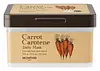
This calming sheet mask is formulated around Niacinamide and Daucus Carota Sativa Root Extract to calm redness.
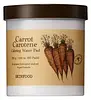
This calming toner pad uses a pre-saturated pad with Daucus Carota Sativa Root Extract and Beta-Glucan to calm redness and hydrate skin.

What's inside
What's inside
 Key Ingredients
Benefits
Concerns
Ingredients Side-by-side
Water
Skin ConditioningButylene Glycol
Humectant

Glycereth-26
Humectant
Niacinamide
Smoothing










Daucus Carota Sativa Root Extract
Skin Conditioning
Dipropylene Glycol
HumectantBetaine
Humectant
1,2-Hexanediol
Skin Conditioning
Bis-Ethoxydiglycol Cyclohexane 1,4-Dicarboxylate
EmollientPolyglyceryl-10 Laurate
Skin Conditioning

Hydroxyacetophenone
Antioxidant
Caprylyl Glycol
Emollient
Cellulose Gum
Emulsion StabilisingEthylhexylglycerin
Skin ConditioningAdenosine
Skin Conditioning
Hibiscus Abelmoschus Extract
MaskingArginine
Masking
Carbomer
Emulsion StabilisingHydroxyethylcellulose
Emulsion StabilisingDioscorea Japonica Root Extract
Skin Conditioning
Olea Europaea Fruit Oil
Masking



Polyquaternium-51
Skin Conditioning
Daucus Carota Sativa Seed Oil
Emollient
Salvia Hispanica Seed Extract
Emollient
Linum Usitatissimum Seed Extract
Perfuming
Pogostemon Cablin Leaf Oil
Masking

Lavandula Hybrida Oil
Emollient
Dipotassium Glycyrrhizate
Humectant
Salvia Officinalis Oil
Masking
Citrus Aurantium Bergamia Fruit Oil
Masking
Citrus Sinensis Peel Oil Expressed
Perfuming
Abies Sibirica Oil
Masking
Rosmarinus Officinalis Leaf Extract
AntimicrobialRosmarinus Officinalis Leaf Oil
Masking
Hydrogenated Lecithin
Emulsifying
Asiaticoside
Antioxidant
Asiatic Acid
Skin Conditioning
Madecassic Acid
Skin Conditioning
Disodium EDTA
ChelatingWater, Butylene Glycol, Glycereth-26, Niacinamide, Daucus Carota Sativa Root Extract, Dipropylene Glycol, Betaine, 1,2-Hexanediol, Bis-Ethoxydiglycol Cyclohexane 1,4-Dicarboxylate, Polyglyceryl-10 Laurate, Hydroxyacetophenone, Caprylyl Glycol, Cellulose Gum, Ethylhexylglycerin, Adenosine, Hibiscus Abelmoschus Extract, Arginine, Carbomer, Hydroxyethylcellulose, Dioscorea Japonica Root Extract, Olea Europaea Fruit Oil, Polyquaternium-51, Daucus Carota Sativa Seed Oil, Salvia Hispanica Seed Extract, Linum Usitatissimum Seed Extract, Pogostemon Cablin Leaf Oil, Lavandula Hybrida Oil, Dipotassium Glycyrrhizate, Salvia Officinalis Oil, Citrus Aurantium Bergamia Fruit Oil, Citrus Sinensis Peel Oil Expressed, Abies Sibirica Oil, Rosmarinus Officinalis Leaf Extract, Rosmarinus Officinalis Leaf Oil, Hydrogenated Lecithin, Asiaticoside, Asiatic Acid, Madecassic Acid, Disodium EDTA
Water
Skin ConditioningDaucus Carota Sativa Root Extract
Skin Conditioning
Glycerin
Humectant
Butylene Glycol
Humectant
Beta-Glucan
Skin Conditioning
1,2-Hexanediol
Skin Conditioning
Undaria Pinnatifida Extract
Skin ConditioningSodium Hyaluronate
Humectant
Citric Acid
Buffering
Sodium Phytate
ChelatingAllantoin
Skin Conditioning
Sodium Citrate
BufferingHydroxyethylcellulose
Emulsion StabilisingMaltodextrin
Absorbent
C12-14 Pareth-12
EmulsifyingSaccharide Hydrolysate
HumectantDaucus Carota Sativa Seed Oil
Emollient
Olea Europaea Fruit Oil
Masking
Pogostemon Cablin Leaf Oil
Masking
Lavandula Hybrida Oil
Emollient
Salvia Officinalis Oil
Masking
Artemisia Vulgaris Oil
Perfuming
Citrus Aurantium Dulcis Peel Oil
Masking
Ethylhexylglycerin
Skin ConditioningWater, Daucus Carota Sativa Root Extract, Glycerin, Butylene Glycol, Beta-Glucan, 1,2-Hexanediol, Undaria Pinnatifida Extract, Sodium Hyaluronate, Citric Acid, Sodium Phytate, Allantoin, Sodium Citrate, Hydroxyethylcellulose, Maltodextrin, C12-14 Pareth-12, Saccharide Hydrolysate, Daucus Carota Sativa Seed Oil, Olea Europaea Fruit Oil, Pogostemon Cablin Leaf Oil, Lavandula Hybrida Oil, Salvia Officinalis Oil, Artemisia Vulgaris Oil, Citrus Aurantium Dulcis Peel Oil, Ethylhexylglycerin
Reviews
Ingredients Explained
These ingredients are found in both products.
Ingredients higher up in an ingredient list are typically present in a larger amount.
1,2-Hexanediol is a synthetic liquid and another multi-functional powerhouse.
It is a:
- Humectant, drawing moisture into the skin
- Emollient, helping to soften skin
- Solvent, dispersing and stabilizing formulas
- Preservative booster, enhancing the antimicrobial activity of other preservatives
Butylene Glycol (or BG) is used within cosmetic products for a few different reasons:
Overall, Butylene Glycol is a safe and well-rounded ingredient that works well with other ingredients.
Though this ingredient works well with most skin types, some people with sensitive skin may experience a reaction such as allergic rashes, closed comedones, or itchiness.
Learn more about Butylene GlycolDaucus Carota Sativa Root Extract comes from the root commonly known as carrot (the orange kind we eat!).
This extract contains beta-carotene, a pigment responsible for giving plants the orange color. Beta-carotene is a potent antioxidant. Antioxidants may help reduce the signs of aging.
Beta-carotene is the reason we turn orange if we eat too many carrots.
It should be noted coming into contact with the leaves of wild carrots can cause skin irritation. The sap causes phytophotodermatitis, or sensitivity exposed to sunlight.
This ingredient is created using the edible parts of the carrot.
Learn more about Daucus Carota Sativa Root ExtractDaucus Carota Sativa Seed Oil is also known as carrot seed oil. In skincare, it behaves as an emollient as a fixed oil and as a fragrance ingredient as an essential oil.
It's a fatty emollient oil whose main fatty acids are petroselinic (about 59%), linoleic (about 12%), palmitic (about 10%) and stearic (about 2%).
All studies done on this ingredient are in vitro or animal; carrot seed essential oil has been shown to speed up wound closure in rats. Cell culture has also shown it to have anti-inflammatory and anti-microbial activity against gram-positive bacteria.
There is a myth going around that this ingredient has an SPF of 38-40. It traces back to a 2009 paper that tested multi-ingredient herbal sunscreen and not just this oil. When tested properly, carrot seed oil measured SPF 0.1 in vitro and 2.5 in vivo. Please do not treat this ingredient as sun protection!
Allergies are documented but uncommon and most of the documented cases come from canning factory workers. It's safe to patch test if you have botanical sensitivities or allergies.
The essential oil version of this ingredient is a terpene-rich fragrance material so those with fragrance sensitivities should also patch test.
There is a published case of phytophotodermatitis after use of a carrot extract-containing sunscreen that presented as a hyperpigmented patch. This is because Apiaceae plants can carry furanocoumarins.
Carrot is in the same plant family as celery and parsley, which contain furanocoumarins. These are compounds that can make skin more reactive to sunlight.
Carrots themselves have very little of them (usually only trace amounts) and the steam-distilled version shouldn't carry them at all since they're too heavy to come through distillation.
If you're using a leave-on product with it during the day, wearing sunscreen covers it.
This ingredient shows up on a lot of "pore-clogging" lists but there's no real evidence behind that. It doesn't even have a comedogenic rating from an actual study; the numbers you'll find online come from blogs citing other blogs.
Ratings for other ingredients mostly come from a 1980s rabbit ear test. This test doesn't translate well to human skin or to real products because the ingredient sits at a much lower percentage.
Some people still find it breaks them out due to the fatty acid profile. So if that's you, definitely trust your skin.
The Malassezia yeast feeds on long-chain fatty acids (C11-24). The fatty acids in this ingredient fall right into that range, making it not fungal acne safe.
Learn more about Daucus Carota Sativa Seed OilEthylhexylglycerin is created from glycerin. It is a multitasker ingredient that:
The CIR Expert Panel found minimal skin absorption or sensitization of any kind in a safety assessment. Though this ingredient is considered well-tolerated, a small number of cases of allergic dermatitis have been published since 2002. Just be sure to patch test if you are unsure.
Industry-reported use ranges from 8% in rinse-off products and 2% in leave-on formulations.
Learn more about EthylhexylglycerinHydroxyethylcellulose is used to improve the texture of products. It is created from a chemical reaction involving ethylene oxide and alkali-cellulose. Cellulose is a sugar found in plant cell walls and help give plants structure.
This ingredient helps stabilize products by preventing ingredients from separating. It can also help thicken the texture of a product.
This ingredient can also be found in pill medicines to help our bodies digest other ingredients.
Learn more about HydroxyethylcelluloseLavandula Hybrida Oil is an oil.
This ingredient is also known as olive oil. It has been used in skincare for centuries and science largely backs up its reputation as a nourishing emollient.
The main components of olive oil are oleic acid (55-83%), linoleic acid (3.5-20%), and palmitic acid (7-20%). Oleic acid promotes skin regeneration and helps regulate inflammatory responses.
Squalene is also naturally present in olive oil and exhibits moisturizing and antioxidant properties.
The polyphenols in olive oil also show anti-aging promise; one clinical study found a measurable improvement in skin appearance after 30 days of topical serum use.
Just be aware that applying olive oil directly to skin can weaken the barrier and cause redness. One study with volunteers found even people without sensitive skin experienced a significant reduction in stratum corneum integrity and induced mild erythema.
It's best to use this ingredient as part of a carefully crafted formula (instead of putting it on skin directly from the bottle).
Because it has a 0-2 on the comedogenic scale, it is low risk for acne-prone skin. Just remember the overall formulation of a product matters more than a few ingredients with comedogenic ratings.
This ingredient may not be fungal acne safe because of the oleic and palmitic acid content. These fall within the C11-24 fatty acid range that the Malassezia yeast can metabolize to grow.
Overall, olive oil is a well-studied and nourishing skincare ingredient.
Learn more about Olea Europaea Fruit OilThis ingredient is also known as Patchouli oil. Its main role is to add a warm, earthy, and musky scent to products.
Patchouli exhibits slight antioxidant, antibacterial and antifungal activity from its patchoulol, beta-caryophyllene, pogostone content.
Like all essential oils, this ingredient is a known sensitizer at higher concentrations. This is because this oil also contains known skin-irritating fragrances, limonene and camphor. Limonene and camphor are both known EU allergens.
While patchouli oil holds FDA GRAS ("generally recognized as safe") status, it is typically used at low levels and subject to usage guidelines.
Those with sensitive skin should patch test before using.
Learn more about Pogostemon Cablin Leaf OilSalvia Officinalis Oil is an oil.
Water. It's the most common cosmetic ingredient of all. You'll usually see it at the top of ingredient lists, meaning that it makes up the largest part of the product.
So why is it so popular? Water most often acts as a solvent - this means that it helps dissolve other ingredients into the formulation.
You'll also recognize water as that liquid we all need to stay alive. If you see this, drink a glass of water. Remember to stay hydrated!
Learn more about Water

