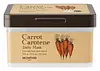
This calming sheet mask is formulated around Niacinamide and Daucus Carota Sativa Root Extract to calm redness.
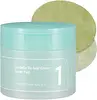
This calming toner pad uses a pre-saturated pad with Centella Asiatica Extract and Glycyrrhiza Uralensis Root Extract to calm redness and strengthen the skin barrier.

What's inside
What's inside
 Key Ingredients
Benefits
Concerns
Ingredients Side-by-side
Water
Skin ConditioningButylene Glycol
Humectant

Glycereth-26
Humectant
Niacinamide
Smoothing










Daucus Carota Sativa Root Extract
Skin Conditioning
Dipropylene Glycol
HumectantBetaine
Humectant
1,2-Hexanediol
Skin Conditioning
Bis-Ethoxydiglycol Cyclohexane 1,4-Dicarboxylate
EmollientPolyglyceryl-10 Laurate
Skin Conditioning

Hydroxyacetophenone
Antioxidant
Caprylyl Glycol
Emollient
Cellulose Gum
Emulsion StabilisingEthylhexylglycerin
Skin ConditioningAdenosine
Skin Conditioning
Hibiscus Abelmoschus Extract
MaskingArginine
Masking
Carbomer
Emulsion StabilisingHydroxyethylcellulose
Emulsion StabilisingDioscorea Japonica Root Extract
Skin Conditioning
Olea Europaea Fruit Oil
Masking



Polyquaternium-51
Skin Conditioning
Daucus Carota Sativa Seed Oil
Emollient
Salvia Hispanica Seed Extract
Emollient
Linum Usitatissimum Seed Extract
Perfuming
Pogostemon Cablin Leaf Oil
Masking

Lavandula Hybrida Oil
Emollient
Dipotassium Glycyrrhizate
Humectant
Salvia Officinalis Oil
Masking
Citrus Aurantium Bergamia Fruit Oil
Masking
Citrus Sinensis Peel Oil Expressed
Perfuming
Abies Sibirica Oil
Masking
Rosmarinus Officinalis Leaf Extract
AntimicrobialRosmarinus Officinalis Leaf Oil
Masking
Hydrogenated Lecithin
Emulsifying
Asiaticoside
Antioxidant
Asiatic Acid
Skin Conditioning
Madecassic Acid
Skin Conditioning
Disodium EDTA
ChelatingWater, Butylene Glycol, Glycereth-26, Niacinamide, Daucus Carota Sativa Root Extract, Dipropylene Glycol, Betaine, 1,2-Hexanediol, Bis-Ethoxydiglycol Cyclohexane 1,4-Dicarboxylate, Polyglyceryl-10 Laurate, Hydroxyacetophenone, Caprylyl Glycol, Cellulose Gum, Ethylhexylglycerin, Adenosine, Hibiscus Abelmoschus Extract, Arginine, Carbomer, Hydroxyethylcellulose, Dioscorea Japonica Root Extract, Olea Europaea Fruit Oil, Polyquaternium-51, Daucus Carota Sativa Seed Oil, Salvia Hispanica Seed Extract, Linum Usitatissimum Seed Extract, Pogostemon Cablin Leaf Oil, Lavandula Hybrida Oil, Dipotassium Glycyrrhizate, Salvia Officinalis Oil, Citrus Aurantium Bergamia Fruit Oil, Citrus Sinensis Peel Oil Expressed, Abies Sibirica Oil, Rosmarinus Officinalis Leaf Extract, Rosmarinus Officinalis Leaf Oil, Hydrogenated Lecithin, Asiaticoside, Asiatic Acid, Madecassic Acid, Disodium EDTA
Centella Asiatica Extract
Cleansing
Glycyrrhiza Uralensis Root Extract
Skin Conditioning
Houttuynia Cordata Extract
Skin Conditioning
Glycerin
Humectant
Butylene Glycol
Humectant
Dipropylene Glycol
HumectantPropanediol
Solvent
1,2-Hexanediol
Skin Conditioning
Ethylhexylglycerin
Skin ConditioningHyacinthus Orientalis Extract
Skin ConditioningPolygonum Multiflorum Extract
Skin ConditioningCarbomer
Emulsion StabilisingHydroxyethylcellulose
Emulsion StabilisingPolyglyceryl-10 Laurate
Skin Conditioning
Polyglyceryl-10 Myristate
Skin Conditioning
Arginine
Masking
Allantoin
Skin Conditioning
Disodium EDTA
ChelatingNymphaea Alba Flower Extract
Skin ConditioningRicinus Communis Seed Oil
Masking
Betaine
Humectant
Panthenol
Skin Conditioning
Citrus Paradisi Peel Oil
Masking
Pelargonium Graveolens Flower Oil
Masking
Melaleuca Alternifolia Leaf Oil
Antioxidant
Rosmarinus Officinalis Leaf Oil
Masking
Centella Asiatica Extract, Glycyrrhiza Uralensis Root Extract, Houttuynia Cordata Extract, Glycerin, Butylene Glycol, Dipropylene Glycol, Propanediol, 1,2-Hexanediol, Ethylhexylglycerin, Hyacinthus Orientalis Extract, Polygonum Multiflorum Extract, Carbomer, Hydroxyethylcellulose, Polyglyceryl-10 Laurate, Polyglyceryl-10 Myristate, Arginine, Allantoin, Disodium EDTA, Nymphaea Alba Flower Extract, Ricinus Communis Seed Oil, Betaine, Panthenol, Citrus Paradisi Peel Oil, Pelargonium Graveolens Flower Oil, Melaleuca Alternifolia Leaf Oil, Rosmarinus Officinalis Leaf Oil
Reviews
Ingredients Explained
These ingredients are found in both products.
Ingredients higher up in an ingredient list are typically present in a larger amount.
1,2-Hexanediol is a synthetic liquid and another multi-functional powerhouse.
It is a:
- Humectant, drawing moisture into the skin
- Emollient, helping to soften skin
- Solvent, dispersing and stabilizing formulas
- Preservative booster, enhancing the antimicrobial activity of other preservatives
Arginine is a semi-essential amino acid. This just means our bodies can product a bit on its own, but sometimes needs a little boost from food sources.
It is a part of your skin's natural moisturizing factor (NMF), or the water-loving molecules in your outermost layer of skin (stratum corneum) that keeps everything hydrated and happy.
Here's an interesting thing about Arginine: your skin converts it into urea through the Krebs-Henseleit urea cycle. Urea is one of the most effective humectants your skin naturally produces.
A clinical study showed applying 2.5% arginine hydrochloride to atopic dermatitis skin showed significant urea levels in the stratum corneum and improved moisture in just four weeks.
Arginine is also a precursor to nitric oxide; nitric oxide improves microcirculation and supports wound healing and collagen synthesis.
One study found that an amino acid complex containing Arginine reduced skin irritation, improved hydration, and accelerated skin repair in clinical / in-vivo studies.
Arginine itself is an amino acid and not a fatty acid, oil, or ester. On its own, it's not a direct food source for Malassezia, or the yeast that causes fungal acne.
Learn more about ArginineBetaine is a humectant. Like hyaluronic acid, it helps attract and retain moisture in the skin. It’s known for being gentle and for helping the skin maintain balanced hydration.
Betaine is mainly used to improve hydration and support calmer skin. It helps skin cells regulate water balance because it functions as an osmolyte.
Some studies suggest betaine may support making skin tone more even.
Fun fact: Betaine naturally exists in the skin and the body. In cosmetic products, it can be either plant-derived (most commonly from sugar beets) or synthetically produced for consistency and stability.
Betaine is also known as trimethylglycine.
Learn more about BetaineButylene Glycol (or BG) is used within cosmetic products for a few different reasons:
Overall, Butylene Glycol is a safe and well-rounded ingredient that works well with other ingredients.
Though this ingredient works well with most skin types, some people with sensitive skin may experience a reaction such as allergic rashes, closed comedones, or itchiness.
Learn more about Butylene GlycolCarbomer is a synthetic thickening and gelling agent. It's basically the ingredient that gives a lot of serums, gels, creams, and sunscreens their smooth, non-sticky texture.
Although legally permitted at very high levels, carbomers are normally used at concentrations below 1%.
It also needs to be neutralized to actually thicken, and because it is a large molecule, it doesn't really penetrate the skin barrier.
Allergy-wise, the risk is very low. Clinical studies show carbomers have low potential for skin irritation/sensitization even at concentrations up to 100%.
A 2024 UK study patch-tested 1,302 patients and found true allergy to the parent group of carbomer to be rare with no confirmed relevant reactions.
Learn more about CarbomerDipropylene Glycol is a synthetically created humectant, stabilizer, and solvent.
This ingredient helps:
Dipropylene glycol is technically an alcohol, but it belongs to the glycol family (often considered part of the ‘good’ alcohols). This means it is hydrating and gentle on skin unlike drying solvent alcohols like denatured alcohol.
As a masking agent, Dipropylene Glycol can be used to cover the smell of other ingredients. However, it does not have a scent.
Studies show Dipropylene Glycol is considered safe to use in skincare.
Learn more about Dipropylene GlycolDisodium EDTA is a chelating agent. It grabs onto and deactivates metal ions that sneak into your products from water, packaging, or air.
This ingredient mainly works behind the scenes and helps with:
On top of that, this ingredient can counteract the effects of hard water by binding to the minerals in it.
One thing worth knowing is that Disodium EDTA has been shown to be a mild penetration enhancer. It can help other ingredients absorb into skin more effectively which can be a double-edged sword (great for actives, but can also make the active too strong if you have sensitive skin).
Clinical patch testing showed no significant skin irritation at typical use concentrations and minimal dermal absorption.
You'll most likely see this ingredient near the end of an ingredient list. It's typically found in concentrations less than 1%.
Learn more about Disodium EDTAEthylhexylglycerin is created from glycerin. It is a multitasker ingredient that:
The CIR Expert Panel found minimal skin absorption or sensitization of any kind in a safety assessment. Though this ingredient is considered well-tolerated, a small number of cases of allergic dermatitis have been published since 2002. Just be sure to patch test if you are unsure.
Industry-reported use ranges from 8% in rinse-off products and 2% in leave-on formulations.
Learn more about EthylhexylglycerinHydroxyethylcellulose is used to improve the texture of products. It is created from a chemical reaction involving ethylene oxide and alkali-cellulose. Cellulose is a sugar found in plant cell walls and help give plants structure.
This ingredient helps stabilize products by preventing ingredients from separating. It can also help thicken the texture of a product.
This ingredient can also be found in pill medicines to help our bodies digest other ingredients.
Learn more about HydroxyethylcellulosePolyglyceryl-10 Laurate is a cleansing agent and emulsifier.
It rounds up dirt, oil, and grime, so they can be rinsed off easily as a cleanser.
On the emulsifier side, it keeps your formula smooth and well-mixed by playing peacekeeper for ingredients that don't naturally get along (like oil and water).
Because it has a C12 (lauric acid) fatty acid chain, this ingredient can potentially feed the Malassezia yeast that causes fungal acne. The Malassezia yeast prefers esters with C11-C24 fatty acids.
This ingredient is an ester of lauric acid and Polyglycerin-10.
Learn more about Polyglyceryl-10 LaurateRosmarinus Officinalis Leaf Oil is an essential oil also known as rosemary essential oil. In skincare, it is a skin conditioning agent and also acts as a natural fragrance that gives products a fresh/herby smell.
The oil is a mix of over 100 volatile compounds with 1,8-cineole, α-pinene, camphor, and verbenone usually leading the pack.
Lab studies credit this oil with antioxidant, anti-inflammatory, and antimicrobial activity. Some research even show rosemary compounds calming acne-related inflammation.
The Cosmetic Ingredient Review (CIR) has concluded rosemary-derived ingredients to be safe when formulated to be nonsensitizing.
Since this is a fragrant essential oil, the main concern is for fragrance-sensitive folks.
Learn more about Rosmarinus Officinalis Leaf Oil

