SkinDivision 2% Salicylic Acid + Charcoal Acne Cleanser Versus Peace Out Creamy Gentle Exfoliating Pore Perfecting Cleanser
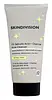
This salicylic acid gel cleanser is formulated around Salicylic Acid to clear breakouts and unclog pores.
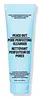
This salicylic acid cream cleanser is formulated around Salicylic Acid to clear breakouts and unclog pores.


What's inside
What's inside
 Key Ingredients
Benefits
Concerns
Ingredients Side-by-side
Water
Skin ConditioningSodium Lauroyl Methyl Isethionate
CleansingCocamidopropyl Betaine
Cleansing



Sodium Cocoyl Isethionate
Cleansing
Cocamidopropyl Dimethylamine
Emulsifying
Salicylic Acid
Masking







Propanediol
Solvent

Glycerin
Humectant
Charcoal Powder
Abrasive
Niacinamide
Smoothing




Tremella Fuciformis Extract
Humectant
Lentinus Edodes Extract
Skin ConditioningCopper PCA
HumectantZinc PCA
Humectant
Allantoin
Skin Conditioning
Phenoxyethanol
Preservative
Sodium Chloride
MaskingSodium Hydroxide
BufferingCitric Acid
Buffering
Ethylhexylglycerin
Skin ConditioningWater, Sodium Lauroyl Methyl Isethionate, Cocamidopropyl Betaine, Sodium Cocoyl Isethionate, Cocamidopropyl Dimethylamine, Salicylic Acid, Propanediol, Glycerin, Charcoal Powder, Niacinamide, Tremella Fuciformis Extract, Lentinus Edodes Extract, Copper PCA, Zinc PCA, Allantoin, Phenoxyethanol, Sodium Chloride, Sodium Hydroxide, Citric Acid, Ethylhexylglycerin
Water
Skin ConditioningSodium Cocoyl Isethionate
Cleansing
Propanediol
Solvent
Cocamidopropyl Betaine
Cleansing
Myristic Acid
Cleansing

Diglycerin
Humectant
Stearic Acid
Cleansing
Cellulose Acetate
Caprylic/Capric Triglyceride
Masking
Ammonium Acryloyldimethyltaurate/Vp Copolymer
Zea Mays Starch
Absorbent
Sodium Lauroyl Methyl Isethionate
CleansingCaprylyl Glycol
Emollient
Glyceryl Caprylate
EmollientSodium Methyl Oleoyl Taurate
CleansingCocamidopropyl Dimethylamine
Emulsifying
Coconut Acid
Cleansing
Ethylhexylglycerin
Skin ConditioningBetaine
Humectant
Niacinamide
Smoothing
Glyceryl Dibehenate
Emollient
Potassium Hydroxide
BufferingSalicylic Acid
Masking
Coco-Glucoside
Cleansing
Lauryl Glucoside
CleansingTribehenin
Emollient
Sodium Isethionate
CleansingSodium PCA
Humectant
Glyceryl Behenate
Emollient
Palmitic Acid
Emollient
Sodium Lactate
Buffering
PCA
Humectant
Sodium Benzoate
Masking
Lauric Acid
Cleansing
Serine
Masking
Alanine
Masking
Glycine
Buffering
Sodium Hyaluronate
Humectant
Glutamic Acid
Humectant
Lysine Hcl
Skin Conditioning
Threonine
Arginine
Masking
Proline
Skin Conditioning
Alcohol
Antimicrobial
Citric Acid
Buffering
Sodium Carboxymethyl Starch
Emulsion StabilisingSodium Chloride
MaskingSodium Citrate
BufferingWater, Sodium Cocoyl Isethionate, Propanediol, Cocamidopropyl Betaine, Myristic Acid, Diglycerin, Stearic Acid, Cellulose Acetate, Caprylic/Capric Triglyceride, Ammonium Acryloyldimethyltaurate/Vp Copolymer, Zea Mays Starch, Sodium Lauroyl Methyl Isethionate, Caprylyl Glycol, Glyceryl Caprylate, Sodium Methyl Oleoyl Taurate, Cocamidopropyl Dimethylamine, Coconut Acid, Ethylhexylglycerin, Betaine, Niacinamide, Glyceryl Dibehenate, Potassium Hydroxide, Salicylic Acid, Coco-Glucoside, Lauryl Glucoside, Tribehenin, Sodium Isethionate, Sodium PCA, Glyceryl Behenate, Palmitic Acid, Sodium Lactate, PCA, Sodium Benzoate, Lauric Acid, Serine, Alanine, Glycine, Sodium Hyaluronate, Glutamic Acid, Lysine Hcl, Threonine, Arginine, Proline, Alcohol, Citric Acid, Sodium Carboxymethyl Starch, Sodium Chloride, Sodium Citrate
Ingredients Explained
These ingredients are found in both products.
Ingredients higher up in an ingredient list are typically present in a larger amount.
Citric Acid is an alpha hydroxy acid (AHA) naturally found in citrus fruits like oranges, lemons, and limes.
Like other AHAs, citric acid can exfoliate skin by breaking down the bonds that hold dead skin cells together. This helps reveal smoother and brighter skin underneath.
However, this exfoliating effect only happens at high concentrations (20%) which can be hard to find in cosmetic products.
Due to this, citric acid is usually included in small amounts as a pH adjuster. This helps keep products slightly more acidic and compatible with skin's natural pH.
In skincare formulas, citric acid can:
While it can provide some skin benefits, research shows lactic acid and glycolic acid are generally more effective and less irritating exfoliants.
Most citric acid used in skincare today is made by fermenting sugars (usually from molasses). This synthetic version is identical to the natural citrus form but easier to stabilize and use in formulations.
Rosacea skin has a lower threshold for acids generally, with 62.5% of rosacea subjects in one study reacting to lactic acid in a sting test. This is why we mark citric acid as a potential rosacea trigger.
However, this ingredient shows up as a pH adjuster or chelator at roughly 0.1-1% in many products. These low levels are unlikely to be an issue for rosacea skin and becomes a potential trigger at exfoliating concentrations (20%). Because everybody's skin is unique, we recommend a patch test if you are unsure.
Learn more about Citric AcidCocamidopropyl Betaine is a fatty acid created by mixing similar compounds in coconut oil and dimethylaminopropylamine, a compound with two amino groups.
This ingredient is a surfactant and cleanser. It helps gather the dirt, pollutants, and other impurities in your skin to be washed away. It also helps thicken a product and make the texture more creamy.
Being created from coconut oil means Cocamidopropyl Betaine is hydrating for the skin.
While Cocamidopropyl Betaine was believed to be an allergen, a study from 2012 disproved this. It found two compounds in unpure Cocamidopropyl Betaine to be the irritants: aminoamide and 3-dimethylaminopropylamine. High-grade and pure Cocamidopropyl Betaine did not induce allergic reactions during this study.
Learn more about Cocamidopropyl BetaineCocamidopropyl Dimethylamine comes from the fatty acids of coconut oil. It is an emulsifier, meaning it helps stabilize and mix ingredients.
This ingredient can be irritating in higher amounts and is related to Cocamidopropyl Betaine.
Ethylhexylglycerin is created from glycerin. It is a multitasker ingredient that:
The CIR Expert Panel found minimal skin absorption or sensitization of any kind in a safety assessment. Though this ingredient is considered well-tolerated, a small number of cases of allergic dermatitis have been published since 2002. Just be sure to patch test if you are unsure.
Industry-reported use ranges from 8% in rinse-off products and 2% in leave-on formulations.
Learn more about EthylhexylglycerinNiacinamide is a multitasking form of vitamin B3 that strengthens the skin barrier, reduces pores and dark spots, regulates oil, and improves signs of aging.
And the best part? It's gentle and well-tolerated by most skin types, including sensitive and reactive skin.
You might have heard of "niacin flush", or the reddening of skin that causes itchiness. Niacinamide has not been found to cause this.
In very rare cases, some individuals may not be able to tolerate niacinamide at all or experience an allergic reaction to it.
If you are experiencing flaking, irritation, and dryness with this ingredient, be sure to double check all your products as this ingredient can be found in all categories of skincare.
When incorporating niacinamide into your routine, look out for concentration amounts. Typically, 5% niacinamide provides benefits such as fading dark spots. However, if you have sensitive skin, it is better to begin with a smaller concentration.
When you apply niacinamide to your skin, your body converts it into nicotinamide adenine dinucleotide (NAD). NAD is an essential coenzyme that is already found in your cells as "fuel" and powers countless biological processes.
In your skin, NAD helps repair cell damage, produce new healthy cells, support collagen production, strengthen the skin barrier, and fight environmental stressors (like UV and pollution).
Our natural NAD levels start to decline with age, leading to slower skin repair, visible aging, and a weaker skin barrier. By providing your skin niacinamide, you're recharging your skin's NAD levels. This leads to stronger, healthier, and younger looking skin.
Another name for vitamin B3 is nicotinamide. This vitamin is water-soluble and our bodies don't store it. We obtain Vitamin B3 from either food or skincare. Meat, fish, wheat, yeast, and leafy greens contain vitamin B3.
The type of niacinamide used in skincare is synthetically created.
Learn more about NiacinamidePropanediol is an all-star ingredient. It softens, hydrates, and smooths the skin.
It’s often used to:
Propanediol is not likely to cause sensitivity and considered safe to use. It is derived from corn or petroleum with a clear color and no scent.
Learn more about PropanediolSalicylic Acid (also known as beta hydroxy acid or BHA) is a well-known ingredient for treating skin that struggles with acne and clogged pores. It exfoliates both the skin's surface and deep within the pores to help clear out buildup, control oil, and reduce inflammation.
Unlike AHAs (alpha hydroxy acids), salicylic acid is oil-soluble. This allows it to penetrate into pores which makes it especially effective for treating blackheads and preventing future breakouts.
Salicylic acid is also known for its soothing properties. It has a similar structure to aspirin and can calm inflamed or irritated skin, making it a good option for acne-prone skin that is also sensitive.
Concentrations of 0.5-2% are recognized by the U.S. FDA as an over-the-counter topical acne product.
It can cause irritation and/or dryness if one's skin already has a compromised moisture barrier, so it's best to focus on repairing that before introducing this ingredient into your routine.
While salicylic acid does not increase sun sensitivity, it’s still important to wear sunscreen daily to protect your skin.
If you are looking for the ingredient called BHA or Butylated Hydroxyanisole, click here.
Learn more about Salicylic AcidChances are, you eat sodium chloride every day. Sodium Chloride is also known as table salt. This ingredient has many purposes in skincare: thickener, emulsifier, and exfoliator.
You'll most likely find this ingredient in cleansers where it is used to create a gel-like texture. As an emulsifier, it also prevents ingredients from separating.
You might see people debate whether Sodium Chloride is comedogenic, but there actually haven't been any comedogenic tests done on it. Either way, the overall formulation of a product matters a lot more than any single ingredient.
You might see this ingredient used in scrubs as a primary exfoliating ingredient.
Learn more about Sodium ChlorideSodium cocoyl isethionate is a natural ingredient from coconut oil. It is an ultra gentle cleanser that gives a nice foam without drying the skin or impacting the skin barrier.
The amount of foam created depends on the amount of sodium cocoyl isethionate used in the product.
This ingredient also helps improve the spreadability of a product.
This ingredient hasn’t been shown in studies to feed fungal acne yeast.
Learn more about Sodium Cocoyl IsethionateSodium Lauroyl Methyl Isethionate is a gentle, sulfate-free cleansing agent. It's basically a mild "soap" molecule derived from coconut that makes a soft, cream foam and is very soluble in water.
Typical concentration use ranges from ~0.6-10% in rinse off products and only trace amounts (~0.009%) in leave on products.
The Cosmetic Ingredient Review Expert Panel has assessed it and concluded it to be safe as used at these concentrations when formulated to be non-irritating.
Allergy and sensitization risk is low and often when someone reacts to a cleanser it's due to the fragrance or preservatives rather than this ingredient itself.
Learn more about Sodium Lauroyl Methyl IsethionateWater. It's the most common cosmetic ingredient of all. You'll usually see it at the top of ingredient lists, meaning that it makes up the largest part of the product.
So why is it so popular? Water most often acts as a solvent - this means that it helps dissolve other ingredients into the formulation.
You'll also recognize water as that liquid we all need to stay alive. If you see this, drink a glass of water. Remember to stay hydrated!
Learn more about Water

