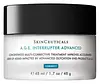
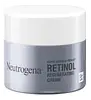
SkinCeuticals A.G.E. Interrupter Advanced Versus Neutrogena Rapid Wrinkle Retinol Regenerating Cream

What's inside
What's inside
 Key Ingredients
Benefits
Concerns
Ingredients Side-by-side
Water
Skin ConditioningHydroxypropyl Tetrahydropyrantriol
Skin ConditioningGlycerin
Humectant


Propylene Glycol
Humectant

Stearic Acid
Cleansing

Butyrospermum Parkii Butter
Skin Conditioning
Hydroxyethylpiperazine Ethane Sulfonic Acid
BufferingPalmitic Acid
Emollient
Pentylene Glycol
Skin Conditioning
Oleyl Alcohol
Emollient

Arachidyl Alcohol
Emollient
Myristyl Myristate
Emollient
Panthenol
Skin Conditioning

Niacinamide
Smoothing







Dimethicone
Emollient
Isononyl Isononanoate
EmollientBis-PEG/PPG-16/16 PEG/PPG-16/16 Dimethicone
Emollient
Glyceryl Stearate
Emollient
Candelilla Cera
Emollient
Euphorbia Cerifera Cera
Astringent
Behenyl Alcohol
Emollient
PEG-100 Stearate
Surfactant
Sodium Polyacrylate
Absorbent
Pentaerythrityl Tetraisostearate
Emollient
4-T-Butylcyclohexanol
Masking
Arachidyl Glucoside
EmulsifyingCaprylyl Glycol
Emollient
Xanthan Gum
EmulsifyingChlorphenesin
Antimicrobial
Myristic Acid
Cleansing
Caprylic/Capric Triglyceride
Masking
Glycyrrhetinic Acid
Skin Conditioning
Parfum
Masking
Sorbitol
Humectant
Vaccinium Myrtillus Fruit Extract
Skin ConditioningPotassium Hydroxide
BufferingAdenosine
Skin Conditioning
Citric Acid
Buffering
Punica Granatum Fruit Extract
Antioxidant
Limonene
Perfuming

Coumarin
Perfuming
Linalool
Perfuming
Pentaerythrityl Tetra-Di-T-Butyl Hydroxyhydrocinnamate
Antioxidant
Water, Hydroxypropyl Tetrahydropyrantriol, Glycerin, Propylene Glycol, Stearic Acid, Butyrospermum Parkii Butter, Hydroxyethylpiperazine Ethane Sulfonic Acid, Palmitic Acid, Pentylene Glycol, Oleyl Alcohol, Arachidyl Alcohol, Myristyl Myristate, Panthenol, Niacinamide, Dimethicone, Isononyl Isononanoate, Bis-PEG/PPG-16/16 PEG/PPG-16/16 Dimethicone, Glyceryl Stearate, Candelilla Cera, Euphorbia Cerifera Cera, Behenyl Alcohol, PEG-100 Stearate, Sodium Polyacrylate, Pentaerythrityl Tetraisostearate, 4-T-Butylcyclohexanol, Arachidyl Glucoside, Caprylyl Glycol, Xanthan Gum, Chlorphenesin, Myristic Acid, Caprylic/Capric Triglyceride, Glycyrrhetinic Acid, Parfum, Sorbitol, Vaccinium Myrtillus Fruit Extract, Potassium Hydroxide, Adenosine, Citric Acid, Punica Granatum Fruit Extract, Limonene, Coumarin, Linalool, Pentaerythrityl Tetra-Di-T-Butyl Hydroxyhydrocinnamate
Water
Skin ConditioningPentaerythrityl Tetraethylhexanoate
Emollient
Glycerin
Humectant
Dimethicone
Emollient
PPG-15 Stearyl Ether
EmollientStearyl Alcohol
Emollient
Cetearyl Alcohol
Emollient
Butylene Glycol
Humectant
Glyceryl Behenate
Emollient
Ceteareth-20
CleansingIsohexadecane
EmollientDimethicone Crosspolymer
Emulsion Stabilising
Cyclopentasiloxane
Emollient
Cellulose
Absorbent
Sodium Polyacrylate
Absorbent
Phenoxyethanol
Preservative
Caprylyl Glycol
Emollient
Sodium Acryloyldimethyltaurate/Vp Crosspolymer
Emulsion StabilisingPolyacrylamide
C13-14 Isoparaffin
Emollient
Chlorphenesin
Antimicrobial
Polysorbate 20
Emulsifying
Hydrolyzed Myrtus Communis Leaf Extract
Skin ProtectingRetinol
Skin Conditioning
BHT
Antioxidant
Sodium Hyaluronate
Humectant
Disodium EDTA
Sodium Hydroxide
BufferingLaureth-7
EmulsifyingAscorbic Acid
Antioxidant
Water, Pentaerythrityl Tetraethylhexanoate, Glycerin, Dimethicone, PPG-15 Stearyl Ether, Stearyl Alcohol, Cetearyl Alcohol, Butylene Glycol, Glyceryl Behenate, Ceteareth-20, Isohexadecane, Dimethicone Crosspolymer, Cyclopentasiloxane, Cellulose, Sodium Polyacrylate, Phenoxyethanol, Caprylyl Glycol, Sodium Acryloyldimethyltaurate/Vp Crosspolymer, Polyacrylamide, C13-14 Isoparaffin, Chlorphenesin, Polysorbate 20, Hydrolyzed Myrtus Communis Leaf Extract, Retinol, BHT, Sodium Hyaluronate, Disodium EDTA, Sodium Hydroxide, Laureth-7, Ascorbic Acid
Reviews
Ingredients Explained
These ingredients are found in both products.
Ingredients higher up in an ingredient list are typically present in a larger amount.
Caprylyl Glycol is a humectant, skin conditioner, emollient, and preservative booster derived from either caprylic acid or synthetically created.
Typical use levels vary from 0.3-1% as a preservative booster and go up to 2% to condition skin.
Because it is not a free-fatty acid, this ingredient is fungal acne safe (there's nothing for Malassezia to feed on).
Learn more about Caprylyl GlycolChlorphenesin is a synthetic preservative. It helps protect a product against bacteria in order to extend shelf life. In most cases, Chlorphenesin is paired with other preservatives such as phenoxyethanol and caprylyl glycol.
Chlorphenesin is a biocide. This means it is able to help fight the microorganisms on our skin. It is also able to fight odor-releasing bacteria.
Chlorphenesin is soluble in both water and glycerin.
Studies show Chlorphenesin is easily absorbed by our skin. You should speak with a skincare professional if you have concerns about using Chlorphenesin.
Learn more about ChlorphenesinDimethicone is a type of synthetic silicone created from natural materials such as quartz. It is also known as polydimethylsiloxane.
What it does:
Dimethicone comes in different viscosities:
Depending on the viscosity, dimethicone has different properties.
Ingredients lists don't always show which type is used, so we recommend reaching out to the brand if you have questions about the viscosity.
This ingredient is unlikely to cause irritation because it does not get absorbed into skin. However, people with silicone allergies should be careful about using this ingredient.
Note: Dimethicone may contribute to pilling. This is because it is not oil or water soluble, so pilling may occur when layered with products. When mixed with heavy oils in a formula, the outcome is also quite greasy.
Learn more about DimethiconeGlycerin (or glycerol) is a compound naturally found in your skin. It's a powerhouse humectant that pulls water into the stratum corneum.
Topically, glycerin does several things at once:
Your skin makes glycerin on its own (mostly from sebaceous oil breakdown) and shuttles it to your outermost layer of skin, or your epidermis, via aquaporin-3.
Aquaporin-3 is a transporter that is essential for normal skin hydration, elasticity, and repair. Interestingly, mice lacking in AQP3 have dry and less elastic skin that can be fully corrected with glycerin.
This ingredient is non-irritating, plays well with almost every ingredient, and works across all skin types. Typical use is anywhere between 3-10% but can go up to 79% in some leave-on products.
Just know very high concentrations (>40%) can feel tacky in low humidity.
Glycerin is the name for this ingredient in American English. British English uses Glycerol/Glycerine.
Learn more about GlycerinSodium Polyacrylate is the sodium salt of polyacrylic acid. It is used as an absorber, emollient, and stabilizer.
This ingredient is a super-absorbent polymer - meaning it can absorb 100 to 1000 times its mass in water. As an emollient, Sodium Polyacrylate helps soften and soothe skin. Emollients work by creating a barrier to trap moisture in. This helps keep your skin hydrated.
Water. It's the most common cosmetic ingredient of all. You'll usually see it at the top of ingredient lists, meaning that it makes up the largest part of the product.
So why is it so popular? Water most often acts as a solvent - this means that it helps dissolve other ingredients into the formulation.
You'll also recognize water as that liquid we all need to stay alive. If you see this, drink a glass of water. Remember to stay hydrated!
Learn more about Water
