Simple Skincare Kind To Skin Hydrating Light Moisturiser Versus Cetaphil Daily Hydrating Lotion with Hyaluronic Acid


What's inside
What's inside
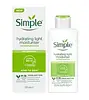 Key Ingredients
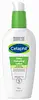
Benefits
Concerns
Ingredients Side-by-side
Water
Skin ConditioningGlycerin
Humectant



Paraffinum Liquidum
Emollient


Polyglyceryl-3 Methylglucose Distearate
Emulsifying
Cetyl Palmitate
Emollient
Niacinamide
Smoothing







Dimethicone
Emollient
Acrylates/C10-30 Alkyl Acrylate Crosspolymer
Emulsion StabilisingStearic Acid
Cleansing
Borago Officinalis Seed Oil
Emollient
Caprylyl Glycol
Emollient
Carbomer
Emulsion StabilisingCetyl Alcohol
Emollient
Disodium EDTA
Lactic Acid
Buffering



Panthenol
Skin Conditioning
Pentylene Glycol
Skin ConditioningPhenoxyethanol
Preservative
Potassium Carbonate
BufferingPotassium Hydroxide
BufferingCitric Acid
Buffering
Bisabolol
Masking
Serine
Masking
Sodium Lactate
BufferingSorbitol
Humectant
Tocopheryl Acetate
Antioxidant

Urea
Buffering
Allantoin
Skin Conditioning
Sodium Chloride
Masking

Water, Glycerin, Paraffinum Liquidum, Polyglyceryl-3 Methylglucose Distearate, Cetyl Palmitate, Niacinamide, Dimethicone, Acrylates/C10-30 Alkyl Acrylate Crosspolymer, Stearic Acid, Borago Officinalis Seed Oil, Caprylyl Glycol, Carbomer, Cetyl Alcohol, Disodium EDTA, Lactic Acid, Panthenol, Pentylene Glycol, Phenoxyethanol, Potassium Carbonate, Potassium Hydroxide, Citric Acid, Bisabolol, Serine, Sodium Lactate, Sorbitol, Tocopheryl Acetate, Urea, Allantoin, Sodium Chloride
Water
Skin ConditioningDicaprylyl Carbonate
EmollientCyclopentasiloxane
Emollient
Glycerin
Humectant
Hydroxyethyl Urea
Humectant
Glyceryl Stearate
Emollient
PEG-100 Stearate
Acrylates/C10-30 Alkyl Acrylate Crosspolymer
Emulsion StabilisingCaprylyl Glycol
Emollient
Cetyl Alcohol
Emollient
Erythritol
Humectant
Glycine Soja Oil
Emollient
Homarine Hcl
Skin ConditioningHydrolyzed Hyaluronic Acid
Humectant
Phenoxyethanol
Preservative
Potassium Sorbate
Preservative
Sodium Benzoate
Masking
Sodium Hydroxide
BufferingSodium PCA
Humectant
Tocopherol
Antioxidant
Water, Dicaprylyl Carbonate, Cyclopentasiloxane, Glycerin, Hydroxyethyl Urea, Glyceryl Stearate, PEG-100 Stearate, Acrylates/C10-30 Alkyl Acrylate Crosspolymer, Caprylyl Glycol, Cetyl Alcohol, Erythritol, Glycine Soja Oil, Homarine Hcl, Hydrolyzed Hyaluronic Acid, Phenoxyethanol, Potassium Sorbate, Sodium Benzoate, Sodium Hydroxide, Sodium PCA, Tocopherol
Reviews
Ingredients Explained
These ingredients are found in both products.
Ingredients higher up in an ingredient list are typically present in a larger amount.
Acrylates/C10-30 Alkyl Acrylate Crosspolymer is a synthetic polymer. It is used to thicken and improve the texture of products. Due to its properties, it can prevent water and oil ingredients from separating.
Caprylyl Glycol is a humectant and emollient, meaning it attracts and preserves moisture.
It is a common ingredient in many products, especially those designed to hydrate skin. The primary benefits are retaining moisture, skin softening, and promoting a healthy skin barrier.
Though Caprylyl Glycol is an alcohol derived from fatty acids, it is not the kind that can dry out skin.
This ingredient is also used as a preservative to extend the life of products. It has slight antimicrobial properties.
Learn more about Caprylyl GlycolCetyl Alcohol is a fatty alcohol. Fatty Alcohols are most often used as an emollient or to thicken a product.
Its main roles are:
Though it has "alcohol" in the name, it is not related to denatured alcohol or ethyl alcohol.
The FDA allows products labeled "alcohol-free" to have fatty alcohols.
Learn more about Cetyl AlcoholGlycerin is already naturally found in your skin. It helps moisturize and protect your skin.
A study from 2016 found glycerin to be more effective as a humectant than AHAs and hyaluronic acid.
As a humectant, it helps the skin stay hydrated by pulling moisture to your skin. The low molecular weight of glycerin allows it to pull moisture into the deeper layers of your skin.
Hydrated skin improves your skin barrier; Your skin barrier helps protect against irritants and bacteria.
Glycerin has also been found to have antimicrobial and antiviral properties. Due to these properties, glycerin is often used in wound and burn treatments.
In cosmetics, glycerin is usually derived from plants such as soybean or palm. However, it can also be sourced from animals, such as tallow or animal fat.
This ingredient is organic, colorless, odorless, and non-toxic.
Glycerin is the name for this ingredient in American English. British English uses Glycerol/Glycerine.
Learn more about GlycerinPhenoxyethanol is a preservative that has germicide, antimicrobial, and aromatic properties. Studies show that phenoxyethanol can prevent microbial growth. By itself, it has a scent that is similar to that of a rose.
It's often used in formulations along with Caprylyl Glycol to preserve the shelf life of products.
Water. It's the most common cosmetic ingredient of all. You'll usually see it at the top of ingredient lists, meaning that it makes up the largest part of the product.
So why is it so popular? Water most often acts as a solvent - this means that it helps dissolve other ingredients into the formulation.
You'll also recognize water as that liquid we all need to stay alive. If you see this, drink a glass of water. Stay hydrated!
Learn more about Water
