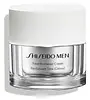
This anti-aging moisturizer is formulated around Niacinamide to soften the look of wrinkles and brighten dull-looking skin.
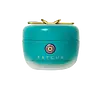
This barrier-repair moisturizer is formulated around Niacinamide and Saccharomyces/Rice Ferment Filtrate to strengthen the skin barrier and soften the look of wrinkles.


What's inside
What's inside
 Key Ingredients
Benefits
Concerns
Ingredients Side-by-side
Water
Skin ConditioningDimethicone
Emollient

Glycerin
Humectant

Alcohol
Antimicrobial




Dipropylene Glycol
HumectantNiacinamide
Smoothing









Ammonium Acryloyldimethyltaurate/Vp Copolymer
Silica
Abrasive
Xylitol
Humectant
Phenoxyethanol
Preservative
Cetyl Ethylhexanoate
EmollientTocopheryl Acetate
Antioxidant

Acrylamide/Sodium Acryloyldimethyltaurate Copolymer
Emulsion StabilisingIsohexadecane
EmollientPolysorbate 60
Emulsifying
Butylene Glycol
Humectant
PEG-20 Glyceryl Isostearate
Surfactant
Parfum
Masking

Aminopropyl Dimethicone
Polysorbate 80
Emulsifying
Sodium Citrate
BufferingAcrylates/C10-30 Alkyl Acrylate Crosspolymer
Emulsion StabilisingDipeptide-15
Skin Conditioning
Dipotassium Glycyrrhizate
Humectant
Sorbitan Oleate
Emulsifying
Potassium Hydroxide
BufferingCitric Acid
Buffering
Sodium Metabisulfite
Antioxidant
Sodium Metaphosphate
BufferingOryza Sativa Germ Oil
Emollient
CI 77891
Cosmetic ColorantLimonene
Perfuming
Paeonia Albiflora Root Extract
Skin ConditioningHydrogenated Lecithin
Emulsifying
Mentha Piperita Leaf Extract
Skin ConditioningLinalool
Perfuming
Centaurea Cyanus Flower Extract
Astringent
Sanguisorba Officinalis Root Extract
CleansingCinnamomum Cassia Bark Extract
Masking
CI 77492
Cosmetic ColorantAluminum Hydroxide
EmollientSodium Carboxymethyl Beta-Glucan
CleansingFagus Sylvatica Bud Extract
TonicOryzanol
Skin ConditioningCamellia Japonica Seed Extract
Skin ConditioningPerilla Ocymoides Leaf Extract
TonicBenzoic Acid
Masking
Glycyrrhiza Glabra Root Extract
Bleaching
Ganoderma Lucidum Stem Extract
Skin ConditioningTocopherol
Antioxidant
Water, Dimethicone, Glycerin, Alcohol, Dipropylene Glycol, Niacinamide, Ammonium Acryloyldimethyltaurate/Vp Copolymer, Silica, Xylitol, Phenoxyethanol, Cetyl Ethylhexanoate, Tocopheryl Acetate, Acrylamide/Sodium Acryloyldimethyltaurate Copolymer, Isohexadecane, Polysorbate 60, Butylene Glycol, PEG-20 Glyceryl Isostearate, Parfum, Aminopropyl Dimethicone, Polysorbate 80, Sodium Citrate, Acrylates/C10-30 Alkyl Acrylate Crosspolymer, Dipeptide-15, Dipotassium Glycyrrhizate, Sorbitan Oleate, Potassium Hydroxide, Citric Acid, Sodium Metabisulfite, Sodium Metaphosphate, Oryza Sativa Germ Oil, CI 77891, Limonene, Paeonia Albiflora Root Extract, Hydrogenated Lecithin, Mentha Piperita Leaf Extract, Linalool, Centaurea Cyanus Flower Extract, Sanguisorba Officinalis Root Extract, Cinnamomum Cassia Bark Extract, CI 77492, Aluminum Hydroxide, Sodium Carboxymethyl Beta-Glucan, Fagus Sylvatica Bud Extract, Oryzanol, Camellia Japonica Seed Extract, Perilla Ocymoides Leaf Extract, Benzoic Acid, Glycyrrhiza Glabra Root Extract, Ganoderma Lucidum Stem Extract, Tocopherol
Water
Skin ConditioningGlycerin
Humectant
Butylene Glycol
Humectant
Dimethicone
Emollient
Niacinamide
Smoothing
Pentylene Glycol
Skin Conditioning
Glycereth-26
Humectant
Phytosteryl/Octyldodecyl Lauroyl Glutamate
Skin ConditioningBetaine
Humectant
PEG-240/Hdi Copolymer Bis-Decyltetradeceth-20 Ether
StabilisingDipropylene Glycol
HumectantCaprylic/Capric/Myristic/Stearic Triglyceride
EmollientSaccharomyces/Rice Ferment Filtrate
Skin Conditioning
Camellia Sinensis Leaf Extract
Antimicrobial
Cladosiphon Okamuranus Extract
Skin Conditioning
Morinda Citrifolia Fruit Juice
Skin ConditioningAlpinia Speciosa Leaf Extract
Skin ConditioningPsidium Guajava Leaf Extract
AstringentCitrus Depressa Peel Extract
HumectantSaccharomyces Lysate Extract
Humectant
Ricinus Communis Seed Oil
Masking
Propanediol
Solvent
Triethylhexanoin
MaskingSodium Stearoyl Glutamate
CleansingAcrylates/C10-30 Alkyl Acrylate Crosspolymer
Emulsion StabilisingArginine
Masking
Tocopherol
Antioxidant
Dipotassium Glycyrrhizate
Humectant
Sodium Phosphate
BufferingCaprylyl Glycol
Emollient
Nonapeptide-1
Skin Conditioning
Parfum
Masking
Ethylhexylglycerin
Skin ConditioningPotassium Hydroxide
BufferingPotassium Laurate
EmulsifyingDisodium Phosphate
BufferingHydroxypropyltrimonium Hyaluronate
Phenoxyethanol
Preservative
Citral
Perfuming
Citrus Aurantium Bergamia Peel Oil
Perfuming
Citrus Limon Peel Oil
Masking
Limonene
Perfuming
Linalool
Perfuming
Linalyl Acetate
Masking
Pinene
Masking
Terpineol
Masking
Turpentine
Perfuming
Silica
Abrasive
CI 77491
Cosmetic ColorantWater, Glycerin, Butylene Glycol, Dimethicone, Niacinamide, Pentylene Glycol, Glycereth-26, Phytosteryl/Octyldodecyl Lauroyl Glutamate, Betaine, PEG-240/Hdi Copolymer Bis-Decyltetradeceth-20 Ether, Dipropylene Glycol, Caprylic/Capric/Myristic/Stearic Triglyceride, Saccharomyces/Rice Ferment Filtrate, Camellia Sinensis Leaf Extract, Cladosiphon Okamuranus Extract, Morinda Citrifolia Fruit Juice, Alpinia Speciosa Leaf Extract, Psidium Guajava Leaf Extract, Citrus Depressa Peel Extract, Saccharomyces Lysate Extract, Ricinus Communis Seed Oil, Propanediol, Triethylhexanoin, Sodium Stearoyl Glutamate, Acrylates/C10-30 Alkyl Acrylate Crosspolymer, Arginine, Tocopherol, Dipotassium Glycyrrhizate, Sodium Phosphate, Caprylyl Glycol, Nonapeptide-1, Parfum, Ethylhexylglycerin, Potassium Hydroxide, Potassium Laurate, Disodium Phosphate, Hydroxypropyltrimonium Hyaluronate, Phenoxyethanol, Citral, Citrus Aurantium Bergamia Peel Oil, Citrus Limon Peel Oil, Limonene, Linalool, Linalyl Acetate, Pinene, Terpineol, Turpentine, Silica, CI 77491
Reviews
Ingredients Explained
These ingredients are found in both products.
Ingredients higher up in an ingredient list are typically present in a larger amount.
Acrylates/C10-30 Alkyl Acrylate Crosspolymer is a synthetic polymer. It is used to thicken, emulsify, and improve the texture of products.
As an emulsifier, it helps stabilize oil-in-water emulsions to give products an elegant feel when applied.
It can also form a thin protective film on skin. One study found that a formula using this polymer helped slow down how quickly other ingredients (like DEET) were absorbed through skin.
A 2024 study of over 1,300 patients confirmed that sensitization to this ingredient is rare. It is also non-mutagenic and has a clean track record.
Learn more about Acrylates/C10-30 Alkyl Acrylate CrosspolymerButylene Glycol (or BG) is used within cosmetic products for a few different reasons:
Overall, Butylene Glycol is a safe and well-rounded ingredient that works well with other ingredients.
Though this ingredient works well with most skin types, some people with sensitive skin may experience a reaction such as allergic rashes, closed comedones, or itchiness.
Learn more about Butylene GlycolDimethicone is a type of synthetic silicone created from natural materials such as quartz. It is also known as polydimethylsiloxane.
What it does:
Dimethicone comes in different viscosities:
Depending on the viscosity, dimethicone has different properties.
Ingredients lists don't always show which type is used, so we recommend reaching out to the brand if you have questions about the viscosity.
This ingredient is unlikely to cause irritation because it does not get absorbed into skin. However, people with silicone allergies should be careful about using this ingredient.
Note: Dimethicone may contribute to pilling. This is because it is not oil or water soluble, so pilling may occur when layered with products. When mixed with heavy oils in a formula, the outcome is also quite greasy.
Learn more about DimethiconeDipotassium Glycyrrhizate comes from licorice root.
Extracts of licorice have demonstrated to have antibacterial, anti‐inflammatory, antiviral, antioxidant properties.
One component, glabridin, has extra potent antioxidant and soothing properties. It has also been found to block pigmentation from UVB rays in guinea pigs.
Licorice Root also contains a flavonoid. Flavonoids are a natural substance from in plants. Flavonoids also have antioxidant properties.
Another component, glycyrrhizin, has been found to have anti-inflammatory and antimicrobial benefits. This may make licorice root extract effective at treating acne. However, more research is needed to support this.
Liquiritin is one of the flavone compounds found in licorice. It has been found to help lighten skin by preventing tyrosinase from reacting with tyrosine. When the two react, protein is converted to melanin. Melanin is the substance in your body that gives your features pigmentation.
Licorice root is native to Southern Europe and Asia. It has been used in traditional Chinese medicine to help with respiratory issues.
Learn more about Dipotassium GlycyrrhizateDipropylene Glycol is a synthetically created humectant, stabilizer, and solvent.
This ingredient helps:
Dipropylene glycol is technically an alcohol, but it belongs to the glycol family (often considered part of the ‘good’ alcohols). This means it is hydrating and gentle on skin unlike drying solvent alcohols like denatured alcohol.
As a masking agent, Dipropylene Glycol can be used to cover the smell of other ingredients. However, it does not have a scent.
Studies show Dipropylene Glycol is considered safe to use in skincare.
Learn more about Dipropylene GlycolGlycerin (or glycerol) is a compound naturally found in your skin. It's a powerhouse humectant that pulls water into the stratum corneum.
Topically, glycerin does several things at once:
Your skin makes glycerin on its own (mostly from sebaceous oil breakdown) and shuttles it to your outermost layer of skin, or your epidermis, via aquaporin-3.
Aquaporin-3 is a transporter that is essential for normal skin hydration, elasticity, and repair. Interestingly, mice lacking in AQP3 have dry and less elastic skin that can be fully corrected with glycerin.
This ingredient is non-irritating, plays well with almost every ingredient, and works across all skin types. Typical use is anywhere between 3-10% but can go up to 79% in some leave-on products.
Just know very high concentrations (>40%) can feel tacky in low humidity.
Glycerin is the name for this ingredient in American English. British English uses Glycerol/Glycerine.
Learn more about GlycerinLimonene is the compound that gives citrus peel its smell.
In skincare, it shows up as a standalone fragrance ingredient or as a natural compound of citrus and other essential oils.
You'll typically see this ingredient used in very small amounts; anything above 0.001% in a leave-on product or 0.01% in a rinse-off has to be named on the label in the EU. The citrus oils that carry it sit around 0.5-1% in a finished formula.
Fresh limonene is a weak allergen; the real issue is that it slowly reacts with air and then breaks down from oxidation to create hydroperoxides (which are strong sensitizers). This is why suppliers are required to keep the peroxide value below 20 mmol.
Positive reactions in people being investigated for eczema vary:
It's worth skipping if you have a known fragrance allergy or a compromised barrier, but the risk is low for most people.
Older or long-opened products are also more likely to bother you than fresh ones due to oxidation.
Learn more about LimoneneLinalool is a small, naturally occurring scent molecule found in plants like lavender, coriander, bergamot, and more.
It is one of the two most-used fragrance ingredients in cosmetics and added purely for smell. Since it's not used for a skin benefit, there's no "effective dose". Concentration depends on the fragrance load of the product.
The EU requires it to be named on the label above 0.001% in leave-on and 0.01% in rinse-off products.
Fresh linalool is a weak sensitizer but air exposure turns some of it into hydroperoxides, which are strong sensitizers. Those oxidation products are the actual allergy concern.
Patch-test clinics see positive reactions to linalool hydroperoxides in about 4% to 12% of dermatitis patients depending on country and test concentration.
Resassuringly, one analytical study found hydroperoxide levels in real fragranced products to be orders of magnitude below what induced sensitization in animal studies with no evidence of oxidation building up during normal storage.
The practical takeaway is that linalool is fine for most people but worth avoiding if you have a confirmed fragrance contact allergy or a badly compromised barrier.
Products stored a long time after opening are also the high-risk scenario since that is when oxidation happens.
The scent of linalool is described as floral, spicy tropical, and citrus-like.
Learn more about LinaloolNiacinamide is a multitasking form of vitamin B3 that strengthens the skin barrier, reduces pores and dark spots, regulates oil, and improves signs of aging.
And the best part? It's gentle and well-tolerated by most skin types, including sensitive and reactive skin.
You might have heard of "niacin flush", or the reddening of skin that causes itchiness. Niacinamide has not been found to cause this.
In very rare cases, some individuals may not be able to tolerate niacinamide at all or experience an allergic reaction to it.
If you are experiencing flaking, irritation, and dryness with this ingredient, be sure to double check all your products as this ingredient can be found in all categories of skincare.
When incorporating niacinamide into your routine, look out for concentration amounts. Typically, 5% niacinamide provides benefits such as fading dark spots. However, if you have sensitive skin, it is better to begin with a smaller concentration.
When you apply niacinamide to your skin, your body converts it into nicotinamide adenine dinucleotide (NAD). NAD is an essential coenzyme that is already found in your cells as "fuel" and powers countless biological processes.
In your skin, NAD helps repair cell damage, produce new healthy cells, support collagen production, strengthen the skin barrier, and fight environmental stressors (like UV and pollution).
Our natural NAD levels start to decline with age, leading to slower skin repair, visible aging, and a weaker skin barrier. By providing your skin niacinamide, you're recharging your skin's NAD levels. This leads to stronger, healthier, and younger looking skin.
Another name for vitamin B3 is nicotinamide. This vitamin is water-soluble and our bodies don't store it. We obtain Vitamin B3 from either food or skincare. Meat, fish, wheat, yeast, and leafy greens contain vitamin B3.
The type of niacinamide used in skincare is synthetically created.
Learn more about NiacinamideParfum is a catch-all term for an ingredient or more that is used to give a scent to products.
Also called "fragrance", this ingredient can be a blend of hundreds of chemicals or plant oils. This means every product with "fragrance" or "parfum" in the ingredients list is a different mixture.
For instance, Habanolide is a proprietary trade name for a specific aroma chemical. When used as a fragrance ingredient in cosmetics, most aroma chemicals fall under the broad labeling category of “FRAGRANCE” or “PARFUM” according to EU and US regulations.
The term 'parfum' or 'fragrance' is not regulated in many countries. In many cases, it is up to the brand to define this term.
For instance, many brands choose to label themselves as "fragrance-free" because they are not using synthetic fragrances. However, their products may still contain ingredients such as essential oils that are considered a fragrance by INCI standards.
One example is Calendula flower extract. Calendula is an essential oil that still imparts a scent or 'fragrance'.
Depending on the blend, the ingredients in the mixture can cause allergies and sensitivities on the skin. Some ingredients that are known EU allergens include linalool and citronellol.
Parfum can also be used to mask or cover an unpleasant scent.
The bottom line is: not all fragrances/parfum/ingredients are created equally. If you are worried about fragrances, we recommend taking a closer look at an ingredient. And of course, we always recommend speaking with a professional.
Learn more about ParfumPhenoxyethanol is one of the most widely used preservatives in skincare (and for good reason!).
It has a large spectrum of antimicrobial activity and especially effective bacteria, yeast, and mold while only having a weak effect on your skin's natural microbiome.
On a cellular level, it disrupts the cell membranes of microbes by poking holes that make the cell leak. This shuts down the chemical reactions the microbe needs to make energy so it can no longer survive.
Another perk of this ingredient is that it stays functional across a wide pH range (3-10).
You'll often see it paired with boosters like Ethylhexylglycerin; one study showed that a 1:9 ratio of Ethylhexylglycerin to Phenoxyethanol damages bacterial membranes as effectively as doubling the Phenoxyethanol concentration on its own.
Typical use concentrations range from 0.3-1% depending on the formula, and this ingredient is capped at 1% int the EU.
Safety-wise, the fear mongering does not hold up to the evidence. The EU's Scientific Committee on Consumer Safety and FDA consider it safe as a preservative at up to 1%, including for children of all ages.
Adverse systemic effects only showed up in animal studies at exposures roughly 200x higher than what people get from cosmetics. And despite its very widespread use, this ingredient is a rare sensitizer and allergic reactions are uncommon.
Learn more about PhenoxyethanolPotassium Hydroxide (also known as potash) is a strong alkaline ingredient that does one job: it nudges a product's pH up so the whole formula lands in a skin-friendly range.
It's also the base that turns oils into liquid soap during the soap making process.
An expert safety panel reviewed it and found it safe when formulations are made to be non-irritating.
As a pH adjuster, it's typically used well under 1% though regulatory caps go much higher: 5% in nail cuticle removers and 2-4.5% in hair straighteners.
Though there is some concern for irritation from raw or high pH material, a well-balanced formula will be a non-issue for the vast majority of people.
Learn more about Potassium HydroxideSilica, also known as silicon dioxide, is a naturally occurring mineral. It is used as a fine, spherical, and porous powder in cosmetics.
Though it has exfoliant properties, the function of silica varies depending on the product.
The unique structure of silica enhances the spreadability and adds smoothness, making it a great texture enhancer.
It is also used as an active carrier, emulsifier, and mattifier due to its ability to absorb excess oil.
In some products, tiny microneedles called spicules are made from silica or hydrolyzed sponge. When you rub them in, they lightly polish away dead skin layers and enhance the penetration of active ingredients.
Learn more about SilicaTocopherol is a fat-soluble antioxidant known as Vitamin E.
You'll find this ingredient in the vast majority of skincare (for good reason). It works to neutralize free radicals, or unstable molecules generated by UV exposure, pollution, and other environmental stressors, before they can cause oxidative damage to your skin cells.
Topically applied tocopherol has been shown to protect against UV damage by ramping up the skin's own natural defense enzymes.
It also acts as a skin conditioning agent; some studies show that regular topical use can improve the skin's water-binding capacity over 2-4 weeks.
This ingredient is especially loved for being a team player. When combined with Vitamin C, the photoprotective effect of both ingredients roughly doubles and the combo also helps reduce UV-induced DNA damage.
This ingredient has some brightening potential but it's more of a prevention ingredient than spot-fader. Cell studies show it can slow down melanin production but it's worth noting that it's not the most powerful brightener out there.
In formulations, it also serves as a stabilizer that helps protect other oxidation-prone ingredients from degrading.
Concentrations usually range from 0.1-1% in most leave-on products.
Learn more about TocopherolWater. It's the most common cosmetic ingredient of all. You'll usually see it at the top of ingredient lists, meaning that it makes up the largest part of the product.
So why is it so popular? Water most often acts as a solvent - this means that it helps dissolve other ingredients into the formulation.
You'll also recognize water as that liquid we all need to stay alive. If you see this, drink a glass of water. Remember to stay hydrated!
Learn more about Water

