

What's inside
What's inside
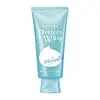 Key Ingredients
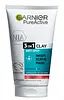
Benefits
Concerns
Ingredients Side-by-side
Water
Skin ConditioningStearic Acid
Cleansing

Myristic Acid
Cleansing
PEG-8
HumectantPotassium Hydroxide
BufferingLauric Acid
Cleansing
Glycerin
Humectant



Dipropylene Glycol
HumectantAlcohol
Antimicrobial




Salicylic Acid
Masking




Beeswax
Emulsion Stabilising
Polyquaternium-7
Parfum
Masking
Disodium EDTA
PEG-90m
Emulsion StabilisingCI 77288
Cosmetic ColorantSodium Benzoate
Masking
Sodium Metabisulfite
Antioxidant
Sodium Metaphosphate
BufferingCI 77492
Cosmetic ColorantCI 77491
Cosmetic ColorantPEG/PPG-14/7 Dimethyl Ether
Skin ConditioningSodium Hyaluronate
Humectant
Butylene Glycol
Humectant
Sericin
Skin ConditioningCitric Acid
Buffering

Potassium Sorbate
Preservative
Sodium Acetylated Hyaluronate
Humectant
Silica
Abrasive
BHT
Antioxidant
Chamomilla Recutita Flower Extract
Masking

Water, Stearic Acid, Myristic Acid, PEG-8, Potassium Hydroxide, Lauric Acid, Glycerin, Dipropylene Glycol, Alcohol, Salicylic Acid, Beeswax, Polyquaternium-7, Parfum, Disodium EDTA, PEG-90m, CI 77288, Sodium Benzoate, Sodium Metabisulfite, Sodium Metaphosphate, CI 77492, CI 77491, PEG/PPG-14/7 Dimethyl Ether, Sodium Hyaluronate, Butylene Glycol, Sericin, Citric Acid, Potassium Sorbate, Sodium Acetylated Hyaluronate, Silica, BHT, Chamomilla Recutita Flower Extract
Water
Skin ConditioningKaolin
Abrasive
Glycerin
Humectant
Zea Mays Starch
AbsorbentCI 77891
Cosmetic ColorantDecyl Glucoside
CleansingPerlite
AbsorbentSodium Laureth Sulfate
Cleansing
PEG-7 Glyceryl Cocoate
Emulsifying
Eucalyptus Globulus Leaf Extract
Perfuming
PEG-30 Dipolyhydroxystearate
Emulsifying
Zinc Gluconate
Skin Conditioning
Trideceth-6
EmulsifyingSodium Hydroxide
BufferingSilica
Abrasive
Pumice
Abrasive
Hydrogenated Castor Oil
Emollient
Hydrogenated Jojoba Oil
Abrasive
Tetrasodium EDTA
Smithsonite Extract
Antioxidant
Xanthan Gum
EmulsifyingMenthol
Masking
Acrylates/C10-30 Alkyl Acrylate Crosspolymer
Emulsion StabilisingSalicylic Acid
Masking
Phenoxyethanol
Preservative
CI 77007
Cosmetic ColorantCI 42090
Cosmetic ColorantLinalool
Perfuming
Limonene
Perfuming
Benzyl Alcohol
Perfuming
Benzyl Salicylate
Perfuming
Parfum
Masking
Water, Kaolin, Glycerin, Zea Mays Starch, CI 77891, Decyl Glucoside, Perlite, Sodium Laureth Sulfate, PEG-7 Glyceryl Cocoate, Eucalyptus Globulus Leaf Extract, PEG-30 Dipolyhydroxystearate, Zinc Gluconate, Trideceth-6, Sodium Hydroxide, Silica, Pumice, Hydrogenated Castor Oil, Hydrogenated Jojoba Oil, Tetrasodium EDTA, Smithsonite Extract, Xanthan Gum, Menthol, Acrylates/C10-30 Alkyl Acrylate Crosspolymer, Salicylic Acid, Phenoxyethanol, CI 77007, CI 42090, Linalool, Limonene, Benzyl Alcohol, Benzyl Salicylate, Parfum
Reviews
Ingredients Explained
These ingredients are found in both products.
Ingredients higher up in an ingredient list are typically present in a larger amount.
Glycerin is already naturally found in your skin. It helps moisturize and protect your skin.
A study from 2016 found glycerin to be more effective as a humectant than AHAs and hyaluronic acid.
As a humectant, it helps the skin stay hydrated by pulling moisture to your skin. The low molecular weight of glycerin allows it to pull moisture into the deeper layers of your skin.
Hydrated skin improves your skin barrier; Your skin barrier helps protect against irritants and bacteria.
Glycerin has also been found to have antimicrobial and antiviral properties. Due to these properties, glycerin is often used in wound and burn treatments.
In cosmetics, glycerin is usually derived from plants such as soybean or palm. However, it can also be sourced from animals, such as tallow or animal fat.
This ingredient is organic, colorless, odorless, and non-toxic.
Glycerin is the name for this ingredient in American English. British English uses Glycerol/Glycerine.
Learn more about GlycerinParfum is a catch-all term for an ingredient or more that is used to give a scent to products.
Also called "fragrance", this ingredient can be a blend of hundreds of chemicals or plant oils. This means every product with "fragrance" or "parfum" in the ingredients list is a different mixture.
For instance, Habanolide is a proprietary trade name for a specific aroma chemical. When used as a fragrance ingredient in cosmetics, most aroma chemicals fall under the broad labeling category of “FRAGRANCE” or “PARFUM” according to EU and US regulations.
The term 'parfum' or 'fragrance' is not regulated in many countries. In many cases, it is up to the brand to define this term.
For instance, many brands choose to label themselves as "fragrance-free" because they are not using synthetic fragrances. However, their products may still contain ingredients such as essential oils that are considered a fragrance by INCI standards.
One example is Calendula flower extract. Calendula is an essential oil that still imparts a scent or 'fragrance'.
Depending on the blend, the ingredients in the mixture can cause allergies and sensitivities on the skin. Some ingredients that are known EU allergens include linalool and citronellol.
Parfum can also be used to mask or cover an unpleasant scent.
The bottom line is: not all fragrances/parfum/ingredients are created equally. If you are worried about fragrances, we recommend taking a closer look at an ingredient. And of course, we always recommend speaking with a professional.
Learn more about ParfumSalicylic Acid (also known as beta hydroxy acid or BHA) is a well-known ingredient for treating skin that struggles with acne and clogged pores. It exfoliates both the skin's surface and deep within the pores to help clear out buildup, control oil, and reduce inflammation.
Unlike AHAs (alpha hydroxy acids), salicylic acid is oil-soluble. This allows it to penetrate into pores which makes it especially effective for treating blackheads and preventing future breakouts.
Salicylic acid is also known for its soothing properties. It has a similar structure to aspirin and can calm inflamed or irritated skin, making it a good option for acne-prone skin that is also sensitive.
Concentrations of 0.5-2% are recognized by the U.S. FDA as an over-the-counter topical acne product.
It can cause irritation and/or dryness if one's skin already has a compromised moisture barrier, so it's best to focus on repairing that before introducing this ingredient into your routine.
While salicylic acid does not increase sun sensitivity, it’s still important to wear sunscreen daily to protect your skin.
If you are looking for the ingredient called BHA or Butylated Hydroxyanisole, click here.
Learn more about Salicylic AcidSilica, also known as silicon dioxide, is a naturally occurring mineral. It is used as a fine, spherical, and porous powder in cosmetics.
Though it has exfoliant properties, the function of silica varies depending on the product.
The unique structure of silica enhances the spreadability and adds smoothness, making it a great texture enhancer.
It is also used as an active carrier, emulsifier, and mattifier due to its ability to absorb excess oil.
In some products, tiny microneedles called spicules are made from silica or hydrolyzed sponge. When you rub them in, they lightly polish away dead skin layers and enhance the penetration of active ingredients.
Learn more about SilicaWater. It's the most common cosmetic ingredient of all. You'll usually see it at the top of ingredient lists, meaning that it makes up the largest part of the product.
So why is it so popular? Water most often acts as a solvent - this means that it helps dissolve other ingredients into the formulation.
You'll also recognize water as that liquid we all need to stay alive. If you see this, drink a glass of water. Stay hydrated!
Learn more about Water
