

What's inside
What's inside
 Key Ingredients
Benefits
Concerns
Ingredients Side-by-side
Water
Skin ConditioningDimethicone
Emollient

CI 77891
Cosmetic ColorantIsododecane
EmollientCI 77288
Cosmetic ColorantNiacinamide
Smoothing










PEG-10 Dimethicone
Skin Conditioning
Synthetic Fluorphlogopite
Trimethylsiloxysilicate
Emollient
Zea Mays Starch
Absorbent
Dimethicone/Vinyl Dimethicone Crosspolymer
Skin Conditioning
PEG/PPG-18/18 Dimethicone
Emulsifying
Butylene Glycol
Humectant
Disteardimonium Hectorite
StabilisingSodium Chloride
MaskingPhenoxyethanol
Preservative
Potassium Sorbate
Preservative
Sodium Dehydroacetate
Preservative
Ethylhexylglycerin
Skin ConditioningTriethoxycaprylylsilane
Aluminum Hydroxide
EmollientXanthan Gum
EmulsifyingSimmondsia Chinensis Seed Oil
Emollient


Sodium Gluconate
Skin ConditioningSodium Hyaluronate
Humectant
CI 77007
Cosmetic ColorantTocopherol
Antioxidant

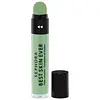
Water, Dimethicone, CI 77891, Isododecane, CI 77288, Niacinamide, PEG-10 Dimethicone, Synthetic Fluorphlogopite, Trimethylsiloxysilicate, Zea Mays Starch, Dimethicone/Vinyl Dimethicone Crosspolymer, PEG/PPG-18/18 Dimethicone, Butylene Glycol, Disteardimonium Hectorite, Sodium Chloride, Phenoxyethanol, Potassium Sorbate, Sodium Dehydroacetate, Ethylhexylglycerin, Triethoxycaprylylsilane, Aluminum Hydroxide, Xanthan Gum, Simmondsia Chinensis Seed Oil, Sodium Gluconate, Sodium Hyaluronate, CI 77007, Tocopherol
Water
Skin ConditioningDibutyl Adipate
EmollientButyloctyl Salicylate
Skin Conditioning

CI 77891
Cosmetic ColorantEthylhexyl Salicylate
UV Absorber
Methyl Trimethicone
Skin Conditioning
CI 77947
Zinc Oxide
Cosmetic Colorant
Cetyl PEG/PPG-10/1 Dimethicone
Emulsifying
Glycerin
Humectant
Bis-Ethylhexyloxyphenol Methoxyphenyl Triazine
UV Absorber
Vinyl Dimethicone/Methicone Silsesquioxane Crosspolymer
Disteardimonium Hectorite
StabilisingDimethicone
Emollient
Lauryl PEG-10 Tris(Trimethylsiloxy)Silylethyl Dimethicone
Emulsifying
Magnesium Sulfate
Ethylhexyl Triazone
UV Absorber
Hexyl Laurate
Emollient
Pentylene Glycol
Skin Conditioning
Centella Asiatica Leaf Extract
Skin Conditioning
Butylene Glycol
Humectant
Panthenol
Skin Conditioning
Synthetic Fluorphlogopite
Mica
Cosmetic ColorantDimethicone/Vinyl Dimethicone Crosspolymer
Skin Conditioning
Trihydroxystearin
Skin Conditioning
Bisabolol
Antioxidant
Glyceryl Caprylate
EmollientCaprylyl Glycol
Emollient
Triethoxycaprylylsilane
Aluminum Hydroxide
EmollientPolyester-1
Silica Dimethyl Silylate
EmollientSodium Hyaluronate
Humectant
Ethylhexylglycerin
Skin ConditioningPentaerythrityl Tetra-Di-T-Butyl Hydroxyhydrocinnamate
Antioxidant
Tocopherol
Antioxidant
Citric Acid
Buffering
Parfum
Masking



Acetyl Cedrene

Alpha-Isomethyl Ionone
Perfuming
Citronellol
Perfuming
Geraniol
Perfuming
Hexyl Cinnamal
Perfuming
Linalool
Perfuming
Linalyl Acetate
Masking
CI 77288
Cosmetic ColorantCI 77491
Cosmetic ColorantCI 77492
Cosmetic ColorantCI 77499
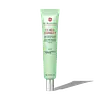
Cosmetic ColorantWater, Dibutyl Adipate, Butyloctyl Salicylate, CI 77891, Ethylhexyl Salicylate, Methyl Trimethicone, CI 77947, Zinc Oxide, Cetyl PEG/PPG-10/1 Dimethicone, Glycerin, Bis-Ethylhexyloxyphenol Methoxyphenyl Triazine, Vinyl Dimethicone/Methicone Silsesquioxane Crosspolymer, Disteardimonium Hectorite, Dimethicone, Lauryl PEG-10 Tris(Trimethylsiloxy)Silylethyl Dimethicone, Magnesium Sulfate, Ethylhexyl Triazone, Hexyl Laurate, Pentylene Glycol, Centella Asiatica Leaf Extract, Butylene Glycol, Panthenol, Synthetic Fluorphlogopite, Mica, Dimethicone/Vinyl Dimethicone Crosspolymer, Trihydroxystearin, Bisabolol, Glyceryl Caprylate, Caprylyl Glycol, Triethoxycaprylylsilane, Aluminum Hydroxide, Polyester-1, Silica Dimethyl Silylate, Sodium Hyaluronate, Ethylhexylglycerin, Pentaerythrityl Tetra-Di-T-Butyl Hydroxyhydrocinnamate, Tocopherol, Citric Acid, Parfum, Acetyl Cedrene, Alpha-Isomethyl Ionone, Citronellol, Geraniol, Hexyl Cinnamal, Linalool, Linalyl Acetate, CI 77288, CI 77491, CI 77492, CI 77499
Reviews
Ingredients Explained
These ingredients are found in both products.
Ingredients higher up in an ingredient list are typically present in a larger amount.
Aluminum Hydroxide is a form of aluminum. It can be naturally found in nature as the mineral gibbsite. In cosmetics, Aluminum Hydroxide is used as a colorant, pH adjuster, and absorbent.
As a colorant, Aluminum Hydroxide may add opacity, or reduce the transparency. Aluminum hydroxide is contains both basic and acidic properties.
According to manufacturers, this ingredient is an emollient and humectant. This means it helps hydrate the skin.
In medicine, this ingredient is used to help relieve heartburn and help heal ulcers.
There is currently no credible scientific evidence linking aluminum hydroxide in cosmetics to increased cancer risk.
Major health organizations allow the use of aluminum hydroxide in personal care products and have not flagged it as a carcinogenic risk at typical usage levels.
Learn more about Aluminum HydroxideButylene Glycol (or BG) is used within cosmetic products for a few different reasons:
Overall, Butylene Glycol is a safe and well-rounded ingredient that works well with other ingredients.
Though this ingredient works well with most skin types, some people with sensitive skin may experience a reaction such as allergic rashes, closed comedones, or itchiness.
Learn more about Butylene GlycolCi 77288 is used to add green pigment to products.
Ci 77891 is a white pigment from Titanium dioxide. It is naturally found in minerals such as rutile and ilmenite.
It's main function is to add a white color to cosmetics. It can also be mixed with other colors to create different shades.
Ci 77891 is commonly found in sunscreens due to its ability to block UV rays.
Learn more about CI 77891Dimethicone is a type of synthetic silicone created from natural materials such as quartz. It is also known as polydimethylsiloxane.
What it does:
Dimethicone comes in different viscosities:
Depending on the viscosity, dimethicone has different properties.
Ingredients lists don't always show which type is used, so we recommend reaching out to the brand if you have questions about the viscosity.
This ingredient is unlikely to cause irritation because it does not get absorbed into skin. However, people with silicone allergies should be careful about using this ingredient.
Note: Dimethicone may contribute to pilling. This is because it is not oil or water soluble, so pilling may occur when layered with products. When mixed with heavy oils in a formula, the outcome is also quite greasy.
Learn more about DimethiconeThis ingredient is a silicone elastomer that works as a texture enhancer, adds a silky slip, and also helps absorb excess oil.
Because it's a large macromolecule that's insoluble in water and chemically inert, it's not expected to penetrate or be absorbed into skin.
Human patch tests with a facial lotion containing 1% of this ingredient found no sensitization.
Learn more about Dimethicone/Vinyl Dimethicone CrosspolymerDisteardimonium Hectorite comes from the clay mineral named hectorite. It is used to add thickness to a product.
It can also help stabilize a product by helping to disperse other ingredients.
Hectorite is a rare, white clay mineral.
Learn more about Disteardimonium HectoriteEthylhexylglycerin is created from glycerin. It is a multitasker ingredient that:
The CIR Expert Panel found minimal skin absorption or sensitization of any kind in a safety assessment. Though this ingredient is considered well-tolerated, a small number of cases of allergic dermatitis have been published since 2002. Just be sure to patch test if you are unsure.
Industry-reported use ranges from 8% in rinse-off products and 2% in leave-on formulations.
Learn more about EthylhexylglycerinSodium Hyaluronate is the salt form of hyaluronic acid. It is a long sugar chain that is naturally found in your skin, joints, and connective tissue that maintains hydration and elasticity.
In skincare, it works as a humectant. It pulls water from the environment and deeper layers of skin and binds it to the surface.
Interestingly, the size of the molecule affects its behavior:
Some clinical evidence links low molecular weight versions to improved wrinkle depth, elasticity, anti-inflammatory effects, and barrier repair.
Many serums use a blend of both weights so you can get surface hydration plus longer-lasting and deeper effects.
You'll typically see concentrations between 0.1-2% for this ingredient.
Learn more about Sodium HyaluronateSynthetic Fluorphlogopite is the synthethic version of mica. It consists of fluorine, aluminum and silicate.
Synthetic Fluorphlogopite is used to add volume to products.
It is considered non-irritating on the skin.
Learn more about Synthetic FluorphlogopiteTocopherol is a fat-soluble antioxidant known as Vitamin E.
You'll find this ingredient in the vast majority of skincare (for good reason). It works to neutralize free radicals, or unstable molecules generated by UV exposure, pollution, and other environmental stressors, before they can cause oxidative damage to your skin cells.
Topically applied tocopherol has been shown to protect against UV damage by ramping up the skin's own natural defense enzymes.
It also acts as a skin conditioning agent; some studies show that regular topical use can improve the skin's water-binding capacity over 2-4 weeks.
This ingredient is especially loved for being a team player. When combined with Vitamin C, the photoprotective effect of both ingredients roughly doubles and the combo also helps reduce UV-induced DNA damage.
This ingredient has some brightening potential but it's more of a prevention ingredient than spot-fader. Cell studies show it can slow down melanin production but it's worth noting that it's not the most powerful brightener out there.
In formulations, it also serves as a stabilizer that helps protect other oxidation-prone ingredients from degrading.
Concentrations usually range from 0.1-1% in most leave-on products.
Learn more about TocopherolTriethoxycaprylylsilane is a silicon-based surface modifier that makes sunscreens feel silky and makeup stay put.
Its main job is to coat mineral particles like titanium dioxide, zinc oxide, and color pigments in a thin, oily layer so they spread smoothly, don't clump, and stick to skin better.
This ingredient is typically used at low levels (up to 2.5% in eyeshadow and 1% in lipstick).
Learn more about TriethoxycaprylylsilaneWater. It's the most common cosmetic ingredient of all. You'll usually see it at the top of ingredient lists, meaning that it makes up the largest part of the product.
So why is it so popular? Water most often acts as a solvent - this means that it helps dissolve other ingredients into the formulation.
You'll also recognize water as that liquid we all need to stay alive. If you see this, drink a glass of water. Remember to stay hydrated!
Learn more about Water

