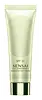
This anti-aging day moisturizer is formulated around Niacinamide and Acetyl Glucosamine to soften the look of wrinkles and brighten dull-looking skin.
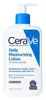
This barrier-repair moisturizer is formulated around Ceramide NP and Ceramide AP to strengthen the skin barrier and hydrate skin.


What's inside
What's inside
 Key Ingredients
Benefits
Concerns
Ingredients Side-by-side
Water
Skin ConditioningZinc Oxide
Cosmetic Colorant


Alcohol
Antimicrobial




Glycerin
Humectant


Dipropylene Glycol
HumectantEthylhexyl Methoxycinnamate
UV Absorber
Diglycerin
Humectant
Triethylhexanoin
MaskingButylene Glycol
Humectant
Dimethicone
Emollient
Isocetyl Myristate
EmollientBeheneth-2
EmulsifyingBehenyl Alcohol
Emollient
Bis-Ethylhexyloxyphenol Methoxyphenyl Triazine
UV Absorber
Diethylamino Hydroxybenzoyl Hexyl Benzoate
UV Filter
Niacinamide
Smoothing








Polysilicone-15
UV Filter
Sodium Acrylate/Sodium Acryloyldimethyl Taurate Copolymer
Emulsion StabilisingIsohexadecane
EmollientPhenoxyethanol
Preservative
Alumina
Abrasive
Parfum
Masking

Triethoxycaprylylsilane
Polysorbate 80
Emulsifying
Methylserine
Skin ConditioningStearyl Glycyrrhetinate
Skin ConditioningXanthan Gum
EmulsifyingAcetyl Glucosamine
Skin Conditioning
Disodium EDTA
Dimethoxy Di-P-Cresol
Antioxidant
BHT
Antioxidant
Hydrolyzed Silk
Humectant
Limonene
Perfuming
Tin Oxide
Abrasive
Nasturtium Officinale Extract
Perfuming
Faex Extract
Skin ConditioningHexyl Cinnamal
Perfuming
Alpha-Isomethyl Ionone
Perfuming
Hydrolyzed Brassica Alba Seed Extract
Skin ConditioningZostera Marina Extract
Skin ConditioningPyracantha Fortuneana Fruit Extract
Skin ConditioningDioscorea Panthaica Root Extract
EmollientCamellia Sinensis Leaf Extract
Antimicrobial
CI 14700
Cosmetic ColorantCI 15985
Cosmetic ColorantCI 77891
Cosmetic ColorantWater, Zinc Oxide, Alcohol, Glycerin, Dipropylene Glycol, Ethylhexyl Methoxycinnamate, Diglycerin, Triethylhexanoin, Butylene Glycol, Dimethicone, Isocetyl Myristate, Beheneth-2, Behenyl Alcohol, Bis-Ethylhexyloxyphenol Methoxyphenyl Triazine, Diethylamino Hydroxybenzoyl Hexyl Benzoate, Niacinamide, Polysilicone-15, Sodium Acrylate/Sodium Acryloyldimethyl Taurate Copolymer, Isohexadecane, Phenoxyethanol, Alumina, Parfum, Triethoxycaprylylsilane, Polysorbate 80, Methylserine, Stearyl Glycyrrhetinate, Xanthan Gum, Acetyl Glucosamine, Disodium EDTA, Dimethoxy Di-P-Cresol, BHT, Hydrolyzed Silk, Limonene, Tin Oxide, Nasturtium Officinale Extract, Faex Extract, Hexyl Cinnamal, Alpha-Isomethyl Ionone, Hydrolyzed Brassica Alba Seed Extract, Zostera Marina Extract, Pyracantha Fortuneana Fruit Extract, Dioscorea Panthaica Root Extract, Camellia Sinensis Leaf Extract, CI 14700, CI 15985, CI 77891
Water
Skin ConditioningGlycerin
Humectant
Caprylic/Capric Triglyceride
Masking
Cetearyl Alcohol
Emollient

Cetyl Alcohol
Emollient
Potassium Phosphate
BufferingCeramide NP
Skin Conditioning
Ceramide AP
Skin Conditioning
Ceramide EOP
Skin Conditioning
Carbomer
Emulsion StabilisingDimethicone
Emollient
Ceteareth-20
Cleansing
Behentrimonium Methosulfate
SurfactantMethylparaben
Preservative
Sodium Lauroyl Lactylate
EmulsifyingCholesterol
Emollient
Disodium EDTA
Dipotassium Phosphate
BufferingPropylparaben
Preservative
Hydrolyzed Hyaluronic Acid
Humectant
Phytosphingosine
Skin Conditioning
Xanthan Gum
EmulsifyingPolysorbate 20
Emulsifying
Polyglyceryl-3 Diisostearate
Emulsifying
Water, Glycerin, Caprylic/Capric Triglyceride, Cetearyl Alcohol, Cetyl Alcohol, Potassium Phosphate, Ceramide NP, Ceramide AP, Ceramide EOP, Carbomer, Dimethicone, Ceteareth-20, Behentrimonium Methosulfate, Methylparaben, Sodium Lauroyl Lactylate, Cholesterol, Disodium EDTA, Dipotassium Phosphate, Propylparaben, Hydrolyzed Hyaluronic Acid, Phytosphingosine, Xanthan Gum, Polysorbate 20, Polyglyceryl-3 Diisostearate
Reviews
Ingredients Explained
These ingredients are found in both products.
Ingredients higher up in an ingredient list are typically present in a larger amount.
Dimethicone is a type of synthetic silicone created from natural materials such as quartz. It is also known as polydimethylsiloxane.
What it does:
Dimethicone comes in different viscosities:
Depending on the viscosity, dimethicone has different properties.
Ingredients lists don't always show which type is used, so we recommend reaching out to the brand if you have questions about the viscosity.
This ingredient is unlikely to cause irritation because it does not get absorbed into skin. However, people with silicone allergies should be careful about using this ingredient.
Note: Dimethicone may contribute to pilling. This is because it is not oil or water soluble, so pilling may occur when layered with products. When mixed with heavy oils in a formula, the outcome is also quite greasy.
Learn more about DimethiconeDisodium EDTA is a chelating agent. It grabs onto and deactivates metal ions that sneak into your products from water, packaging, or air.
This ingredient mainly works behind the scenes and helps with:
On top of that, this ingredient can counteract the effects of hard water by binding to the minerals in it.
One thing worth knowing is that Disodium EDTA has been shown to be a mild penetration enhancer. It can help other ingredients absorb into skin more effectively which can be a double-edged sword (great for actives, but can also make the active too strong if you have sensitive skin).
Clinical patch testing showed no significant skin irritation at typical use concentrations and minimal dermal absorption.
You'll most likely see this ingredient near the end of an ingredient list. It's typically found in concentrations less than 1%.
Learn more about Disodium EDTAGlycerin (or glycerol) is a compound naturally found in your skin. It's a powerhouse humectant that pulls water into the stratum corneum.
Topically, glycerin does several things at once:
Your skin makes glycerin on its own (mostly from sebaceous oil breakdown) and shuttles it to your outermost layer of skin, or your epidermis, via aquaporin-3.
Aquaporin-3 is a transporter that is essential for normal skin hydration, elasticity, and repair. Interestingly, mice lacking in AQP3 have dry and less elastic skin that can be fully corrected with glycerin.
This ingredient is non-irritating, plays well with almost every ingredient, and works across all skin types. Typical use is anywhere between 3-10% but can go up to 79% in some leave-on products.
Just know very high concentrations (>40%) can feel tacky in low humidity.
Glycerin is the name for this ingredient in American English. British English uses Glycerol/Glycerine.
Learn more about GlycerinWater. It's the most common cosmetic ingredient of all. You'll usually see it at the top of ingredient lists, meaning that it makes up the largest part of the product.
So why is it so popular? Water most often acts as a solvent - this means that it helps dissolve other ingredients into the formulation.
You'll also recognize water as that liquid we all need to stay alive. If you see this, drink a glass of water. Remember to stay hydrated!
Learn more about WaterXanthan gum is used as a stabilizer and thickener within cosmetic products. It helps give products a sticky, thick feeling - preventing them from being too runny.
On the technical side of things, xanthan gum is a polysaccharide - a combination consisting of multiple sugar molecules bonded together.
Xanthan gum is a pretty common and great ingredient. It is a natural, non-toxic, non-irritating ingredient that is also commonly used in food products.
Learn more about Xanthan Gum

