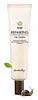
This barrier-repair eye moisturizer is formulated around Niacinamide and Squalane to strengthen the skin barrier and hydrate skin.

What's inside
What's inside
 Key Ingredients
Benefits
Concerns
Ingredients Side-by-side
Water
Skin ConditioningCetearyl Alcohol
Emollient






Macadamia Ternifolia Seed Oil
Emollient

Niacinamide
Smoothing











Butylene Glycol
Humectant
Steareth-2
EmulsifyingSqualane
Emollient
Bear Oil
Emollient
Hydrogenated Cottonseed Oil
Emollient
Steareth-21
CleansingCetyl Alcohol
Emollient
Abies Alba Seed Extract
Antimicrobial
Beta-Glucan
Skin Conditioning
Simmondsia Chinensis Seed Oil
Emollient
Panthenol
Skin Conditioning
Hydrogenated Palm Oil
Emollient
Oligopeptide-1
Skin Conditioning
Saccharomyces/Caragana Sinica Root Ferment Extract
Antioxidant
Dimethicone
Emollient
Propylene Glycol
Humectant
Lecithin
Emollient
Propylparaben
Preservative


Parfum
Masking


Water, Cetearyl Alcohol, Macadamia Ternifolia Seed Oil, Niacinamide, Butylene Glycol, Steareth-2, Squalane, Bear Oil, Hydrogenated Cottonseed Oil, Steareth-21, Cetyl Alcohol, Abies Alba Seed Extract, Beta-Glucan, Simmondsia Chinensis Seed Oil, Panthenol, Hydrogenated Palm Oil, Oligopeptide-1, Saccharomyces/Caragana Sinica Root Ferment Extract, Dimethicone, Propylene Glycol, Lecithin, Propylparaben, Parfum
Water
Skin ConditioningMyristic Acid
Cleansing
Glycerin
Humectant
Lauric Acid
Cleansing
Palmitic Acid
Emollient
Stearic Acid
Cleansing
Potassium Hydroxide
BufferingButylene Glycol
Humectant
Camellia Japonica Seed Oil
Emollient
Sodium Lauroyl Glutamate
SurfactantSorbitan Olivate
Emulsifying
Polyquaternium-10
Portulaca Oleracea Extract
Skin Conditioning
Camellia Sinensis Leaf Extract
Antimicrobial
Centella Asiatica Extract
Cleansing
Glycyrrhiza Glabra Root Extract
Bleaching
Chamomilla Recutita Flower Extract
Masking
Polygonum Cuspidatum Root Extract
Antioxidant
Rosmarinus Officinalis Leaf Extract
AntimicrobialScutellaria Baicalensis Root Extract
Astringent
Althaea Rosea Root Extract
HumectantAloe Barbadensis Leaf Extract
Emollient
Propanediol
Solvent
Hydrolyzed Pea Protein
EmollientPhytosterols
Skin Conditioning
Lecithin
Emollient
Olea Europaea Fruit Oil
Masking
Squalane
Emollient
Butyrospermum Parkii Butter
Skin Conditioning
Ceramide NP
Skin Conditioning
Zanthoxylum Piperitum Fruit Extract
Skin ConditioningPulsatilla Koreana Extract
Skin ConditioningUsnea Barbata Extract
1,2-Hexanediol
Skin Conditioning
Parfum
Masking
Water, Myristic Acid, Glycerin, Lauric Acid, Palmitic Acid, Stearic Acid, Potassium Hydroxide, Butylene Glycol, Camellia Japonica Seed Oil, Sodium Lauroyl Glutamate, Sorbitan Olivate, Polyquaternium-10, Portulaca Oleracea Extract, Camellia Sinensis Leaf Extract, Centella Asiatica Extract, Glycyrrhiza Glabra Root Extract, Chamomilla Recutita Flower Extract, Polygonum Cuspidatum Root Extract, Rosmarinus Officinalis Leaf Extract, Scutellaria Baicalensis Root Extract, Althaea Rosea Root Extract, Aloe Barbadensis Leaf Extract, Propanediol, Hydrolyzed Pea Protein, Phytosterols, Lecithin, Olea Europaea Fruit Oil, Squalane, Butyrospermum Parkii Butter, Ceramide NP, Zanthoxylum Piperitum Fruit Extract, Pulsatilla Koreana Extract, Usnea Barbata Extract, 1,2-Hexanediol, Parfum
Reviews
Ingredients Explained
These ingredients are found in both products.
Ingredients higher up in an ingredient list are typically present in a larger amount.
Butylene Glycol (or BG) is used within cosmetic products for a few different reasons:
Overall, Butylene Glycol is a safe and well-rounded ingredient that works well with other ingredients.
Though this ingredient works well with most skin types, some people with sensitive skin may experience a reaction such as allergic rashes, closed comedones, or itchiness.
Learn more about Butylene GlycolLecithin is a term for a group of substances found in the cell membranes of plants, animals, and humans. They are made up of phospholipids.
Thanks to its amphiphilic structure (water-loving head and oil-loving tail), it is a true multitasker:
It plays well with most ingredients and is typically used at 0.1-1%. However, concentrations up to 50% have been reported in moisturizers.
Learn more about LecithinParfum is a catch-all term for an ingredient or more that is used to give a scent to products.
Also called "fragrance", this ingredient can be a blend of hundreds of chemicals or plant oils. This means every product with "fragrance" or "parfum" in the ingredients list is a different mixture.
For instance, Habanolide is a proprietary trade name for a specific aroma chemical. When used as a fragrance ingredient in cosmetics, most aroma chemicals fall under the broad labeling category of “FRAGRANCE” or “PARFUM” according to EU and US regulations.
The term 'parfum' or 'fragrance' is not regulated in many countries. In many cases, it is up to the brand to define this term.
For instance, many brands choose to label themselves as "fragrance-free" because they are not using synthetic fragrances. However, their products may still contain ingredients such as essential oils that are considered a fragrance by INCI standards.
One example is Calendula flower extract. Calendula is an essential oil that still imparts a scent or 'fragrance'.
Depending on the blend, the ingredients in the mixture can cause allergies and sensitivities on the skin. Some ingredients that are known EU allergens include linalool and citronellol.
Parfum can also be used to mask or cover an unpleasant scent.
The bottom line is: not all fragrances/parfum/ingredients are created equally. If you are worried about fragrances, we recommend taking a closer look at an ingredient. And of course, we always recommend speaking with a professional.
Learn more about ParfumSqualane is the hydrogenated and shelf-stable form of squalene (a lipid that naturally occurs in human sebum).
It is an emollient and skin conditioning agent that is able to integrate seamlessly into the skin's lipid barrier without clogging pores.
This is due to how structurally similar it is to what your skin already produces.
Though it is mostly an emollient that helps soften and hydrate skin, it also has some humectant and occlusive action. Humectants help the skin retain moisture while occlusives seal it in, making squalane a triple-threat moisturizer.
Research shows it has antioxidant capabilities that help protect against stressors like UV exposure, specifically UVA induced oxidative stress. This study also found that it supports collagen biosynthesis in human dermal fibroblasts.
No clinical study has reported significant adverse effects and irritation reactions are very rare from this ingredient (even at 100% concentration).
Overall, it's a fantastic ingredient for hydration and is suitable for all skin types.
This depends on the source. Squalane can be derived from both plants and animals. Most squalane used in skincare comes from plants.
Please note: the source of squalane is only known if disclosed by the brand. We recommend reaching out to the brand if you have any questions about their squalane.
Read more about squalene with an "e".
Though squalane is often called an oil, it’s technically not one. It is a hydrocarbon, meaning it is only made of carbon and hydrogen. True oils are triglycerides and made of fatty acids and glycerol.
The term “oil-free” isn’t regulated so companies can define it however they want. Some exclude all oils, while others just avoid mineral oil or comedogenic oils.
Squalane has a comedogenic rating of 1 from the original 1972 study that tested raw ingredients under occlusion on rabbit ears. This system is not standardized or peer-reviewed, and using the raw ingredients is very different from how diluted cosmetic formulations are used on human skin.
A comedogenic rating of 1 means it is "unlikely to clog pores" according to the original rating system.
The overall formula of a product matters more than the individual ingredients on whether or not it will cause clogged pores.
Learn more about SqualaneWater. It's the most common cosmetic ingredient of all. You'll usually see it at the top of ingredient lists, meaning that it makes up the largest part of the product.
So why is it so popular? Water most often acts as a solvent - this means that it helps dissolve other ingredients into the formulation.
You'll also recognize water as that liquid we all need to stay alive. If you see this, drink a glass of water. Remember to stay hydrated!
Learn more about Water

