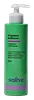
This salicylic acid gel cleanser is formulated around Salicylic Acid to clear breakouts and unclog pores.
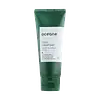
This cream cleanser uses mild cleansing ingredients, but contains alcohol that may feel drying for some.
What's inside
What's inside
 Key Ingredients
Benefits
Concerns
Ingredients Side-by-side
Water
Skin ConditioningDecyl Glucoside
Cleansing
Glycerin
Humectant


Capryloyl/Caproyl Methyl Glucamide
EmulsifyingLauroyl/Myristoyl Methyl Glucamide
EmollientCoco-Glucoside
Cleansing
Glyceryl Oleate
Emollient



Niacinamide
Smoothing









Xanthan Gum
EmulsifyingSalicylic Acid
Masking




Sclerotium Gum
Emulsion StabilisingXylitol
Humectant
Gluconolactone
Skin Conditioning
Xylityl Phosphate
Melaleuca Alternifolia Leaf Oil
Antioxidant


Sodium Polyacrylate
Absorbent
Potassium Sorbate
Preservative
Citric Acid
Buffering
Sodium Benzoate
Masking
Menthyl Ethylamido Oxalate
Skin ConditioningSodium Gluconate
Skin ConditioningCalcium Gluconate
HumectantTocopherol
Antioxidant
Hydrogenated Palm Glycerides Citrate
Emollient
Sodium Hydroxide
BufferingWater, Decyl Glucoside, Glycerin, Capryloyl/Caproyl Methyl Glucamide, Lauroyl/Myristoyl Methyl Glucamide, Coco-Glucoside, Glyceryl Oleate, Niacinamide, Xanthan Gum, Salicylic Acid, Sclerotium Gum, Xylitol, Gluconolactone, Xylityl Phosphate, Melaleuca Alternifolia Leaf Oil, Sodium Polyacrylate, Potassium Sorbate, Citric Acid, Sodium Benzoate, Menthyl Ethylamido Oxalate, Sodium Gluconate, Calcium Gluconate, Tocopherol, Hydrogenated Palm Glycerides Citrate, Sodium Hydroxide
Water
Skin ConditioningGlycerin
Humectant
Sodium Cocoyl Isethionate
Cleansing
Hydrogenated Coconut Acid
Emollient
Glycol Distearate
Emollient
Synthetic Wax
Abrasive

Polyglyceryl-3 Methylglucose Distearate
Emulsifying
Cetearyl Alcohol
Emollient

Sodium Isethionate
CleansingGlyceryl Stearate
Emollient
Coco-Betaine
Cleansing
Sodium Chloride
MaskingCentella Asiatica Root Extract
Skin Conditioning
Centella Asiatica Extract
Cleansing
Centella Asiatica Leaf Extract
Skin Conditioning
Sodium Hyaluronate
Humectant
Madecassoside
Antioxidant
Asiaticoside
Antioxidant
Asiatic Acid
Skin Conditioning
Madecassic Acid
Skin Conditioning
Gluconolactone
Skin Conditioning
Sodium Acetylated Hyaluronate
Humectant
Hydrolyzed Hyaluronic Acid
Humectant
Hydrolyzed Sodium Hyaluronate
Skin Conditioning
Hyaluronic Acid
Humectant
Hydroxypropyltrimonium Hyaluronate
Potassium Hyaluronate
Skin ConditioningSodium Hyaluronate Crosspolymer
Humectant
Pentylene Glycol
Skin Conditioning
Capryloyl Salicylic Acid
Exfoliating
Polyquaternium-67
Sodium Acetate
BufferingIsopropyl Alcohol
Solvent
1,2-Hexanediol
Skin Conditioning
Hydroxyacetophenone
Antioxidant
Disodium EDTA
Parfum
Masking
Water, Glycerin, Sodium Cocoyl Isethionate, Hydrogenated Coconut Acid, Glycol Distearate, Synthetic Wax, Polyglyceryl-3 Methylglucose Distearate, Cetearyl Alcohol, Sodium Isethionate, Glyceryl Stearate, Coco-Betaine, Sodium Chloride, Centella Asiatica Root Extract, Centella Asiatica Extract, Centella Asiatica Leaf Extract, Sodium Hyaluronate, Madecassoside, Asiaticoside, Asiatic Acid, Madecassic Acid, Gluconolactone, Sodium Acetylated Hyaluronate, Hydrolyzed Hyaluronic Acid, Hydrolyzed Sodium Hyaluronate, Hyaluronic Acid, Hydroxypropyltrimonium Hyaluronate, Potassium Hyaluronate, Sodium Hyaluronate Crosspolymer, Pentylene Glycol, Capryloyl Salicylic Acid, Polyquaternium-67, Sodium Acetate, Isopropyl Alcohol, 1,2-Hexanediol, Hydroxyacetophenone, Disodium EDTA, Parfum
Reviews
Ingredients Explained
These ingredients are found in both products.
Ingredients higher up in an ingredient list are typically present in a larger amount.
Gluconolactone is a PHA. PHAs are a great gentle alternative to traditional AHAs.
When applied, Gluconolactone has the same affect on skin as AHAs such as lactic acid. It helps dissolve the dead skin cells in the top layer of your skin. This improves texture and brightens the skin.
PHAs are more gentle than AHAs due to their larger structure. They do not penetrate as deeply as AHAs and take a longer time to dissolve dead cells. Studies show PHAs do not cause as much irritation.
Gluconolactone has some interesting properties:
In a 2004 study, Gluconolactone was found to prevent UV damage in mouse skin cells and has not been found to increase sun sensitivity. However, we still recommend wearing SPF daily.
This ingredient is is an created by reacting gluconic acid with an alcohol.
Learn more about GluconolactoneGlycerin (or glycerol) is a compound naturally found in your skin. It's a powerhouse humectant that pulls water into the stratum corneum.
Topically, glycerin does several things at once:
Your skin makes glycerin on its own (mostly from sebaceous oil breakdown) and shuttles it to your outermost layer of skin, or your epidermis, via aquaporin-3.
Aquaporin-3 is a transporter that is essential for normal skin hydration, elasticity, and repair. Interestingly, mice lacking in AQP3 have dry and less elastic skin that can be fully corrected with glycerin.
This ingredient is non-irritating, plays well with almost every ingredient, and works across all skin types. Typical use is anywhere between 3-10% but can go up to 79% in some leave-on products.
Just know very high concentrations (>40%) can feel tacky in low humidity.
Glycerin is the name for this ingredient in American English. British English uses Glycerol/Glycerine.
Learn more about GlycerinWater. It's the most common cosmetic ingredient of all. You'll usually see it at the top of ingredient lists, meaning that it makes up the largest part of the product.
So why is it so popular? Water most often acts as a solvent - this means that it helps dissolve other ingredients into the formulation.
You'll also recognize water as that liquid we all need to stay alive. If you see this, drink a glass of water. Remember to stay hydrated!
Learn more about Water

