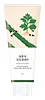
This mild gel cleanser is made to cleanse while calming and soothing your skin.
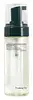
This mild foaming cleanser is made to cleanse while calming and soothing your skin.

What's inside
What's inside
 Key Ingredients
Benefits
Concerns
Ingredients Side-by-side
Water
Skin ConditioningGlycerin
Humectant


Sodium Cocoyl Glycinate
Cleansing
Sodium Lauroyl Glutamate
SurfactantButylene Glycol
Humectant
Coco-Betaine
Cleansing
Betaine
Humectant
Hydroxypropyl Starch Phosphate
Artemisia Vulgaris Extract
Skin Conditioning
Aspartic Acid
Masking
Citric Acid
Buffering


Sodium Chloride
MaskingCaprylyl Glycol
Emollient
Polyquaternium-67
Artemisia Princeps Leaf Extract
Skin ConditioningMelia Azadirachta Leaf Extract
Skin ConditioningMalt Extract
Skin Protecting1,2-Hexanediol
Skin Conditioning
Melia Azadirachta Flower Extract
Skin ConditioningCamellia Sinensis Leaf Extract
Antimicrobial



Salvia Officinalis Oil
Masking
Ethylhexylglycerin
Skin ConditioningAllantoin
Skin Conditioning
Madecassoside
Antioxidant
Panthenol
Skin Conditioning
Asiaticoside
Antioxidant
Asiatic Acid
Skin Conditioning
Water, Glycerin, Sodium Cocoyl Glycinate, Sodium Lauroyl Glutamate, Butylene Glycol, Coco-Betaine, Betaine, Hydroxypropyl Starch Phosphate, Artemisia Vulgaris Extract, Aspartic Acid, Citric Acid, Sodium Chloride, Caprylyl Glycol, Polyquaternium-67, Artemisia Princeps Leaf Extract, Melia Azadirachta Leaf Extract, Malt Extract, 1,2-Hexanediol, Melia Azadirachta Flower Extract, Camellia Sinensis Leaf Extract, Salvia Officinalis Oil, Ethylhexylglycerin, Allantoin, Madecassoside, Panthenol, Asiaticoside, Asiatic Acid
Water
Skin ConditioningDipropylene Glycol
HumectantDisodium Laureth Sulfosuccinate
CleansingDisodium Cocoyl Glutamate
Cleansing
Coco-Glucoside
Cleansing
Polyglyceryl-10 Myristate
Skin Conditioning
Camellia Japonica Flower Extract
EmollientCentella Asiatica Extract
Cleansing
Sodium Hyaluronate
Humectant
Lonicera Japonica Flower Extract
Skin ConditioningMelaleuca Alternifolia Leaf Extract
Perfuming
Salvia Officinalis Leaf Extract
CleansingCaprylic/Capric Triglyceride
Masking
Cetyl Ethylhexanoate
EmollientEthylhexyl Palmitate
Emollient


Hydrolyzed Hyaluronic Acid
Humectant
Hydroxypropyltrimonium Hyaluronate
Sodium Hyaluronate Crosspolymer
Humectant
Sodium Acetylated Hyaluronate
Humectant
Madecassoside
Antioxidant
Madecassic Acid
Skin Conditioning
Asiaticoside
Antioxidant
Asiatic Acid
Skin Conditioning
Butylene Glycol
Humectant
Citric Acid
Buffering
Caprylyl Glycol
Emollient
Hydroxyacetophenone
Antioxidant
Pentylene Glycol
Skin Conditioning
Salix Alba Bark Extract
Astringent
Polyquaternium-67
Propanediol
Solvent
Ethylhexylglycerin
Skin ConditioningDisodium EDTA
1,2-Hexanediol
Skin Conditioning
Water, Dipropylene Glycol, Disodium Laureth Sulfosuccinate, Disodium Cocoyl Glutamate, Coco-Glucoside, Polyglyceryl-10 Myristate, Camellia Japonica Flower Extract, Centella Asiatica Extract, Sodium Hyaluronate, Lonicera Japonica Flower Extract, Melaleuca Alternifolia Leaf Extract, Salvia Officinalis Leaf Extract, Caprylic/Capric Triglyceride, Cetyl Ethylhexanoate, Ethylhexyl Palmitate, Hydrolyzed Hyaluronic Acid, Hydroxypropyltrimonium Hyaluronate, Sodium Hyaluronate Crosspolymer, Sodium Acetylated Hyaluronate, Madecassoside, Madecassic Acid, Asiaticoside, Asiatic Acid, Butylene Glycol, Citric Acid, Caprylyl Glycol, Hydroxyacetophenone, Pentylene Glycol, Salix Alba Bark Extract, Polyquaternium-67, Propanediol, Ethylhexylglycerin, Disodium EDTA, 1,2-Hexanediol
Reviews
Ingredients Explained
These ingredients are found in both products.
Ingredients higher up in an ingredient list are typically present in a larger amount.
1,2-Hexanediol is a synthetic liquid and another multi-functional powerhouse.
It is a:
- Humectant, drawing moisture into the skin
- Emollient, helping to soften skin
- Solvent, dispersing and stabilizing formulas
- Preservative booster, enhancing the antimicrobial activity of other preservatives
Asiatic Acid is one of the four main actives found in Centella Asiatica. Its headline job is stimulating collagen.
Lab tests on human skin cells show Asiatic Acid tells your skin to make more collagen, the protein that keeps skin firm and bouncy.
It also calms inflammation and acts as an antioxidant so it can help skin heal faster, rebuild itself, and repair a damaged barrier.
And on naming, even though "acid" is in the name, it's nothing like an AHA or BHA exfoliant. It's a gentle firming and soothing ingredient that supports your skin barrier.
Concentration-wise, Asiatic Acid is potent at very low doses and usually shows up as a small fraction of a broader centella extract.
Analyses of centella material put Asiatic Acid reported in the range of 0.2-3% of the extract.
This ingredient is non-sensitizing and guinea pig sensitization testing also found it to be a weak sensitizer. That means the risk of acquiring contact sensitivty is quite low.
Allergic contact dermatitis does exist but is also very rare; documented cases tend to involve prolonged use on broken skin plus co-sensitization to fragrance ingredients.
Learn more about Asiatic AcidAsiaticoside comes from the super popular skin-soothing ingredient, Centella asiatica. It's the reason centella-based products have a strong reputation for repairing and calming skin, along with its sibling compound Madecassoside.
Research from 2016-2025 supports its role in:
You'll usually find this in concentrations between 0.2-5%.
Learn more about AsiaticosideButylene Glycol (or BG) is used within cosmetic products for a few different reasons:
Overall, Butylene Glycol is a safe and well-rounded ingredient that works well with other ingredients.
Though this ingredient works well with most skin types, some people with sensitive skin may experience a reaction such as allergic rashes, closed comedones, or itchiness.
Learn more about Butylene GlycolCaprylyl Glycol is a humectant, skin conditioner, emollient, and preservative booster derived from either caprylic acid or synthetically created.
Typical use levels vary from 0.3-1% as a preservative booster and go up to 2% to condition skin.
Because it is not a free-fatty acid, this ingredient is fungal acne safe (there's nothing for Malassezia to feed on).
Learn more about Caprylyl GlycolCitric Acid is an alpha hydroxy acid (AHA) naturally found in citrus fruits like oranges, lemons, and limes.
Like other AHAs, citric acid can exfoliate skin by breaking down the bonds that hold dead skin cells together. This helps reveal smoother and brighter skin underneath.
However, this exfoliating effect only happens at high concentrations (20%) which can be hard to find in cosmetic products.
Due to this, citric acid is usually included in small amounts as a pH adjuster. This helps keep products slightly more acidic and compatible with skin's natural pH.
In skincare formulas, citric acid can:
While it can provide some skin benefits, research shows lactic acid and glycolic acid are generally more effective and less irritating exfoliants.
Most citric acid used in skincare today is made by fermenting sugars (usually from molasses). This synthetic version is identical to the natural citrus form but easier to stabilize and use in formulations.
Read more about some other popular AHA's here:
Learn more about Citric AcidEthylhexylglycerin is created from glycerin. It is a multitasker ingredient that:
The CIR Expert Panel found minimal skin absorption or sensitization of any kind in a safety assessment. Though this ingredient is considered well-tolerated, a small number of cases of allergic dermatitis have been published since 2002. Just be sure to patch test if you are unsure.
Industry-reported use ranges from 8% in rinse-off products and 2% in leave-on formulations.
Learn more about EthylhexylglycerinMadecassoside is one of four active compounds found in Centella asiatica and is one of the main reasons Centella is so effective at calming irritated skin and supporting the moisture barrier.
There's a solid body of peer-reviewed research backing Madecassoside for several skin benefits. Studies have found:
Madecassoside pairs well with other hydrating or antioxidant ingredients like Ascorbic Acid or Hyaluronic Acid.
Learn more about MadecassosideWe don't have a description for Polyquaternium-67 yet.
Water. It's the most common cosmetic ingredient of all. You'll usually see it at the top of ingredient lists, meaning that it makes up the largest part of the product.
So why is it so popular? Water most often acts as a solvent - this means that it helps dissolve other ingredients into the formulation.
You'll also recognize water as that liquid we all need to stay alive. If you see this, drink a glass of water. Remember to stay hydrated!
Learn more about Water

