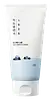
This mild gel cleanser is made to cleanse without leaving your skin tight or dry.
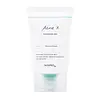
This mild gel cleanser is made to cleanse while calming and soothing your skin.


What's inside
What's inside
 Key Ingredients
Benefits
Concerns
Ingredients Side-by-side
Water
Skin ConditioningSodium Cocoyl Isethionate
Cleansing
Glycerin
Humectant


Sodium Methyl Cocoyl Taurate
Cleansing
Coco-Betaine
Cleansing
Potassium Cocoyl Glycinate
Surfactant
Potassium Benzoate
Preservative
Sodium Chloride
MaskingPolyquaternium-67
Potassium Cocoate
Emulsifying

Citric Acid
Buffering


Fructooligosaccharides
Humectant
Saccharide Hydrolysate
HumectantDisodium EDTA
Pullulan
1,2-Hexanediol
Skin Conditioning
Allantoin
Skin Conditioning

Panthenol
Skin Conditioning
Sea Water
HumectantSodium Acetate
BufferingButylene Glycol
Humectant
Chamomilla Recutita Flower Oil
Masking
Caprylic/Capric Triglyceride
Masking
Beta-Glucan
Skin Conditioning
Phosphatidylcholine
EmulsifyingHyaluronic Acid
Humectant

Ethylhexylglycerin
Skin ConditioningCeramide NP
Skin Conditioning
Glycine
Buffering
Hydrolyzed Hyaluronic Acid
Humectant
Glutamic Acid
Humectant
Serine
Masking
Sodium Hyaluronate
Humectant
Lysine
Skin ConditioningAlanine
Masking
Arginine
Masking
Threonine
Proline
Skin Conditioning
Water, Sodium Cocoyl Isethionate, Glycerin, Sodium Methyl Cocoyl Taurate, Coco-Betaine, Potassium Cocoyl Glycinate, Potassium Benzoate, Sodium Chloride, Polyquaternium-67, Potassium Cocoate, Citric Acid, Fructooligosaccharides, Saccharide Hydrolysate, Disodium EDTA, Pullulan, 1,2-Hexanediol, Allantoin, Panthenol, Sea Water, Sodium Acetate, Butylene Glycol, Chamomilla Recutita Flower Oil, Caprylic/Capric Triglyceride, Beta-Glucan, Phosphatidylcholine, Hyaluronic Acid, Ethylhexylglycerin, Ceramide NP, Glycine, Hydrolyzed Hyaluronic Acid, Glutamic Acid, Serine, Sodium Hyaluronate, Lysine, Alanine, Arginine, Threonine, Proline
Water
Skin ConditioningDisodium Capryloyl Glutamate
CleansingCocamidopropyl Betaine
Cleansing
Sodium Methyl Cocoyl Taurate
Cleansing
Sodium Cocoyl Isethionate
Cleansing
Coco-Betaine
Cleansing
Butylene Glycol
Humectant
Propanediol
Solvent
Glycerin
Humectant
Hexanediol
SolventCaprylyl Glycol
Emollient
Allantoin
Skin Conditioning
Decylene Glycol
Skin ConditioningNiacinamide
Smoothing





Carbomer
Emulsion StabilisingPanthenol
Skin Conditioning
Saccharide Isomerate
Humectant
Gluconolactone
Skin Conditioning
Dipotassium Glycyrrhizate
Humectant
Aloe Barbadensis Leaf Extract
Emollient
Escin
TonicRuscus Aculeatus Root Extract
Astringent
Ammonium Glycyrrhizate
MaskingCentella Asiatica Leaf Extract
Skin Conditioning
Hydrolyzed Yeast Protein
Skin ConditioningCalendula Officinalis Flower Extract
Masking
Aminomethyl Propanol
BufferingAllium Cepa Bulb Extract
Skin Conditioning
Chamomilla Recutita Flower Extract
Masking
Populus Tremuloides Bark Extract
AntiseborrhoeicParfum
Masking
Water, Disodium Capryloyl Glutamate, Cocamidopropyl Betaine, Sodium Methyl Cocoyl Taurate, Sodium Cocoyl Isethionate, Coco-Betaine, Butylene Glycol, Propanediol, Glycerin, Hexanediol, Caprylyl Glycol, Allantoin, Decylene Glycol, Niacinamide, Carbomer, Panthenol, Saccharide Isomerate, Gluconolactone, Dipotassium Glycyrrhizate, Aloe Barbadensis Leaf Extract, Escin, Ruscus Aculeatus Root Extract, Ammonium Glycyrrhizate, Centella Asiatica Leaf Extract, Hydrolyzed Yeast Protein, Calendula Officinalis Flower Extract, Aminomethyl Propanol, Allium Cepa Bulb Extract, Chamomilla Recutita Flower Extract, Populus Tremuloides Bark Extract, Parfum
Reviews
Ingredients Explained
These ingredients are found in both products.
Ingredients higher up in an ingredient list are typically present in a larger amount.
Allantoin is a soothing ingredient known for its protective and moisturizing properties; it's basically a quiet workhorse ingredient you can find in a huge range of cosmetics.
Though it can be derived from the comfrey plant, allantoin is produced synthetically for cosmetic products to ensure purity.
Research shows it can encourage your skin cells to turn over and renew by stimulating keratinocyte and fibroblast proliferation.
It also has mild keratolytic properties to help loosen and shed dead skin cells without being harsh.
Studies also suggest allantoin can help calm inflammation by dialing down some of the chemical signals your skin sends out when it is irritated.
This ingredient is typically used in the 0.1-0.5% range, and the FDA recognizes it as a skin protectant in OTC products up to 2%.
Overall, allantoin is a wonderful addition to most routines; it is stable across a wide pH range (~4-8), works well with other ingredients, and is considered non-sensitizing/non-irritating.
Fun fact: Allantoin is naturally occurring in comfrey root, beets, chamomile, and wheat sprouts. Our bodies even produce it as a byproduct of uric acid metabolism.
Learn more about AllantoinButylene Glycol (or BG) is used within cosmetic products for a few different reasons:
Overall, Butylene Glycol is a safe and well-rounded ingredient that works well with other ingredients.
Though this ingredient works well with most skin types, some people with sensitive skin may experience a reaction such as allergic rashes, closed comedones, or itchiness.
Learn more about Butylene GlycolCoco-Betaine is the natural version of Cocamidopropyl Betaine. It is often derived from coconuts.
Coco-Betaine is a surfactant, meaning it helps remove dirt and oil from the skin.
Glycerin (or glycerol) is a compound naturally found in your skin. It's a powerhouse humectant that pulls water into the stratum corneum.
Topically, glycerin does several things at once:
Your skin makes glycerin on its own (mostly from sebaceous oil breakdown) and shuttles it to your outermost layer of skin, or your epidermis, via aquaporin-3.
Aquaporin-3 is a transporter that is essential for normal skin hydration, elasticity, and repair. Interestingly, mice lacking in AQP3 have dry and less elastic skin that can be fully corrected with glycerin.
This ingredient is non-irritating, plays well with almost every ingredient, and works across all skin types. Typical use is anywhere between 3-10% but can go up to 79% in some leave-on products.
Just know very high concentrations (>40%) can feel tacky in low humidity.
Glycerin is the name for this ingredient in American English. British English uses Glycerol/Glycerine.
Learn more about GlycerinPanthenol is a common ingredient that helps hydrate and soothe the skin. It is found naturally in our skin and hair.
There are two forms of panthenol: D and L.
D-panthenol is also known as dexpanthenol. Most cosmetics use dexpanthenol or a mixture of D and L-panthenol.
Panthenol is famous due to its ability to go deeper into the skin's layers. Using this ingredient has numerous pros (and no cons):
Like hyaluronic acid, panthenol is a humectant. Humectants are able to bind and hold large amounts of water to keep skin hydrated.
This ingredient works well for wound healing. It works by increasing tissue in the wound and helps close open wounds.
Once oxidized, panthenol converts to pantothenic acid. Panthothenic acid is found in all living cells.
This ingredient is also referred to as pro-vitamin B5.
Learn more about PanthenolSodium cocoyl isethionate is a natural ingredient from coconut oil. It is an ultra gentle cleanser that gives a nice foam without drying the skin or impacting the skin barrier.
The amount of foam created depends on the amount of sodium cocoyl isethionate used in the product.
This ingredient also helps improve the spreadability of a product.
This ingredient hasn’t been shown in studies to feed fungal acne yeast.
Learn more about Sodium Cocoyl IsethionateSodium Methyl Cocoyl Taurate is a gentle, coconut-derived cleansing surfactant. It's most commonly found in "sulfate-free" cleansers.
As a taurate, it belongs to a class of anionic surfactants prized for being efficient at cleansing without harshness, good performance in hard water, stability across a wide pH range, and easily biodegradable.
It is able to lift away oil and grime and make a nice lather without stripping your skin, so it's a good pick for sensitive skin.
Safety-wise, it has a good record. The CIR Expert Panel has concluded this ingredient to be safe in cosmetics and concentrations go up to 11% in leave-on products or 13% in rinse-off products.
Despite being derived from coconut oil, this ingredient is fungal acne safe. It's a water-soluble surfactant with no fatty oils or esters left intact on skin for the Malassezia yeast to feed.
Learn more about Sodium Methyl Cocoyl TaurateWater. It's the most common cosmetic ingredient of all. You'll usually see it at the top of ingredient lists, meaning that it makes up the largest part of the product.
So why is it so popular? Water most often acts as a solvent - this means that it helps dissolve other ingredients into the formulation.
You'll also recognize water as that liquid we all need to stay alive. If you see this, drink a glass of water. Remember to stay hydrated!
Learn more about Water

