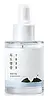
This hydrating ampoule is formulated around Hydrolyzed Hyaluronic Acid and Panthenol to hydrate skin and strengthen the skin barrier.
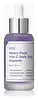
This brightening serum is formulated around Niacinamide and Tranexamic Acid to fade the look of dark spots and brighten dull-looking skin.

What's inside
What's inside
 Key Ingredients
Benefits
Concerns
No concerns
Ingredients Side-by-side
Water
Skin ConditioningButylene Glycol
Humectant

Glycerin
Humectant
Dipropylene Glycol
HumectantPropanediol
Solvent
1,2-Hexanediol
Skin Conditioning
Sea Water
HumectantHydrolyzed Hyaluronic Acid
Humectant

Hydrolyzed Collagen
Emollient
Panthenol
Skin Conditioning

Chondrus Crispus Extract
Skin Conditioning
Saccharum Officinarum Extract
MoisturisingTromethamine
BufferingEthylhexylglycerin
Skin ConditioningCaprylic/Capric Triglyceride
Masking
Betaine
Humectant
Dipotassium Glycyrrhizate
Humectant
Glyceryl Glucoside
Humectant
Hydrogenated Lecithin
Emulsifying
Ceramide NP
Skin Conditioning
Tocopherol
Antioxidant



Carbomer
Emulsion StabilisingXanthan Gum
EmulsifyingWater, Butylene Glycol, Glycerin, Dipropylene Glycol, Propanediol, 1,2-Hexanediol, Sea Water, Hydrolyzed Hyaluronic Acid, Hydrolyzed Collagen, Panthenol, Chondrus Crispus Extract, Saccharum Officinarum Extract, Tromethamine, Ethylhexylglycerin, Caprylic/Capric Triglyceride, Betaine, Dipotassium Glycyrrhizate, Glyceryl Glucoside, Hydrogenated Lecithin, Ceramide NP, Tocopherol, Carbomer, Xanthan Gum
Vitis Vinifera Fruit Water
Skin ConditioningPropanediol
Solvent
1,2-Hexanediol
Skin Conditioning
Vitis Vinifera Fruit Extract
Skin ConditioningNiacinamide
Smoothing




Caprylic/Capric Triglyceride
Masking
Tranexamic Acid
Astringent
Butylene Glycol
Humectant
Acrylates/C10-30 Alkyl Acrylate Crosspolymer
Emulsion StabilisingTromethamine
BufferingMelia Azadirachta Flower Extract
Skin ConditioningXanthan Gum
EmulsifyingCoccinia Indica Fruit Extract
Skin Conditioning
Water
Skin Conditioning3-O-Ethyl Ascorbic Acid
Skin Conditioning
Hydrogenated Poly(C6-20 Olefin)
Abrasive
Adenosine
Skin Conditioning
Disodium EDTA
Allantoin
Skin Conditioning
Hdi/Trimethylol Hexyllactone Crosspolymer
Vitis Vinifera Seed Oil
Emollient


Collagen
Moisturising
Leuconostoc/Radish Root Ferment Filtrate
Antimicrobial
Fragaria Chiloensis Fruit Extract
Skin Conditioning
Vaccinium Angustifolium Fruit Extract
Skin Protecting
Sodium Hyaluronate
Humectant
Arctostaphylos Uva-Ursi Leaf Extract
Skin Conditioning
Rubus Fruticosus Fruit Extract
AstringentCitric Acid
Buffering
Lavandula Angustifolia Flower Extract
Cleansing

Resveratrol
Antioxidant
Borago Officinalis Extract
Emollient
Centaurea Cyanus Flower Extract
Astringent
Salvia Sclarea Extract
AntiseborrhoeicHyacinthus Orientalis Extract
Skin ConditioningChamomilla Recutita Flower Extract
Masking
Vincetoxicum Atratum Extract
Skin ConditioningMadecassoside
Antioxidant
Asiaticoside
Antioxidant
Ethylhexylglycerin
Skin ConditioningHyaluronic Acid
Humectant
Hydrolyzed Hyaluronic Acid
Humectant
Hydroxypropyltrimonium Hyaluronate
Hydrolyzed Sodium Hyaluronate
Skin Conditioning
Potassium Hyaluronate
Skin ConditioningPentylene Glycol
Skin Conditioning
Madecassic Acid
Skin Conditioning
Sodium Hyaluronate Crosspolymer
Humectant
Asiatic Acid
Skin Conditioning
Sodium Acetylated Hyaluronate
Humectant
Vitis Vinifera Fruit Water, Propanediol, 1,2-Hexanediol, Vitis Vinifera Fruit Extract, Niacinamide, Caprylic/Capric Triglyceride, Tranexamic Acid, Butylene Glycol, Acrylates/C10-30 Alkyl Acrylate Crosspolymer, Tromethamine, Melia Azadirachta Flower Extract, Xanthan Gum, Coccinia Indica Fruit Extract, Water, 3-O-Ethyl Ascorbic Acid, Hydrogenated Poly(C6-20 Olefin), Adenosine, Disodium EDTA, Allantoin, Hdi/Trimethylol Hexyllactone Crosspolymer, Vitis Vinifera Seed Oil, Collagen, Leuconostoc/Radish Root Ferment Filtrate, Fragaria Chiloensis Fruit Extract, Vaccinium Angustifolium Fruit Extract, Sodium Hyaluronate, Arctostaphylos Uva-Ursi Leaf Extract, Rubus Fruticosus Fruit Extract, Citric Acid, Lavandula Angustifolia Flower Extract, Resveratrol, Borago Officinalis Extract, Centaurea Cyanus Flower Extract, Salvia Sclarea Extract, Hyacinthus Orientalis Extract, Chamomilla Recutita Flower Extract, Vincetoxicum Atratum Extract, Madecassoside, Asiaticoside, Ethylhexylglycerin, Hyaluronic Acid, Hydrolyzed Hyaluronic Acid, Hydroxypropyltrimonium Hyaluronate, Hydrolyzed Sodium Hyaluronate, Potassium Hyaluronate, Pentylene Glycol, Madecassic Acid, Sodium Hyaluronate Crosspolymer, Asiatic Acid, Sodium Acetylated Hyaluronate
Reviews
Ingredients Explained
These ingredients are found in both products.
Ingredients higher up in an ingredient list are typically present in a larger amount.
1,2-Hexanediol is a synthetic liquid and another multi-functional powerhouse.
It is a:
- Humectant, drawing moisture into the skin
- Emollient, helping to soften skin
- Solvent, dispersing and stabilizing formulas
- Preservative booster, enhancing the antimicrobial activity of other preservatives
Butylene Glycol (or BG) is used within cosmetic products for a few different reasons:
Overall, Butylene Glycol is a safe and well-rounded ingredient that works well with other ingredients.
Though this ingredient works well with most skin types, some people with sensitive skin may experience a reaction such as allergic rashes, closed comedones, or itchiness.
Learn more about Butylene GlycolCaprylic/Capric Triglyceride (aka MCT Oil) is a lightweight emollient, solvent, and texture enhancer. It is considered a skin-softener by helping to prevent moisture loss.
Though it behaves like an oil, it is not technically one due to its chemical composition. One perk of this ingredient is that it is very stable, resistant to oxidation, and unlikely to go rancid.
In practice, that translates to a long shelf life and a consistently elegant skin feel.
While there is an assumption Caprylic Triglyceride can clog pores due to it being derived from coconut oil, there is no research supporting this. Just patch test if you have concerns.
Fractionated coconut oil and MCT Oil are both listed as Caprylic/Capric Triglyceride according to INCI. This is because INCI names are based on the ingredient’s final chemical composition and not its marketing name or source.
This ingredient is treated as the gold standard fungal acne safe oil. Even though it is coconut derived, the problematic lauric acid is stripped out.
This leaves just caprylic (C8) and capric (C10) acid. These chain lengths actually trend antifungal; a 2020 study found caprylic acid was enough to disrupt Malassezia furfur cell membrane, with a caprylic acid derivative damaging membrane structures at concentrations as low as 0.2%.
Learn more about Caprylic/Capric TriglycerideEthylhexylglycerin is created from glycerin. It is a multitasker ingredient that:
The CIR Expert Panel found minimal skin absorption or sensitization of any kind in a safety assessment. Though this ingredient is considered well-tolerated, a small number of cases of allergic dermatitis have been published since 2002. Just be sure to patch test if you are unsure.
Industry-reported use ranges from 8% in rinse-off products and 2% in leave-on formulations.
Learn more about EthylhexylglycerinHydrolyzed Hyaluronic Acid is hyaluronic acid (HA) that is broken down into lower molecular weight fragments.
It's a humectant that pulls and holds water in the skin to help with hydration, plumpness, and reduce transepidermal water loss.
Because hydrolyzed hyaluronic acid is smaller in size, it can slip past your outermost layer of skin more easily than full-sized HA.
Most formulations will combine all sizes to get the best of both worlds.
Typical usage levels range from 0.01-1%. Any percentage higher than 2% might become goopy and tacky.
Learn more about Hydrolyzed Hyaluronic AcidPropanediol is an all-star ingredient. It softens, hydrates, and smooths the skin.
It’s often used to:
Propanediol is not likely to cause sensitivity and considered safe to use. It is derived from corn or petroleum with a clear color and no scent.
Learn more about PropanediolTromethamine (aka THAM) is a synthetic amino acid that shows up in skincare as a helper ingredient.
It functions as a pH adjuster to help neutralize acidic ingredients and set a formula's pH to the right spot.
This matters a lot because a lot of actives (like vitamin C) needs a specific pH to work well and feel comfortable on skin.
Concentration use ranges from 0.1-1.0% depending on the formula.
Learn more about TromethamineWater. It's the most common cosmetic ingredient of all. You'll usually see it at the top of ingredient lists, meaning that it makes up the largest part of the product.
So why is it so popular? Water most often acts as a solvent - this means that it helps dissolve other ingredients into the formulation.
You'll also recognize water as that liquid we all need to stay alive. If you see this, drink a glass of water. Remember to stay hydrated!
Learn more about WaterXanthan gum is used as a stabilizer and thickener within cosmetic products. It helps give products a sticky, thick feeling - preventing them from being too runny.
On the technical side of things, xanthan gum is a polysaccharide - a combination consisting of multiple sugar molecules bonded together.
Xanthan gum is a pretty common and great ingredient. It is a natural, non-toxic, non-irritating ingredient that is also commonly used in food products.
Learn more about Xanthan Gum

