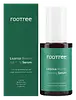
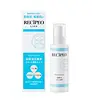
This calming serum is formulated around Centella Asiatica Extract and Dipotassium Glycyrrhizate to calm redness and fade the look of dark spots.


What's inside
What's inside
 Key Ingredients
Benefits
Concerns
Ingredients Side-by-side
Water
Skin ConditioningButylene Glycol
Humectant

Propanediol
Solvent
1,2-Hexanediol
Skin Conditioning
Methyl Gluceth-20
Humectant
Cetearyl Alcohol
Emollient






Centella Asiatica Extract
Cleansing




Dipotassium Glycyrrhizate
Humectant
Lactobacillus Ferment Lysate
Skin Conditioning
Bifida Ferment Lysate
Skin Conditioning
Medicago Sativa Extract
TonicBrassica Oleracea Capitata Leaf Extract
Skin ConditioningBrassica Oleracea Italica Extract
AstringentTranexamic Acid
Astringent


Centella Asiatica Callus Extracellular Vesicles
Brassica Campestris Extract
Skin ConditioningRaphanus Sativus Seed Extract
Skin ConditioningTriticum Vulgare Sprout Extract
Skin ConditioningStreptococcus Thermophilus Ferment
Humectant
Ectoin
Skin Conditioning
Allantoin
Skin Conditioning
Sodium Hyaluronate
Humectant
Hyaluronic Acid
Humectant
Hydrolyzed Hyaluronic Acid
Humectant
Hydrolyzed Sodium Hyaluronate
Skin Conditioning
Hydroxypropyltrimonium Hyaluronate
Potassium Hyaluronate
Skin ConditioningAsiatic Acid
Skin Conditioning
Asiaticoside
Antioxidant
Glycereth-26
Humectant
Sodium Hyaluronate Crosspolymer
Humectant
Sodium Acetylated Hyaluronate
Humectant
Ceramide NP
Skin Conditioning
Madecassic Acid
Skin Conditioning
Madecassoside
Antioxidant
Glycerin
Humectant
Cetearyl Glucoside
Emulsifying
Ammonium Acryloyldimethyltaurate/Vp Copolymer
Glycyrrhiza Uralensis Extract 0.05%
EmollientMalt Extract
Skin ProtectingGlyceryl Acrylate/Acrylic Acid Copolymer
HumectantSodium Stearoyl Glutamate
CleansingSorbitan Olivate
Emulsifying
Carbomer
Emulsion StabilisingTromethamine
BufferingDisodium EDTA
ChelatingEthylhexylglycerin
Skin ConditioningHydrogenated Lecithin
Emulsifying
Parfum
Masking


Water, Butylene Glycol, Propanediol, 1,2-Hexanediol, Methyl Gluceth-20, Cetearyl Alcohol, Centella Asiatica Extract, Dipotassium Glycyrrhizate, Lactobacillus Ferment Lysate, Bifida Ferment Lysate, Medicago Sativa Extract, Brassica Oleracea Capitata Leaf Extract, Brassica Oleracea Italica Extract, Tranexamic Acid, Centella Asiatica Callus Extracellular Vesicles, Brassica Campestris Extract, Raphanus Sativus Seed Extract, Triticum Vulgare Sprout Extract, Streptococcus Thermophilus Ferment, Ectoin, Allantoin, Sodium Hyaluronate, Hyaluronic Acid, Hydrolyzed Hyaluronic Acid, Hydrolyzed Sodium Hyaluronate, Hydroxypropyltrimonium Hyaluronate, Potassium Hyaluronate, Asiatic Acid, Asiaticoside, Glycereth-26, Sodium Hyaluronate Crosspolymer, Sodium Acetylated Hyaluronate, Ceramide NP, Madecassic Acid, Madecassoside, Glycerin, Cetearyl Glucoside, Ammonium Acryloyldimethyltaurate/Vp Copolymer, Glycyrrhiza Uralensis Extract 0.05%, Malt Extract, Glyceryl Acrylate/Acrylic Acid Copolymer, Sodium Stearoyl Glutamate, Sorbitan Olivate, Carbomer, Tromethamine, Disodium EDTA, Ethylhexylglycerin, Hydrogenated Lecithin, Parfum
Water
Skin ConditioningButylene Glycol
Humectant
PPG-10 Methyl Glucose Ether
Skin ConditioningTriethylhexanoin
MaskingHydrogenated Polydecene
EmollientGlycerin
Humectant
Arginine
Masking
Ectoin
Skin Conditioning
Scutellaria Baicalensis Root Extract
Astringent
Chamomilla Recutita Flower Extract
Masking
Glycosyl Trehalose
Emulsion StabilisingGlycine
Buffering
Tremella Fuciformis Extract
Humectant
Serine
Masking
Theanine
EmollientTocopherol
Antioxidant
Threonine
Sodium Hyaluronate
Humectant
Sodium Polyaspartate
HumectantDisodium EDTA
ChelatingAcrylates/C10-30 Alkyl Acrylate Crosspolymer
Emulsion StabilisingIsostearic Acid
Cleansing
Xanthan Gum
EmulsifyingSqualane
Emollient
Ceramide Ng
Skin Conditioning
Phytosteryl/Octyldodecyl Lauroyl Glutamate
Skin ConditioningHydrogenated Starch Hydrolysate
HumectantSodium Hydroxide
BufferingHydrogenated Lecithin
Emulsifying
Phenoxyethanol
Preservative
Water, Butylene Glycol, PPG-10 Methyl Glucose Ether, Triethylhexanoin, Hydrogenated Polydecene, Glycerin, Arginine, Ectoin, Scutellaria Baicalensis Root Extract, Chamomilla Recutita Flower Extract, Glycosyl Trehalose, Glycine, Tremella Fuciformis Extract, Serine, Theanine, Tocopherol, Threonine, Sodium Hyaluronate, Sodium Polyaspartate, Disodium EDTA, Acrylates/C10-30 Alkyl Acrylate Crosspolymer, Isostearic Acid, Xanthan Gum, Squalane, Ceramide Ng, Phytosteryl/Octyldodecyl Lauroyl Glutamate, Hydrogenated Starch Hydrolysate, Sodium Hydroxide, Hydrogenated Lecithin, Phenoxyethanol
Ingredients Explained
These ingredients are found in both products.
Ingredients higher up in an ingredient list are typically present in a larger amount.
Butylene Glycol (or BG) is used within cosmetic products for a few different reasons:
Overall, Butylene Glycol is a safe and well-rounded ingredient that works well with other ingredients.
Though this ingredient works well with most skin types, some people with sensitive skin may experience a reaction such as allergic rashes, closed comedones, or itchiness.
Learn more about Butylene GlycolDisodium EDTA is a chelating agent. It grabs onto and deactivates metal ions that sneak into your products from water, packaging, or air.
This ingredient mainly works behind the scenes and helps with:
On top of that, this ingredient can counteract the effects of hard water by binding to the minerals in it.
One thing worth knowing is that Disodium EDTA has been shown to be a mild penetration enhancer. It can help other ingredients absorb into skin more effectively which can be a double-edged sword (great for actives, but can also make the active too strong if you have sensitive skin).
Clinical patch testing showed no significant skin irritation at typical use concentrations and minimal dermal absorption.
You'll most likely see this ingredient near the end of an ingredient list. It's typically found in concentrations less than 1%.
Learn more about Disodium EDTAEctoin is a compound found naturally in some species of bacteria. It can be synthetically created for skincare use.
This ingredient is an osmolyte; Osmolytes help organisms survive osmotic shock (it protects them from extreme conditions). It does this by influencing the properties of biological fluids within cells.
When applied to the skin, ectoin helps bind water molecules to protect our skin. The water forms a sort of armor for the parts of our skin cells, enzymes, proteins, and more.
Besides this, ectoin has many uses in skincare:
A study from 2004 found ectoin to counteract the damage from UV-A exposure at different cell levels. It has also been shown to protect skin against both UV-A, UV-B rays, infrared light, and visible light.
Studies show ectoin to have dual-action pollution protection: first, it protects our skin from further pollution damage. Second, it helps repair damage from pollution.
In fact, ectoin has been shown to help with:
Fun fact: In the EU, ectoin is used in inhalation medication as an anti-pollution ingredient.
Ectoin is a highly stable ingredient. It has a wide pH range of 1-9. Light, oxygen, and temperature do not affect this ingredient.
The chemical name for this ingredient is Tetrahydromethylpyrimidine Carboxylic Acid.
Learn more about EctoinGlycerin (or glycerol) is a compound naturally found in your skin. It's a powerhouse humectant that pulls water into the stratum corneum.
Topically, glycerin does several things at once:
Your skin makes glycerin on its own (mostly from sebaceous oil breakdown) and shuttles it to your outermost layer of skin, or your epidermis, via aquaporin-3.
Aquaporin-3 is a transporter that is essential for normal skin hydration, elasticity, and repair. Interestingly, mice lacking in AQP3 have dry and less elastic skin that can be fully corrected with glycerin.
This ingredient is non-irritating, plays well with almost every ingredient, and works across all skin types. Typical use is anywhere between 3-10% but can go up to 79% in some leave-on products.
Just know very high concentrations (>40%) can feel tacky in low humidity.
Glycerin is the name for this ingredient in American English. British English uses Glycerol/Glycerine.
Learn more about GlycerinHydrogenated Lecithin is a more stable version of lecithin.
It's made by taking lecithin (a phospholipid commonly found in soybeans and egg yolks) and hydrogenating it. This just means the unsaturated fatty acids are turned into saturated ones so they don't go bad as easily.
This ingredient is an emollient, emulsifier, and penetration enhancer. As an emollient, it helps soften and hydrate skin by trapping moisture within. As an emulsifier, it prevents oil and water ingredients from separating.
Hydrogenated Lecithin can form tiny spherical structures made of phospholipid bilayers called liposomes. These liposomes are able to capture compounds inside their structure and deliver them through the skin barrier.
Because phospholipids are a natural component of our cell membranes, this ingredient is inherently compatible with skin.
A 2021 study found lecithin-based surfactants were less harsh and more tolerable comared to Sodium Lauryl Sulfate (SLS).
Learn more about Hydrogenated LecithinSodium Hyaluronate is the salt form of hyaluronic acid. It is a long sugar chain that is naturally found in your skin, joints, and connective tissue that maintains hydration and elasticity.
In skincare, it works as a humectant. It pulls water from the environment and deeper layers of skin and binds it to the surface.
Interestingly, the size of the molecule affects its behavior:
Some clinical evidence links low molecular weight versions to improved wrinkle depth, elasticity, anti-inflammatory effects, and barrier repair.
Many serums use a blend of both weights so you can get surface hydration plus longer-lasting and deeper effects.
You'll typically see concentrations between 0.1-2% for this ingredient.
Learn more about Sodium HyaluronateWater. It's the most common cosmetic ingredient of all. You'll usually see it at the top of ingredient lists, meaning that it makes up the largest part of the product.
So why is it so popular? Water most often acts as a solvent - this means that it helps dissolve other ingredients into the formulation.
You'll also recognize water as that liquid we all need to stay alive. If you see this, drink a glass of water. Remember to stay hydrated!
Learn more about Water

