

What's inside
What's inside
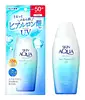 Key Ingredients
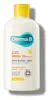
Benefits
Concerns
Ingredients Side-by-side
Water
Skin ConditioningEthylhexyl Methoxycinnamate
UV Absorber


Alcohol Denat.
Antimicrobial



Butylene Glycol
Humectant

Sodium Hyaluronate
Humectant


Ethylhexyl Triazone
UV Absorber
Triethanolamine
BufferingXanthan Gum
EmulsifyingHydrolyzed Sodium Hyaluronate
Skin Conditioning

Silica
Abrasive


Polyglyceryl-10 Pentaisostearate
Emollient
Acrylates/C10-30 Alkyl Acrylate Crosspolymer
Emulsion StabilisingHydrolyzed Collagen
Emollient
Glycerin
Humectant
Sodium Acetylated Hyaluronate
Humectant
Diethylamino Hydroxybenzoyl Hexyl Benzoate
UV Filter
Bis-Ethylhexyloxyphenol Methoxyphenyl Triazine
Skin Conditioning
Disodium EDTA
Diethoxyethyl Succinate
SolventArginine
Masking
Polystyrene
Bis-PEG-18 Methyl Ether Dimethyl Silane
EmollientIsononyl Isononanoate
EmollientPhenoxyethanol
Preservative
Polyvinyl Alcohol
Glycol Dimethacrylate Crosspolymer
Methylparaben
Preservative
Hydroxypropyltrimonium Hyaluronate
Dipropylene Glycol
HumectantWater, Ethylhexyl Methoxycinnamate, Alcohol Denat., Butylene Glycol, Sodium Hyaluronate, Ethylhexyl Triazone, Triethanolamine, Xanthan Gum, Hydrolyzed Sodium Hyaluronate, Silica, Polyglyceryl-10 Pentaisostearate, Acrylates/C10-30 Alkyl Acrylate Crosspolymer, Hydrolyzed Collagen, Glycerin, Sodium Acetylated Hyaluronate, Diethylamino Hydroxybenzoyl Hexyl Benzoate, Bis-Ethylhexyloxyphenol Methoxyphenyl Triazine, Disodium EDTA, Diethoxyethyl Succinate, Arginine, Polystyrene, Bis-PEG-18 Methyl Ether Dimethyl Silane, Isononyl Isononanoate, Phenoxyethanol, Polyvinyl Alcohol, Glycol Dimethacrylate Crosspolymer, Methylparaben, Hydroxypropyltrimonium Hyaluronate, Dipropylene Glycol
Water
Skin ConditioningHomosalate
Skin Conditioning
Ethylhexyl Salicylate
UV Absorber
Butyl Methoxydibenzoylmethane
UV Absorber
Phenylbenzimidazole Sulfonic Acid
UV Absorber
C12-15 Alkyl Benzoate
AntimicrobialDipropylene Glycol
HumectantCetearyl Alcohol
Emollient



Glyceryl Stearate
Emollient
Octocrylene
UV Absorber
Cetearyl Olivate
Myristoyl/Palmitoyl Oxostearamide/Arachamide Mea
Skin ConditioningOpuntia Coccinellifera Fruit Extract
Skin ConditioningCucumis Sativus Fruit Extract
Emollient
Aloe Barbadensis Leaf Juice
Skin Conditioning
Nymphaea Alba Flower Extract
Skin ConditioningMadecassoside
Antioxidant

Anthemis Nobilis Flower Extract
Masking
Polysorbate 60
Emulsifying
Sorbitan Olivate
Emulsifying
Polyacrylate-13
Dimethicone
Emollient
Sodium Hydroxide
BufferingPEG-100 Stearate
Surfactant
Sorbitan Stearate
Emulsifying
Polyisobutene
Tocopheryl Acetate
Antioxidant

Polysorbate 20
Emulsifying
Sorbitan Isostearate
Emulsifying
Propylene Glycol
Humectant
Butylene Glycol
Humectant
Disodium EDTA
Caprylyl Glycol
Emollient
Ethylhexylglycerin
Skin Conditioning1,2-Hexanediol
Skin Conditioning
Parfum
Masking
Water, Homosalate, Ethylhexyl Salicylate, Butyl Methoxydibenzoylmethane, Phenylbenzimidazole Sulfonic Acid, C12-15 Alkyl Benzoate, Dipropylene Glycol, Cetearyl Alcohol, Glyceryl Stearate, Octocrylene, Cetearyl Olivate, Myristoyl/Palmitoyl Oxostearamide/Arachamide Mea, Opuntia Coccinellifera Fruit Extract, Cucumis Sativus Fruit Extract, Aloe Barbadensis Leaf Juice, Nymphaea Alba Flower Extract, Madecassoside, Anthemis Nobilis Flower Extract, Polysorbate 60, Sorbitan Olivate, Polyacrylate-13, Dimethicone, Sodium Hydroxide, PEG-100 Stearate, Sorbitan Stearate, Polyisobutene, Tocopheryl Acetate, Polysorbate 20, Sorbitan Isostearate, Propylene Glycol, Butylene Glycol, Disodium EDTA, Caprylyl Glycol, Ethylhexylglycerin, 1,2-Hexanediol, Parfum
Reviews
Ingredients Explained
These ingredients are found in both products.
Ingredients higher up in an ingredient list are typically present in a larger amount.
Butylene Glycol (or BG) is used within cosmetic products for a few different reasons:
Overall, Butylene Glycol is a safe and well-rounded ingredient that works well with other ingredients.
Though this ingredient works well with most skin types, some people with sensitive skin may experience a reaction such as allergic rashes, closed comedones, or itchiness.
Learn more about Butylene GlycolDipropylene Glycol is a synthetically created humectant, stabilizer, and solvent.
This ingredient helps:
Dipropylene glycol is technically an alcohol, but it belongs to the glycol family (often considered part of the ‘good’ alcohols). This means it is hydrating and gentle on skin unlike drying solvent alcohols like denatured alcohol.
As a masking agent, Dipropylene Glycol can be used to cover the smell of other ingredients. However, it does not have a scent.
Studies show Dipropylene Glycol is considered safe to use in skincare.
Learn more about Dipropylene GlycolDisodium EDTA is a chelating agent. It grabs onto and deactivates metal ions that sneak into your products from water, packaging, or air.
This ingredient mainly works behind the scenes and helps with:
On top of that, this ingredient can counteract the effects of hard water by binding to the minerals in it.
One thing worth knowing is that Disodium EDTA has been shown to be a mild penetration enhancer. It can help other ingredients absorb into skin more effectively which can be a double-edged sword (great for actives, but can also make the active too strong if you have sensitive skin).
Clinical patch testing showed no significant skin irritation at typical use concentrations and minimal dermal absorption.
You'll most likely see this ingredient near the end of an ingredient list. It's typically found in concentrations less than 1%.
Learn more about Disodium EDTAWater. It's the most common cosmetic ingredient of all. You'll usually see it at the top of ingredient lists, meaning that it makes up the largest part of the product.
So why is it so popular? Water most often acts as a solvent - this means that it helps dissolve other ingredients into the formulation.
You'll also recognize water as that liquid we all need to stay alive. If you see this, drink a glass of water. Remember to stay hydrated!
Learn more about Water
