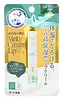
This barrier-repair lip moisturizer is formulated around Squalane and Petrolatum to strengthen the lip barrier and hydrate lips.
This lip moisturizer is formulated around Petrolatum and Squalene to hydrate lips.

What's inside
What's inside
 Key Ingredients
Benefits
Concerns
Ingredients Side-by-side
Squalane
Emollient


Petrolatum
Emollient


Paraffin
Skin Conditioning
Paraffinum Liquidum
Emollient
Hydrogenated Polyisobutene
EmollientDiisostearyl Malate
EmollientEthylhexyl Methoxycinnamate
UV Absorber

Dipentaerythrityl Hexahydroxystearate/Hexastearate/Hexarosinate
Skin ConditioningMicrocrystalline Wax
Emulsion StabilisingButyrospermum Parkii Butter
Skin Conditioning



Polyglyceryl-2 Diisostearate
Emulsifying
Phytosteryl Macadamiate
Skin Conditioning
Ceramide NP
Skin Conditioning


Ceramide Ns
Skin Conditioning
Ceramide AP
Skin Conditioning
Honey
Humectant
Persea Gratissima Oil
Skin Conditioning
Macadamia Ternifolia Seed Oil
Emollient
Olea Europaea Fruit Oil
Masking
Simmondsia Chinensis Seed Oil
Emollient
Butyl Methoxydibenzoylmethane
UV Absorber
Dipropylene Glycol
HumectantVp/Eicosene Copolymer
Polyglyceryl-4 Oleate
Emulsifying
Cholesterol
Emollient
Argania Spinosa Kernel Oil
Emollient

Tocopheryl Acetate
Antioxidant


Synthetic Wax
Abrasive
Iron Oxides
Water
Skin ConditioningHydrogenated Lecithin
Emulsifying
Glycine Soja Sterols
Emollient
Isopropyl Titanium Triisostearate
Emollient
Butylene Glycol
Humectant
Royal Jelly Extract
Skin Conditioning
Camellia Sinensis Leaf Extract
Antimicrobial
Epigallocatechin Gallate
Antioxidant
Parfum
Masking
Ultramarines
CI 19140
Cosmetic ColorantSqualane, Petrolatum, Paraffin, Paraffinum Liquidum, Hydrogenated Polyisobutene, Diisostearyl Malate, Ethylhexyl Methoxycinnamate, Dipentaerythrityl Hexahydroxystearate/Hexastearate/Hexarosinate, Microcrystalline Wax, Butyrospermum Parkii Butter, Polyglyceryl-2 Diisostearate, Phytosteryl Macadamiate, Ceramide NP, Ceramide Ns, Ceramide AP, Honey, Persea Gratissima Oil, Macadamia Ternifolia Seed Oil, Olea Europaea Fruit Oil, Simmondsia Chinensis Seed Oil, Butyl Methoxydibenzoylmethane, Dipropylene Glycol, Vp/Eicosene Copolymer, Polyglyceryl-4 Oleate, Cholesterol, Argania Spinosa Kernel Oil, Tocopheryl Acetate, Synthetic Wax, Iron Oxides, Water, Hydrogenated Lecithin, Glycine Soja Sterols, Isopropyl Titanium Triisostearate, Butylene Glycol, Royal Jelly Extract, Camellia Sinensis Leaf Extract, Epigallocatechin Gallate, Parfum, Ultramarines, CI 19140


Reviews
Ingredients Explained
These ingredients are found in both products.
Ingredients higher up in an ingredient list are typically present in a larger amount.
Diisostearyl Malate is an emollient and most often used in lip products. It comes from isostearyl alcohol, a fatty acid, and malic acid, an AHA.
As an emollient, Diisostearyl Malate helps create a thin film on your skin to trap moisture in. This helps keep your skin soft and smooth.
Microcrystalline Wax is derived from petroleum through a de-oiling process, then highly refined and purified before use in cosmetics.
In skincare formulations, it is used to improve texture and create a smooth, even consistency. It also helps stabilize products by preventing ingredients from separating.
This ingredient is also known as olive oil. It has been used in skincare for centuries and science largely backs up its reputation as a nourishing emollient.
The main components of olive oil are oleic acid (55-83%), linoleic acid (3.5-20%), and palmitic acid (7-20%). Oleic acid promotes skin regeneration and helps regulate inflammatory responses.
Squalene is also naturally present in olive oil and exhibits moisturizing and antioxidant properties.
The polyphenols in olive oil also show anti-aging promise; one clinical study found a measurable improvement in skin appearance after 30 days of topical serum use.
Just be aware that applying olive oil directly to skin can weaken the barrier and cause redness. One study with volunteers found even people without sensitive skin experienced a significant reduction in stratum corneum integrity and induced mild erythema.
It's best to use this ingredient as part of a carefully crafted formula (instead of putting it on skin directly from the bottle).
Because it has a 0-2 on the comedogenic scale, it is low risk for acne-prone skin. Just remember the overall formulation of a product matters more than a few ingredients with comedogenic ratings.
This ingredient may not be fungal acne safe because of the oleic and palmitic acid content. These fall within the C11-24 fatty acid range that the Malassezia yeast can metabolize to grow.
Overall, olive oil is a well-studied and nourishing skincare ingredient.
Learn more about Olea Europaea Fruit OilPetrolatum is more commonly known as petroleum jelly. It is created by mixing waxes and mineral oils.
This ingredient is effective at reducing water loss by 99%. This is because it is an occlusive. Occlusives create a hydrophobic barrier on the skin to prevent evaporation. This property makes it great for hydrating dry skin.
Pro tip: Use occlusives, such as this ingredient, on damp skin for the best results.
The quality or origin of petrolatum is only known when disclosed by the brand. Most cosmetic petrolatum has gone through several purification stages.
Another benefit of occlusives is it protects your skin against infection or allergies.
Petrolatum is fungal acne safe. It is a hydrocarbon with no fatty acid structure, so Malassezia cannot metabolize it. In-vitro studies support negligible growth stimulation as well.
It's also worth noting that petrolatum has a comedogenic rating of 0. In updated rabbit ear testing (and in human testing), petrolatum was found to be not comedogenic. This means it didn’t promote comedone formation in standard models.
Learn more about PetrolatumSynthetic Wax is a manufactured hydrocarbon wax. In formulas, it works as an occlusive emollient that helps reduce water loss and improves the spreadability of products.
Research comparing synthetic wax to traditional mineral-derived products found that formulas containing it perform as well for skin hydration.
It is considered non-comedogenic and vegan-friendly.
This ingredient has a well-established safety record by the CIR Expert Panel for Cosmetic Ingredient Safety.
Synthetic Waxes are straight/branched-chain hydrocarbons with no ester bond or fatty acids. That means there is nothing for the Malassezia yeast to feed on.
Learn more about Synthetic WaxTocopheryl Acetate is a stable, shelf-friendly form of vitamin E.
Formulators love it because plain vitamin E oxidizes quickly once it hits air. This acetate version stays stable and resists going off, helping to extend a product's shelf life.
It's actually inactive on its own and works like a slow-release "storage" form; the enzymes in your skin called esterases gradually convert it into active vitamin E over time.
One in vivo study showed 5% of the acetate in the living layer of the epidermis converted to vitamin E after 5 days of application. This study also found the skin gained protection against UV damage even though the conversion was slow and small.
Once converted, vitamin E acts as a skin's main fat-soluble antioxidant that fights free radicals to protect skin from damage.
Topical vitamin E generally boosts the skin's photoprotection, and it reduced UV-damage in animal models.
This ingredient has some brightening potential but it's more of a prevention ingredient than spot-fader. Cell studies show it can slow down melanin production but it's worth noting that it's not the most powerful brightener out there.
Overall, it has a pretty solid safety profile and has been found to be non-irritating and non-comedogenic. Allergic reactions may happen but stay rare due to how widely the ingredient gets used.
The concentration will vary depending on the formula; industry data shows 0.1% in baby lotions, 3% in lipsticks, and 5% in foot powders. You can also find this ingredient at 100% in a pure vitamin E oil.
Most leave-on skincare keeps it at the lower end, often between 0.5-1%.
Learn more about Tocopheryl AcetateWater. It's the most common cosmetic ingredient of all. You'll usually see it at the top of ingredient lists, meaning that it makes up the largest part of the product.
So why is it so popular? Water most often acts as a solvent - this means that it helps dissolve other ingredients into the formulation.
You'll also recognize water as that liquid we all need to stay alive. If you see this, drink a glass of water. Remember to stay hydrated!
Learn more about Water

