
What's inside
What's inside
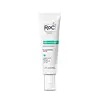 Key Ingredients
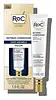
Benefits
Concerns
Ingredients Side-by-side
Homosalate 5.5%
Skin Conditioning

Ethylhexyl Salicylate 4.5%
UV Absorber
Octocrylene 4%
UV Absorber

Water
Skin ConditioningPentylene Glycol
Skin Conditioning
Dimethicone
Emollient

Octyldodecanol
Emollient
Caprylyl Methicone
Skin Conditioning
Propanediol
Solvent
Potassium Cetyl Phosphate
EmulsifyingAmmonium Acryloyldimethyltaurate/Vp Copolymer
Hyaluronic Acid
Humectant

1,2-Hexanediol
Skin Conditioning
Hydrolyzed Sodium Hyaluronate
Skin Conditioning
Biosaccharide Gum-4
Skin Conditioning
Jasminum Sambac Leaf Cell Extract
Masking
Glycerin
Humectant
Dibutyl Lauroyl Glutamide
Skin ConditioningCarbomer
Emulsion StabilisingAminomethyl Propanol
BufferingDibutyl Ethylhexanoyl Glutamide
Skin ConditioningCapryloyl Glycerin/Sebacic Acid Copolymer
Skin ConditioningCaprylhydroxamic Acid
Disodium EDTA
Parfum
Masking

Homosalate 5.5%, Ethylhexyl Salicylate 4.5%, Octocrylene 4%, Water, Pentylene Glycol, Dimethicone, Octyldodecanol, Caprylyl Methicone, Propanediol, Potassium Cetyl Phosphate, Ammonium Acryloyldimethyltaurate/Vp Copolymer, Hyaluronic Acid, 1,2-Hexanediol, Hydrolyzed Sodium Hyaluronate, Biosaccharide Gum-4, Jasminum Sambac Leaf Cell Extract, Glycerin, Dibutyl Lauroyl Glutamide, Carbomer, Aminomethyl Propanol, Dibutyl Ethylhexanoyl Glutamide, Capryloyl Glycerin/Sebacic Acid Copolymer, Caprylhydroxamic Acid, Disodium EDTA, Parfum
Water
Skin ConditioningPentaerythrityl Tetraethylhexanoate
Emollient
Glycerin
Humectant
PEG-8
HumectantPPG-15 Stearyl Ether
EmollientNylon-12

Butylene Glycol
Humectant
Stearyl Alcohol
Emollient
Cetearyl Alcohol
Emollient


Ethylhexyl Methoxycinnamate
UV Absorber
Dimethicone
Emollient
Cyclohexasiloxane
Emollient
Ceteareth-20
CleansingIsohexadecane
EmollientButyrospermum Parkii Butter
Skin Conditioning
Retinol
Skin Conditioning





Hydrolyzed Hyaluronic Acid
Humectant
Polyacrylamide
Phenoxyethanol
Preservative
Ammonium Acryloyldimethyltaurate/Vp Copolymer
Caprylyl Glycol
Emollient
Pentylene Glycol
Skin Conditioning
C13-14 Isoparaffin
Emollient
Tocopheryl Acetate
Antioxidant

Laureth-7
EmulsifyingDisodium EDTA
Allantoin
Skin Conditioning
Dihydroxy Methylchromone
Antioxidant
BHT
Antioxidant
Cyclopentasiloxane
Emollient
Hydroxyphenyl Propamidobenzoic Acid
Skin ConditioningAscorbic Acid
Antioxidant
Polysorbate 20
Emulsifying
Methylparaben
Preservative
Ethylparaben
Preservative
Propylparaben
Preservative
Parfum
Masking
Water, Pentaerythrityl Tetraethylhexanoate, Glycerin, PEG-8, PPG-15 Stearyl Ether, Nylon-12, Butylene Glycol, Stearyl Alcohol, Cetearyl Alcohol, Ethylhexyl Methoxycinnamate, Dimethicone, Cyclohexasiloxane, Ceteareth-20, Isohexadecane, Butyrospermum Parkii Butter, Retinol, Hydrolyzed Hyaluronic Acid, Polyacrylamide, Phenoxyethanol, Ammonium Acryloyldimethyltaurate/Vp Copolymer, Caprylyl Glycol, Pentylene Glycol, C13-14 Isoparaffin, Tocopheryl Acetate, Laureth-7, Disodium EDTA, Allantoin, Dihydroxy Methylchromone, BHT, Cyclopentasiloxane, Hydroxyphenyl Propamidobenzoic Acid, Ascorbic Acid, Polysorbate 20, Methylparaben, Ethylparaben, Propylparaben, Parfum
Ingredients Explained
These ingredients are found in both products.
Ingredients higher up in an ingredient list are typically present in a larger amount.
Ammonium Acryloyldimethyltaurate/Vp Copolymer is a synthetically created polymer. It's used as a film-forming agent and used to thicken the consistency of products.
Think of it as a supportive ingredient that helps your gel-creams feel silky, "cloud cream-like", and spread evenly without being greasy.
The Cosmetic Ingredient Review (CIR) Expert Panel evaluated it (along with 22 other acryloyldimethyltaurate polymers) and concluded it's:
Due to its large molecular size, it sits on the surface of skin rather than penetrating it.
Learn more about Ammonium Acryloyldimethyltaurate/Vp CopolymerDimethicone is a type of synthetic silicone created from natural materials such as quartz. It is also known as polydimethylsiloxane.
What it does:
Dimethicone comes in different viscosities:
Depending on the viscosity, dimethicone has different properties.
Ingredients lists don't always show which type is used, so we recommend reaching out to the brand if you have questions about the viscosity.
This ingredient is unlikely to cause irritation because it does not get absorbed into skin. However, people with silicone allergies should be careful about using this ingredient.
Note: Dimethicone may contribute to pilling. This is because it is not oil or water soluble, so pilling may occur when layered with products. When mixed with heavy oils in a formula, the outcome is also quite greasy.
Learn more about DimethiconeDisodium EDTA is a chelating agent. It grabs onto and deactivates metal ions that sneak into your products from water, packaging, or air.
This ingredient mainly works behind the scenes and helps with:
On top of that, this ingredient can counteract the effects of hard water by binding to the minerals in it.
One thing worth knowing is that Disodium EDTA has been shown to be a mild penetration enhancer. It can help other ingredients absorb into skin more effectively which can be a double-edged sword (great for actives, but can also make the active too strong if you have sensitive skin).
Clinical patch testing showed no significant skin irritation at typical use concentrations and minimal dermal absorption.
You'll most likely see this ingredient near the end of an ingredient list. It's typically found in concentrations less than 1%.
Learn more about Disodium EDTAGlycerin (or glycerol) is a compound naturally found in your skin. It's a powerhouse humectant that pulls water into the stratum corneum.
Topically, glycerin does several things at once:
Your skin makes glycerin on its own (mostly from sebaceous oil breakdown) and shuttles it to your outermost layer of skin, or your epidermis, via aquaporin-3.
Aquaporin-3 is a transporter that is essential for normal skin hydration, elasticity, and repair. Interestingly, mice lacking in AQP3 have dry and less elastic skin that can be fully corrected with glycerin.
This ingredient is non-irritating, plays well with almost every ingredient, and works across all skin types. Typical use is anywhere between 3-10% but can go up to 79% in some leave-on products.
Just know very high concentrations (>40%) can feel tacky in low humidity.
Glycerin is the name for this ingredient in American English. British English uses Glycerol/Glycerine.
Learn more about GlycerinParfum is a catch-all term for an ingredient or more that is used to give a scent to products.
Also called "fragrance", this ingredient can be a blend of hundreds of chemicals or plant oils. This means every product with "fragrance" or "parfum" in the ingredients list is a different mixture.
For instance, Habanolide is a proprietary trade name for a specific aroma chemical. When used as a fragrance ingredient in cosmetics, most aroma chemicals fall under the broad labeling category of “FRAGRANCE” or “PARFUM” according to EU and US regulations.
The term 'parfum' or 'fragrance' is not regulated in many countries. In many cases, it is up to the brand to define this term.
For instance, many brands choose to label themselves as "fragrance-free" because they are not using synthetic fragrances. However, their products may still contain ingredients such as essential oils that are considered a fragrance by INCI standards.
One example is Calendula flower extract. Calendula is an essential oil that still imparts a scent or 'fragrance'.
Depending on the blend, the ingredients in the mixture can cause allergies and sensitivities on the skin. Some ingredients that are known EU allergens include linalool and citronellol.
Parfum can also be used to mask or cover an unpleasant scent.
The bottom line is: not all fragrances/parfum/ingredients are created equally. If you are worried about fragrances, we recommend taking a closer look at an ingredient. And of course, we always recommend speaking with a professional.
Learn more about ParfumPentylene Glycol (1,2-pentanediol) is a multitasking little diol with three main roles in a formula:
Research on alkanediols (the family pentylene glycol belongs to) show they work by disrupting microbial cell membranes. This disruption helps the primary preservative system in a product work more effectively at lower doses.
On the safety side, the Cosmetic Ingredient Review Expert Panel has concluded this ingredient to be safe as used in current cosmetic practices + concentrations.
Typical use levels in a formula run about 1-5%.
Learn more about Pentylene GlycolWater. It's the most common cosmetic ingredient of all. You'll usually see it at the top of ingredient lists, meaning that it makes up the largest part of the product.
So why is it so popular? Water most often acts as a solvent - this means that it helps dissolve other ingredients into the formulation.
You'll also recognize water as that liquid we all need to stay alive. If you see this, drink a glass of water. Remember to stay hydrated!
Learn more about Water

