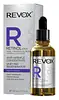
This anti-aging serum is formulated around Squalane and Retinyl Palmitate to soften the look of wrinkles and fade the look of dark spots.
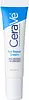
This barrier-repair eye moisturizer is formulated around Niacinamide and Ceramide NP to strengthen the skin barrier and hydrate skin.


What's inside
What's inside
 Key Ingredients
Benefits
Concerns
Ingredients Side-by-side





Water
Skin ConditioningNiacinamide
Smoothing











Cetyl Alcohol
Emollient



Caprylic/Capric Triglyceride
Masking
Glycerin
Humectant
Propanediol
Solvent
Isononyl Isononanoate
EmollientJojoba Esters
Emollient
PEG-20 Methyl Glucose Sesquistearate
Emulsifying
Cetearyl Alcohol
Emollient


Dimethicone
Emollient
Methyl Glucose Sesquistearate
Emollient
Asparagopsis Armata Extract
Skin ProtectingCeramide NP
Skin Conditioning
Ceramide AP
Skin Conditioning
Potassium Sorbate
Preservative
Ceramide EOP
Skin Conditioning
Sorbitol
Humectant
Carbomer
Emulsion StabilisingZinc Citrate
Behentrimonium Methosulfate
SurfactantTriethanolamine
BufferingAloe Barbadensis Leaf Extract
Emollient
Sodium Lauroyl Lactylate
EmulsifyingSodium Hydroxide
BufferingEquisetum Arvense Extract
AstringentSodium Hyaluronate
Humectant
Cholesterol
Emollient
Phenoxyethanol
Preservative
Prunus Amygdalus Dulcis Oil
Skin Conditioning
Tocopherol
Antioxidant

Ascophyllum Nodosum Extract
Skin ConditioningLaureth-4
Emulsifying
Hydrogenated Vegetable Oil
Emollient
Tetrasodium EDTA
Maltodextrin
Absorbent
Phytosphingosine
Skin Conditioning
Xanthan Gum
EmulsifyingButylene Glycol
Humectant
Ethylhexylglycerin
Skin ConditioningChrysanthellum Indicum Extract
Skin Conditioning
Water, Niacinamide, Cetyl Alcohol, Caprylic/Capric Triglyceride, Glycerin, Propanediol, Isononyl Isononanoate, Jojoba Esters, PEG-20 Methyl Glucose Sesquistearate, Cetearyl Alcohol, Dimethicone, Methyl Glucose Sesquistearate, Asparagopsis Armata Extract, Ceramide NP, Ceramide AP, Potassium Sorbate, Ceramide EOP, Sorbitol, Carbomer, Zinc Citrate, Behentrimonium Methosulfate, Triethanolamine, Aloe Barbadensis Leaf Extract, Sodium Lauroyl Lactylate, Sodium Hydroxide, Equisetum Arvense Extract, Sodium Hyaluronate, Cholesterol, Phenoxyethanol, Prunus Amygdalus Dulcis Oil, Tocopherol, Ascophyllum Nodosum Extract, Laureth-4, Hydrogenated Vegetable Oil, Tetrasodium EDTA, Maltodextrin, Phytosphingosine, Xanthan Gum, Butylene Glycol, Ethylhexylglycerin, Chrysanthellum Indicum Extract
Reviews
Ingredients Explained
These ingredients are found in both products.
Ingredients higher up in an ingredient list are typically present in a larger amount.
Caprylic/Capric Triglyceride (aka MCT Oil) is a lightweight emollient, solvent, and texture enhancer. It is considered a skin-softener by helping to prevent moisture loss.
Though it behaves like an oil, it is not technically one due to its chemical composition. One perk of this ingredient is that it is very stable, resistant to oxidation, and unlikely to go rancid.
In practice, that translates to a long shelf life and a consistently elegant skin feel.
While there is an assumption Caprylic Triglyceride can clog pores due to it being derived from coconut oil, there is no research supporting this. Just patch test if you have concerns.
Fractionated coconut oil and MCT Oil are both listed as Caprylic/Capric Triglyceride according to INCI. This is because INCI names are based on the ingredient’s final chemical composition and not its marketing name or source.
This ingredient is treated as the gold standard fungal acne safe oil. Even though it is coconut derived, the problematic lauric acid is stripped out.
This leaves just caprylic (C8) and capric (C10) acid. These chain lengths actually trend antifungal; a 2020 study found caprylic acid was enough to disrupt Malassezia furfur cell membrane, with a caprylic acid derivative damaging membrane structures at concentrations as low as 0.2%.
Learn more about Caprylic/Capric TriglycerideThis ingredient is also known as sweet almond oil. It is a lightweight, cold-pressed oil from the ripe seeds of the sweet almond tree.
Sweet almond oil is rich in skin-nourishing fatty acids such as oleic acid (55-86%) and linolenic acid (7-35%).
As an emollient, it softens and hydrates skin by forming a thin barrier that locks in moisture.
Clinical studies have found it to be non-irritating and non-sensitizing. The CIR Expert Panel has evaluated the available safety data and concluded it is safe for topical use.
Because of the oleic acid content, this ingredient may not be fungal acne safe.
Learn more about Prunus Amygdalus Dulcis Oil

