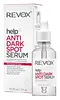
This brightening serum is formulated around Alpha-Arbutin and Niacinamide to fade the look of dark spots and brighten dull-looking skin.
This brightening serum is formulated around Tetrahexyldecyl Ascorbate and Tranexamic Acid to brighten dull-looking skin and fade the look of dark spots.


What's inside
What's inside
 Key Ingredients
Benefits
Concerns
Ingredients Side-by-side











Water
Skin ConditioningPropanediol
Solvent

C9-12 Alkane
SolventPrunus Cerasus Fruit Extract
Antioxidant
Tetrahexyldecyl Ascorbate
Antioxidant





Tranexamic Acid
Astringent


Sodium Polyacryloyldimethyl Taurate
Emulsion Stabilising3-O-Ethyl Ascorbic Acid
Skin Conditioning
Ascorbyl Glucoside
Antioxidant
Magnesium Ascorbyl Phosphate
Antioxidant
Sodium Ascorbyl Phosphate
Antioxidant
Tocopherol
Antioxidant
Tocopheryl Acetate
Antioxidant
Sodium Hyaluronate
Humectant
Ferulic Acid
Antimicrobial
Tremella Fuciformis Sporocarp Extract
Antioxidant
Pyrus Malus Fruit Extract
Skin Conditioning
Musa Sapientum Fruit Extract
Skin ConditioningPrunus Armeniaca Kernel Extract
Skin ConditioningPyrus Communis Fruit Extract
Skin ConditioningRubus Idaeus Fruit Extract
AstringentMelia Azadirachta Flower Extract
Skin ConditioningMelia Azadirachta Leaf Extract
Skin ConditioningCorallina Officinalis Extract
Skin Conditioning

Coccinia Indica Fruit Extract
Skin Conditioning
Polyglyceryl-10 Dioleate
Emulsifying

Glycerin
Humectant
Caprylic/Capric Triglyceride
Masking
Caprylyl Glycol
Emollient
Sodium Stearoyl Glutamate
CleansingCoco-Caprylate/Caprate
Emollient
Betaine
Humectant
Lecithin
Emollient
Polyglyceryl-10 Dipalmitate
Emollient
Sodium Citrate
BufferingSodium Phytate
Potassium Sorbate
Preservative
Decyl Glucoside
Cleansing
Lauryl Glucoside
CleansingEthylhexylglycerin
Skin ConditioningCitric Acid
Buffering
Xanthan Gum
EmulsifyingMethylparaben
Preservative

Phenoxyethanol
Preservative
Water, Propanediol, C9-12 Alkane, Prunus Cerasus Fruit Extract, Tetrahexyldecyl Ascorbate, Tranexamic Acid, Sodium Polyacryloyldimethyl Taurate, 3-O-Ethyl Ascorbic Acid, Ascorbyl Glucoside, Magnesium Ascorbyl Phosphate, Sodium Ascorbyl Phosphate, Tocopherol, Tocopheryl Acetate, Sodium Hyaluronate, Ferulic Acid, Tremella Fuciformis Sporocarp Extract, Pyrus Malus Fruit Extract, Musa Sapientum Fruit Extract, Prunus Armeniaca Kernel Extract, Pyrus Communis Fruit Extract, Rubus Idaeus Fruit Extract, Melia Azadirachta Flower Extract, Melia Azadirachta Leaf Extract, Corallina Officinalis Extract, Coccinia Indica Fruit Extract, Polyglyceryl-10 Dioleate, Glycerin, Caprylic/Capric Triglyceride, Caprylyl Glycol, Sodium Stearoyl Glutamate, Coco-Caprylate/Caprate, Betaine, Lecithin, Polyglyceryl-10 Dipalmitate, Sodium Citrate, Sodium Phytate, Potassium Sorbate, Decyl Glucoside, Lauryl Glucoside, Ethylhexylglycerin, Citric Acid, Xanthan Gum, Methylparaben, Phenoxyethanol
Reviews
Ingredients Explained
These ingredients are found in both products.
Ingredients higher up in an ingredient list are typically present in a larger amount.
Citric Acid is an alpha hydroxy acid (AHA) naturally found in citrus fruits like oranges, lemons, and limes.
Like other AHAs, citric acid can exfoliate skin by breaking down the bonds that hold dead skin cells together. This helps reveal smoother and brighter skin underneath.
However, this exfoliating effect only happens at high concentrations (20%) which can be hard to find in cosmetic products.
Due to this, citric acid is usually included in small amounts as a pH adjuster. This helps keep products slightly more acidic and compatible with skin's natural pH.
In skincare formulas, citric acid can:
While it can provide some skin benefits, research shows lactic acid and glycolic acid are generally more effective and less irritating exfoliants.
Most citric acid used in skincare today is made by fermenting sugars (usually from molasses). This synthetic version is identical to the natural citrus form but easier to stabilize and use in formulations.
Rosacea skin has a lower threshold for acids generally, with 62.5% of rosacea subjects in one study reacting to lactic acid in a sting test. This is why we mark citric acid as a potential rosacea trigger.
However, this ingredient shows up as a pH adjuster or chelator at roughly 0.1-1% in many products. These low levels are unlikely to be an issue for rosacea skin and becomes a potential trigger at exfoliating concentrations (20%). Because everybody's skin is unique, we recommend a patch test if you are unsure.
Learn more about Citric AcidFerulic Acid is a plant based antioxidant that can be naturally found in the cell walls of grains like rice, oats, and corn. It has antioxidant and antimicrobial properties, and has the ability to boost the performance of other antioxidants as well.
A well-known study found that adding Ferulic Acid to a solution of Vitamins C and E doubled the photoprotection of skin. This is why you'll often see it paired with Vitamin C or Vitamin E serums rather than sold on its own.
A 2025 review of 18 human studies found that using Ferulic Acid (0.5-1%) daily for one to three months showed improvements in:
As far as allergies go, Ferulic acid is generally well-tolerated but can cause an allergic reaction in very rare cases. It's also worth noting that Ferulic acid is often extracted from plant sources like rice bran or wheat bran, so be sure to path test if you have known grain allergies.
Outside of skincare, researchers are also looking into Ferulic Acid for its potential benefits in areas like diabetes, Alzheimer's, and heart health.
Learn more about Ferulic AcidPhenoxyethanol is one of the most widely used preservatives in skincare (and for good reason!).
It has a large spectrum of antimicrobial activity and especially effective bacteria, yeast, and mold while only having a weak effect on your skin's natural microbiome.
On a cellular level, it disrupts the cell membranes of microbes by poking holes that make the cell leak. This shuts down the chemical reactions the microbe needs to make energy so it can no longer survive.
Another perk of this ingredient is that it stays functional across a wide pH range (3-10).
You'll often see it paired with boosters like Ethylhexylglycerin; one study showed that a 1:9 ratio of Ethylhexylglycerin to Phenoxyethanol damages bacterial membranes as effectively as doubling the Phenoxyethanol concentration on its own.
Typical use concentrations range from 0.3-1% depending on the formula, and this ingredient is capped at 1% int the EU.
Safety-wise, the fear mongering does not hold up to the evidence. The EU's Scientific Committee on Consumer Safety and FDA consider it safe as a preservative at up to 1%, including for children of all ages.
Adverse systemic effects only showed up in animal studies at exposures roughly 200x higher than what people get from cosmetics. And despite its very widespread use, this ingredient is a rare sensitizer and allergic reactions are uncommon.
Learn more about PhenoxyethanolSodium Ascorbyl Phosphate (SAP) is a water-soluble form of Vitamin C. It is the salt of ascorbic acid.
This ingredient is commonly used in skincare because it's more formulation-stable while still offering the same benefits as pure ascorbic acid. Ascorbic acid is notorious for breaking down when exposed to sunlight and oxygen whereas SAP has been shown to be more stable.
Studies show SAP has anti-acne and antioxidant benefits. One study found 5% of SAP lotion to be an effective ingredient for treating acne vulgaris. This is because research shows that SAP may help control acne by reducing acne-causing bacteria and slowing the oxidation of skin oils caused by UV exposure.
In addition to acne, vitamin C is important for skin structure. Lab studies suggest SAP may support collagen production in skin cells, making it a great ingredient in anti-aging routines.
Vitamin C has many benefits: it helps reduce redness, improve skin texture, fade the appearance of dark spots, and brighten the skin.
Read more about other types of Vitamin C:
Learn more about Sodium Ascorbyl PhosphateWater. It's the most common cosmetic ingredient of all. You'll usually see it at the top of ingredient lists, meaning that it makes up the largest part of the product.
So why is it so popular? Water most often acts as a solvent - this means that it helps dissolve other ingredients into the formulation.
You'll also recognize water as that liquid we all need to stay alive. If you see this, drink a glass of water. Remember to stay hydrated!
Learn more about Water

