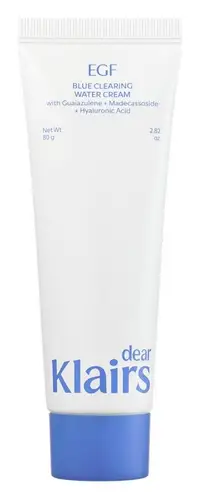
This anti-aging serum is formulated around Alpha-Arbutin and Palmitoyl Tripeptide-5 to soften the look of wrinkles and fade the look of dark spots.
This anti-aging serum is formulated around Sh-Oligopeptide-1 to soften the look of wrinkles.

What's inside
What's inside
 Key Ingredients
Benefits
Concerns
No concerns
Ingredients Side-by-side
Water
Skin ConditioningPentylene Glycol
Skin Conditioning
Hamamelis Virginiana Extract
Antiseborrhoeic



Glycerin
Humectant

Dimethyl Sulfone
SolventHuman Umbilical Mesenchymal Stem Cell Exosomes
Alpha-Arbutin
Antioxidant



Palmitoyl Tripeptide-5
Skin Conditioning


Ergothioneine
Antioxidant

Dipalmitoyl Hydroxyproline
Skin Conditioning
Ubiquinone
Antioxidant
Saccharomyces Ferment Lysate Filtrate
Skin Conditioning
Tetrahexyldecyl Ascorbate
Antioxidant

Sh-Oligopeptide-1
Skin Conditioning
Rh-Polypeptide-3
Skin Conditioning
Sh-Polypeptide-9
Skin Conditioning
Sh-Polypeptide-1
Skin Conditioning
Sh-Polypeptide-11
Human Urine Derived Stem Cell Conditioned Media
EmollientGlycereth-7 Triacetate
EmollientEthoxydiglycol
HumectantLactococcus Ferment Lysate
Skin Conditioning
Chlorella Vulgaris Extract
Skin ConditioningSaccharide Isomerate
Humectant
Tripeptide-2
Skin Conditioning
Dimer Tripeptide-43
Vitis Vinifera Flower Cell Extract
MaskingPyrus Malus Fruit Extract
Skin Conditioning
Hydroxyacetophenone
Antioxidant
Tocopheryl Acetate
Antioxidant
Propanediol
Solvent
Xanthan Gum
EmulsifyingLecithin
Emollient
Pullulan
Butylene Glycol
Humectant
Sodium Citrate
BufferingPolysorbate 20
Emulsifying
Tetradecyl Aminobutyroylvalylaminobutyric Urea Trifluoroacetate
Skin ConditioningPalmitoyl Dipeptide-5 Diaminobutyroyl Hydroxythreonine
Skin Conditioning
Palmitoyl Tripeptide-1
Skin Conditioning
Palmitoyl Tetrapeptide-7
Skin Conditioning
Acetyl Hexapeptide-51 Amide
Skin Conditioning
Nannochloropsis Oculata Extract
HumectantCentella Asiatica Extract
Cleansing
Chondrus Crispus Extract
Skin Conditioning
Equisetum Arvense Extract
AstringentGeranium Maculatum Extract
TonicTaraxacum Officinale Root Extract
Skin ConditioningAchillea Millefolium Flower Extract
Antioxidant
Curcuma Longa Rhizome Extract
Skin ConditioningSpirulina Platensis Extract
Skin ProtectingAloe Barbadensis Leaf Juice
Skin Conditioning
Cassia Angustifolia Seed Polysaccharide
Skin ConditioningSimmondsia Chinensis Seed Oil
Emollient
Arginine
Masking
Aspartic Acid
Masking
Glycine
Buffering
Alanine
Masking
Serine
Masking
Valine
MaskingIsoleucine
Skin ConditioningProline
Skin Conditioning
Threonine
Histidine
Humectant
Phenylalanine
Masking
PCA
Humectant
Sodium PCA
Humectant
Sodium Lactate
Buffering
Sodium Chloride
MaskingCarbomer
Emulsion StabilisingAlcohol
Antimicrobial
Hydroxyethylcellulose
Emulsion StabilisingAcrylates/C10-30 Alkyl Acrylate Crosspolymer
Emulsion StabilisingSodium Hydroxide
BufferingPotassium Sorbate
Preservative
Sodium Benzoate
Masking
Dextran
Disodium EDTA
Phenoxyethanol
Preservative
Ethylhexylglycerin
Skin ConditioningWater, Pentylene Glycol, Hamamelis Virginiana Extract, Glycerin, Dimethyl Sulfone, Human Umbilical Mesenchymal Stem Cell Exosomes, Alpha-Arbutin, Palmitoyl Tripeptide-5, Ergothioneine, Dipalmitoyl Hydroxyproline, Ubiquinone, Saccharomyces Ferment Lysate Filtrate, Tetrahexyldecyl Ascorbate, Sh-Oligopeptide-1, Rh-Polypeptide-3, Sh-Polypeptide-9, Sh-Polypeptide-1, Sh-Polypeptide-11, Human Urine Derived Stem Cell Conditioned Media, Glycereth-7 Triacetate, Ethoxydiglycol, Lactococcus Ferment Lysate, Chlorella Vulgaris Extract, Saccharide Isomerate, Tripeptide-2, Dimer Tripeptide-43, Vitis Vinifera Flower Cell Extract, Pyrus Malus Fruit Extract, Hydroxyacetophenone, Tocopheryl Acetate, Propanediol, Xanthan Gum, Lecithin, Pullulan, Butylene Glycol, Sodium Citrate, Polysorbate 20, Tetradecyl Aminobutyroylvalylaminobutyric Urea Trifluoroacetate, Palmitoyl Dipeptide-5 Diaminobutyroyl Hydroxythreonine, Palmitoyl Tripeptide-1, Palmitoyl Tetrapeptide-7, Acetyl Hexapeptide-51 Amide, Nannochloropsis Oculata Extract, Centella Asiatica Extract, Chondrus Crispus Extract, Equisetum Arvense Extract, Geranium Maculatum Extract, Taraxacum Officinale Root Extract, Achillea Millefolium Flower Extract, Curcuma Longa Rhizome Extract, Spirulina Platensis Extract, Aloe Barbadensis Leaf Juice, Cassia Angustifolia Seed Polysaccharide, Simmondsia Chinensis Seed Oil, Arginine, Aspartic Acid, Glycine, Alanine, Serine, Valine, Isoleucine, Proline, Threonine, Histidine, Phenylalanine, PCA, Sodium PCA, Sodium Lactate, Sodium Chloride, Carbomer, Alcohol, Hydroxyethylcellulose, Acrylates/C10-30 Alkyl Acrylate Crosspolymer, Sodium Hydroxide, Potassium Sorbate, Sodium Benzoate, Dextran, Disodium EDTA, Phenoxyethanol, Ethylhexylglycerin


Ingredients Explained
These ingredients are found in both products.
Ingredients higher up in an ingredient list are typically present in a larger amount.
Glycerin (or glycerol) is a compound naturally found in your skin. It's a powerhouse humectant that pulls water into the stratum corneum.
Topically, glycerin does several things at once:
Your skin makes glycerin on its own (mostly from sebaceous oil breakdown) and shuttles it to your outermost layer of skin, or your epidermis, via aquaporin-3.
Aquaporin-3 is a transporter that is essential for normal skin hydration, elasticity, and repair. Interestingly, mice lacking in AQP3 have dry and less elastic skin that can be fully corrected with glycerin.
This ingredient is non-irritating, plays well with almost every ingredient, and works across all skin types. Typical use is anywhere between 3-10% but can go up to 79% in some leave-on products.
Just know very high concentrations (>40%) can feel tacky in low humidity.
Glycerin is the name for this ingredient in American English. British English uses Glycerol/Glycerine.
Learn more about GlycerinPhenoxyethanol is one of the most widely used preservatives in skincare (and for good reason!).
It has a large spectrum of antimicrobial activity and especially effective bacteria, yeast, and mold while only having a weak effect on your skin's natural microbiome.
On a cellular level, it disrupts the cell membranes of microbes by poking holes that make the cell leak. This shuts down the chemical reactions the microbe needs to make energy so it can no longer survive.
Another perk of this ingredient is that it stays functional across a wide pH range (3-10).
You'll often see it paired with boosters like Ethylhexylglycerin; one study showed that a 1:9 ratio of Ethylhexylglycerin to Phenoxyethanol damages bacterial membranes as effectively as doubling the Phenoxyethanol concentration on its own.
Typical use concentrations range from 0.3-1% depending on the formula, and this ingredient is capped at 1% int the EU.
Safety-wise, the fear mongering does not hold up to the evidence. The EU's Scientific Committee on Consumer Safety and FDA consider it safe as a preservative at up to 1%, including for children of all ages.
Adverse systemic effects only showed up in animal studies at exposures roughly 200x higher than what people get from cosmetics. And despite its very widespread use, this ingredient is a rare sensitizer and allergic reactions are uncommon.
Learn more about Phenoxyethanolsh-Oligopeptide-1 is a peptide found naturally in our bodies. Peptides are the building blocks for collagen and elastin in our skin.
In cosmetics, this ingredient is bioengineered to be identical to a human gene that codes for epidermal growth factor (EGF). EGF are signal molecules that simulate cell growth and healing.
Studies find EGF help with:
In South Korea and China, EGF is considered a controversial ingredient. The South Korean Ministry of Food and Drug Safety has cracked down on companies with products including EGF due to false advertisement claims.
According to Dr. Zoe Draelos, growth factors have some drawbacks:
There is also controversy surrounding growth factors. The controversy is due to their mitogenic activity, or their ability to increase the number of cells. It is best to avoid using growth factors if you have psoriasis or are at risk of skin cancer. However, it should be noted EGF are not mutagenic - meaning they will not cause cancer.
Learn more about Sh-Oligopeptide-1Sodium PCA (the salt of PCA) is one of the most well-established humectants in skincare.
Why is it so special? Your skin already makes it naturally; it's a natural component of your skin's Natural Moisturizing Factor (NMF), or the mix of water-binding compounds inside your skin cells that keeps things soft and hydrated.
As a cosmetic ingredient, it grabs water and holds it in the upper layers of skin to smooth roughness and ease dehydration.
There's some clinical support for the NMF approach with a study showing that a cream built to mimic the skin's NMF significantly boosted hydration.
Safety-wise, this ingredient non-irritating, non-comedogenic, and non-phototoxic in testing, with minimal skin absorption.
It also works really well with other hydrators like glycerin or hyaluronic acid, and typical usage is somewhere between 0.2-4%.
Learn more about Sodium PCAWater. It's the most common cosmetic ingredient of all. You'll usually see it at the top of ingredient lists, meaning that it makes up the largest part of the product.
So why is it so popular? Water most often acts as a solvent - this means that it helps dissolve other ingredients into the formulation.
You'll also recognize water as that liquid we all need to stay alive. If you see this, drink a glass of water. Remember to stay hydrated!
Learn more about Water