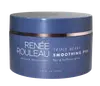
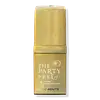
Renee Rouleau Skin Care Triple Berry Smoothing Peel Versus The Route Beauty The Party Peel - At-Home Chemical Peel
This smoothing exfoliator is formulated around Glycolic Acid and Lactic Acid to refine skin texture and brighten dull-looking skin.
This smoothing exfoliator is formulated around Phytic Acid and Malic Acid to refine skin texture and brighten dull-looking skin.

What's inside
What's inside
 Key Ingredients
Benefits
Concerns
Ingredients Side-by-side
Citrus Aurantium Dulcis Fruit Extract
MaskingRubus Idaeus Fruit
AstringentWater
Skin ConditioningGlycerin
Humectant


Propanediol
Solvent
Citric Acid
Buffering


Fragaria Vesca Fruit
AstringentVaccinium Corymbosum Fruit
Skin ConditioningCaprylic/Capric Triglyceride
Masking
Polysorbate 20
Emulsifying
Sclerotium Gum
Emulsion StabilisingPotassium Azeloyl Diglycinate
Skin Conditioning




Bisabolol
Antioxidant
Lactobacillus/Punica Granatum Fruit Ferment Extract
Antioxidant
Lonicera Japonica Flower Extract
Skin ConditioningSodium Polyacrylate Starch
Absorbent1,2-Hexanediol
Skin Conditioning
Xanthan Gum
EmulsifyingGlycolic Acid
Buffering





Lactic Acid
Buffering
Caprylyl Glycol
Emollient
Butylene Glycol
Humectant
Gluconolactone
Chelating
Lonicera Caprifolium Flower Extract
Perfuming
Malic Acid
Buffering
Tartaric Acid
Buffering
Mandelic Acid
Antimicrobial
Allantoin
Skin Conditioning
Sodium Gluconate
ChelatingAcrylamide/Sodium Acryloyldimethyltaurate Copolymer
Emulsion StabilisingPhytic Acid
Chelating
Parfum
Masking
Isohexadecane
EmollientGlyceryl Polyacrylate
Eclipta Prostrata Extract
Skin Conditioning
Polysorbate 80
Emulsifying
Citrus Sinensis Fruit Extract
Antioxidant
Citrus Nobilis Oil
Masking
Prunus Serotina Bark Extract
MaskingVaccinium Angustifolium Fruit Extract
Skin Protecting
Melia Azadirachta Leaf Extract
Skin ConditioningTropolone
Skin ConditioningDimethylmethoxy Chromanol
Antioxidant
Moringa Oleifera Seed Extract
Skin Conditioning
Citrus Paradisi Peel Oil
Masking

Mirabilis Jalapa Flower/Leaf/Stem Extract
Skin ConditioningSodium Hydroxide
BufferingCitrus Aurantium Dulcis Fruit Extract, Rubus Idaeus Fruit, Water, Glycerin, Propanediol, Citric Acid, Fragaria Vesca Fruit, Vaccinium Corymbosum Fruit, Caprylic/Capric Triglyceride, Polysorbate 20, Sclerotium Gum, Potassium Azeloyl Diglycinate, Bisabolol, Lactobacillus/Punica Granatum Fruit Ferment Extract, Lonicera Japonica Flower Extract, Sodium Polyacrylate Starch, 1,2-Hexanediol, Xanthan Gum, Glycolic Acid, Lactic Acid, Caprylyl Glycol, Butylene Glycol, Gluconolactone, Lonicera Caprifolium Flower Extract, Malic Acid, Tartaric Acid, Mandelic Acid, Allantoin, Sodium Gluconate, Acrylamide/Sodium Acryloyldimethyltaurate Copolymer, Phytic Acid, Parfum, Isohexadecane, Glyceryl Polyacrylate, Eclipta Prostrata Extract, Polysorbate 80, Citrus Sinensis Fruit Extract, Citrus Nobilis Oil, Prunus Serotina Bark Extract, Vaccinium Angustifolium Fruit Extract, Melia Azadirachta Leaf Extract, Tropolone, Dimethylmethoxy Chromanol, Moringa Oleifera Seed Extract, Citrus Paradisi Peel Oil, Mirabilis Jalapa Flower/Leaf/Stem Extract, Sodium Hydroxide
Water
Skin ConditioningMethyl Perfluorobutyl Ether
SolventIsododecane
EmollientCocamidopropyl Betaine
Cleansing
Synthetic Fluorphlogopite
Polyacrylate-13
CI 77891
Cosmetic ColorantButylene Glycol
Humectant
Polysilicone-11

Succinic Acid
BufferingPhytic Acid
Chelating
Malic Acid
Buffering
Mandelic Acid
Antimicrobial
Vitis Vinifera Fruit Extract
Skin ConditioningDecyl Glucoside
Cleansing
Polyacrylate Crosspolymer-6
Emulsion StabilisingGlycerin
Humectant
Polysorbate 20
Emulsifying
Ethylhexylglycerin
Skin ConditioningSorbitan Isostearate
Emulsifying
Sodium Glycolate
BufferingHexylene Glycol
EmulsifyingCaprylyl Glycol
Emollient
Polyisobutene
Phenoxyethanol
Preservative
Sodium Chloride
MaskingSodium Hydroxide
BufferingTin Oxide
Abrasive
CI 77491
Cosmetic ColorantWater, Methyl Perfluorobutyl Ether, Isododecane, Cocamidopropyl Betaine, Synthetic Fluorphlogopite, Polyacrylate-13, CI 77891, Butylene Glycol, Polysilicone-11, Succinic Acid, Phytic Acid, Malic Acid, Mandelic Acid, Vitis Vinifera Fruit Extract, Decyl Glucoside, Polyacrylate Crosspolymer-6, Glycerin, Polysorbate 20, Ethylhexylglycerin, Sorbitan Isostearate, Sodium Glycolate, Hexylene Glycol, Caprylyl Glycol, Polyisobutene, Phenoxyethanol, Sodium Chloride, Sodium Hydroxide, Tin Oxide, CI 77491
Reviews
Ingredients Explained
These ingredients are found in both products.
Ingredients higher up in an ingredient list are typically present in a larger amount.
Butylene Glycol (or BG) is used within cosmetic products for a few different reasons:
Overall, Butylene Glycol is a safe and well-rounded ingredient that works well with other ingredients.
Though this ingredient works well with most skin types, some people with sensitive skin may experience a reaction such as allergic rashes, closed comedones, or itchiness.
Learn more about Butylene GlycolCaprylyl Glycol is a humectant, skin conditioner, emollient, and preservative booster derived from either caprylic acid or synthetically created.
Typical use levels vary from 0.3-1% as a preservative booster and go up to 2% to condition skin.
Because it is not a free-fatty acid, this ingredient is fungal acne safe (there's nothing for Malassezia to feed on).
Learn more about Caprylyl GlycolGlycerin (or glycerol) is a compound naturally found in your skin. It's a powerhouse humectant that pulls water into the stratum corneum.
Topically, glycerin does several things at once:
Your skin makes glycerin on its own (mostly from sebaceous oil breakdown) and shuttles it to your outermost layer of skin, or your epidermis, via aquaporin-3.
Aquaporin-3 is a transporter that is essential for normal skin hydration, elasticity, and repair. Interestingly, mice lacking in AQP3 have dry and less elastic skin that can be fully corrected with glycerin.
This ingredient is non-irritating, plays well with almost every ingredient, and works across all skin types. Typical use is anywhere between 3-10% but can go up to 79% in some leave-on products.
Just know very high concentrations (>40%) can feel tacky in low humidity.
Glycerin is the name for this ingredient in American English. British English uses Glycerol/Glycerine.
Learn more about GlycerinMalic Acid is an acid with both AHA and BHA properties, but is considered an AHA because its AHA properties are stronger.
It can be naturally found in unripe fruit and especially apples (its name from the latin word "malum", meaning apple!).
Like other AHAs, malic acid gently removes the top layer of dead skin cells to reveal smoother, brighter skin underneath.
Though it’s considered milder and less potent than glycolic or lactic acid, it can help improve:
Due to its larger molecular structure, it penetrates the skin more slowly and is often used in combination with other AHAs to enhance their overall effectiveness.
Malic acid often plays a role in balancing a product’s pH and is usually included in small amounts (around 1-2%) as a supporting exfoliant.
As with all exfoliating acids, you should wear sunscreen daily when using malic acid to protect your newly resurfaced skin.
Fun fact: Malic acid is the compound responsible for the tart flavor of apples and other sour fruits.
While research on malic acid is limited compared to glycolic or lactic acid, it’s still a safe and mild exfoliant.
Read more about some other popular AHA's here:
Learn more about Malic AcidMandelic Acid is an alpha hydroxy acid (AHA).
Like other AHAs, it helps exfoliate the surface of the skin by breaking down the bonds that hold dead skin cells together. This helps reveal smoother and brighter skin underneath.
Mandelic acid helps with:
Due to it having a larger molecular size than glycolic acid, mandelic acid is able to penetrate the skin more slowly and evenly. This makes it gentler and less irritating, making it a great option for sensitive or beginner skin.
Despite being milder, mandelic acid is still an effective exfoliant that improves skin texture and tone over time.
What makes mandelic acid stand out from other AHAs? It has antibacterial and antioxidant properties.
These traits make it a great option for acne-prone or problem skin by reducing active breakouts and fading post-acne marks. Studies show that mandelic acid (especially when combined with salicylic acid) can significantly reduce pimples and hyperpigmentation while causing fewer side effects than stronger acids.
Mandelic acid is effective in concentrations of 5% and up with an ideal pH range of 3-4 for at-home use.
Like other AHAs, it’s important to wear sunscreen daily to protect your newly exfoliated skin.
However, unlike glycolic acid, mandelic acid is light-sensitive. Be sure your mandelic acid is packaged in opaque containers to ensure it stays stable and effective.
In short, mandelic acid is a gentle yet powerful AHA that exfoliates, brightens, and helps clarify skin while keeping irritation low. Its antibacterial action makes it especially beneficial for those with acne-prone, sensitive, or uneven skin, offering smoother, clearer, and more even-toned results over time.
Read more about some other popular AHA's here:
Learn more about Mandelic AcidPhytic Acid is a gentle AHA and antioxidant. AHAs are chemical exfoliants that help remove dead skin cells. Phytic Acid has a slight and mild exfoliating effect.
The chemical makeup makes it classified as an AHA, much like lactic acid.
In some cases, it is a chelating agent. Chelating agents help prevent metals from binding to water, helping to stabilize the ingredients in a product.
An interesting fact about phytic acid is that it is considered an antinutrient. People do not have the enzyme needed to properly breakdown and digest phytic acid. When ingested, phytic acid binds to minerals and prevents them from being absorbed.
Read more about some other popular AHA's here:
Learn more about Phytic AcidPolysorbate 20 is a gentle, water-soluble emulsifier and mild surfactant. It stops oil and water from separating to keep your formulas blended and stable.
It also acts as a mild penetration enhancer by helping active ingredients absorb slightly better.
The common safety discussion around this ingredient involves a manufacturing byproduct called 1,4-dioxane.
Trace amounts can form during production but the EU's Scientific Committee on Consumer Safety has concluded that levels at/below 10 ppm in finished products are safe (commercial products consistently fall within acceptable margins).
True allergic reactions are uncommon and the CIR Expert Panel has confirmed this ingredient to be safe as used in cosmetics.
Because it is derived from lauric acid, it may not be fungal acne safe.
Learn more about Polysorbate 20Sodium Hydroxide is also known as lye or caustic soda. It is used to adjust the pH of products; many ingredients require a specific pH to be effective.
In small amounts, sodium hydroxide is considered safe to use. However, large amounts may cause chemical burns due to its high alkaline.
Your skin has a natural pH and acid mantle. This acid mantle helps prevent harmful bacteria from breaking through. The acid mantle also helps keep your skin hydrated.
"Alkaline" refers to a high pH level. A low pH level would be considered acidic.
Learn more about Sodium HydroxideWater. It's the most common cosmetic ingredient of all. You'll usually see it at the top of ingredient lists, meaning that it makes up the largest part of the product.
So why is it so popular? Water most often acts as a solvent - this means that it helps dissolve other ingredients into the formulation.
You'll also recognize water as that liquid we all need to stay alive. If you see this, drink a glass of water. Remember to stay hydrated!
Learn more about Water

